

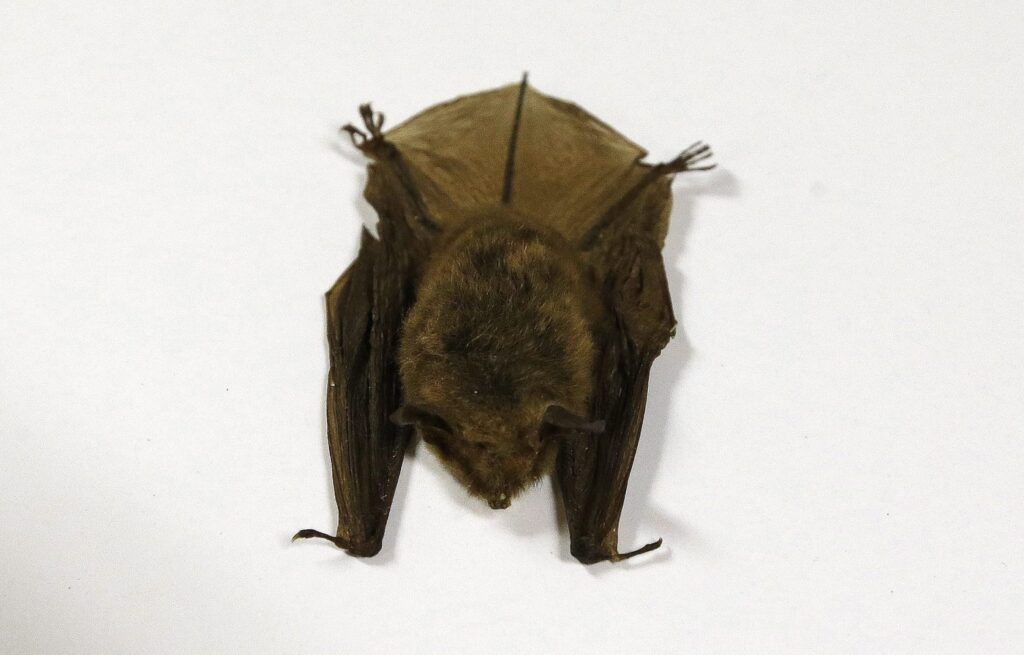
TORONTO – Medical experts are urging individuals to seek immediate medical attention if they have any contact with bats to mitigate the risk of rabies infection. A recent case highlighted in the Canadian Medical Association Journal underscores the fatal consequences of rabies and the importance of timely intervention.
In the case report authored by Dr. Brian Hummel, a pediatric infectious disease physician at McMaster Children’s Hospital in Hamilton, the tragic story of an 11-year-old boy who died from rabies nearly two years ago was detailed. The incident took place during the summer of 2024 at a cottage in northern Ontario, where the boy awoke to find a bat on his face. After swatting it away, his father captured the bat and released it outside.
The boy’s parents did not observe any bites or scratches on him and noticed no unusual behavior from the bat, leading them to believe that rabies was not a concern. However, almost three weeks later, the boy began experiencing tingling, numbness, and swelling on the right side of his face. Initially, a healthcare provider at an urgent care clinic suspected Bell's palsy and prescribed antiviral medication. Unfortunately, his condition worsened, leading to symptoms such as vomiting and difficulty swallowing, and he was ultimately admitted to McMaster Children’s Hospital.
During his hospital stay, the child's neurological state deteriorated rapidly, and five days later, he was taken off life support, passing away peacefully with his family by his side. Dr. Hummel emphasized that once rabies symptoms appear, the disease is almost universally fatal. However, rabies has a relatively long incubation period, usually spanning several weeks, which allows for preventive measures if exposure is identified early.
Post-exposure prophylaxis, which includes a series of rabies vaccinations and the administration of antibodies, can effectively prevent the onset of the disease if administered soon after exposure. Hummel noted, "If you get symptomatic rabies infection, it is near universally fatal. But if you get the prevention before symptoms develop, it is near universally successful."
The rabies virus travels along nerves from the site of entry, ultimately affecting the spinal cord and brain, leading to death. Despite being extraordinarily rare in Canada, with only 28 reported cases since 1924, the majority of rabies cases involve contact with bats, with some also stemming from skunks, raccoons, and foxes. As such, any physical contact with bats should be considered high-risk, regardless of visible injuries.
Bats possess tiny teeth, making it possible to sustain a bite without realizing it. Furthermore, bat saliva can contact skin and enter the body through cuts or mucous membranes. Dr. Hummel stressed the importance of consulting a healthcare provider immediately after any occurrence of contact with bats.
Healthcare professionals collaborate with public health authorities to evaluate the need for post-exposure prophylaxis. The rabies vaccination regimen begins with an initial shot followed by additional doses on days three, seven, and fourteen. This vaccination stimulates the immune response against rabies, whereas an injection of immunoglobulin provides immediate defense against the virus.
While side effects from the vaccine are generally mild and temporary—such as flu-like symptoms—there exists a marginal risk of anaphylaxis. Older rabies vaccines had a very rare association with Guillain-Barré syndrome, but this link has not been established with modern rabies vaccines. Dr. Hummel concluded by highlighting the critical nature of rabies prevention, noting that the benefits of vaccination typically far exceed the associated risks.
This case serves as a stark reminder of the potential dangers of rabies and the necessity for awareness regarding bat interactions. Prompt medical attention following any exposure remains vital.








