

The Associated Press (AP) conducted a comprehensive investigation into the operations of scam centers in Myanmar, utilizing materials such as leaked scam center files, videos, and photographs. This investigation was further supported by an analysis from C4ADS regarding the misuse of artificial intelligence at these fraud centers. In total, the AP examined over 200,000 device connections from four scam compounds in Myanmar, which are linked to entities that have been sanctioned by the U.S. government. Interviews with 58 scam victims and insights from three dozen current and former scammers across 19 countries bolstered the credibility of the findings.
The dataset analyzed encompassed a total of 202,013 connections traced back to four identified scam compounds: Tai Chang, Deko Park, KK Park, and a new compound near Hpakalu. The International Justice Mission, a non-profit organization focused on anti-trafficking efforts, acquired commercially available ad tech data that spans several time intervals from February 2025 to January 2026, which was later shared with the AP.
This data collection logged essential information such as geographic coordinates and IP addresses for each device connected to the scam compounds. The AP employed a database from Scamalytics, a firm specializing in fraud prevention, to determine which Internet Service Providers (ISPs) were associated with the identified IP addresses. In cases of conflicting results, the analysis prioritized findings from Scamalytics. This methodology allowed the AP to identify the origins of internet traffic and trace the companies monetizing these fraudulent activities.
The dataset also incorporated risk indicators provided by Scamalytics, including known blacklists from sources like Firehol, IP2ProxyLite, IPSum, Spamhaus, and X4Bnet Spambot. These indicators served to assess potential risks rather than definitively prove fraud. However, it is crucial to note that this dataset only captures devices with geolocation capabilities; the actual infrastructure supporting these fraud operations is much larger than what was documented.
According to a cybersecurity review by Spur Intelligence Corporation, instances of ad fraud were identified within the dataset, prompting the AP to remove confirmed fraudulent devices. Nevertheless, additional undetected fraudulent instances may still exist within the data.
Telecommunications companies and ISPs provide crucial services to scammers, including internet connectivity, hosting fraudulent platforms, utilizing VPNs or proxy networks to obscure actual locations, and transiting internet traffic. While the data may suggest certain patterns of usage, definitive conclusions cannot be drawn solely from commercially available sources.
The four identified compounds—KK Park, Tai Chang, Deko Park, and the new site in Hpakalu—are located in regions under the control of militant groups. KK Park operates under the protection of the Karen Border Guard Force, also referred to as the Karen National Army (KNA), a militia composed of ethnic Karen individuals. The U.S. government has labeled the KNA as a transnational criminal organization due to its involvement in facilitating scams targeting U.S. citizens and human trafficking. Following a demolition campaign against KK Park in October 2025 by the Myanmar military government, diversions to other compounds, such as Hpakalu, were observed.
Deko Park and Tai Chang are situated in areas controlled by the Democratic Karen Benevolent Army (DKBA), which has also faced U.S. sanctions for its role in supporting cyberscam operations, particularly at Tai Chang. Reports of torture and abuse of rescued trafficking victims by DKBA soldiers in these areas have also emerged.
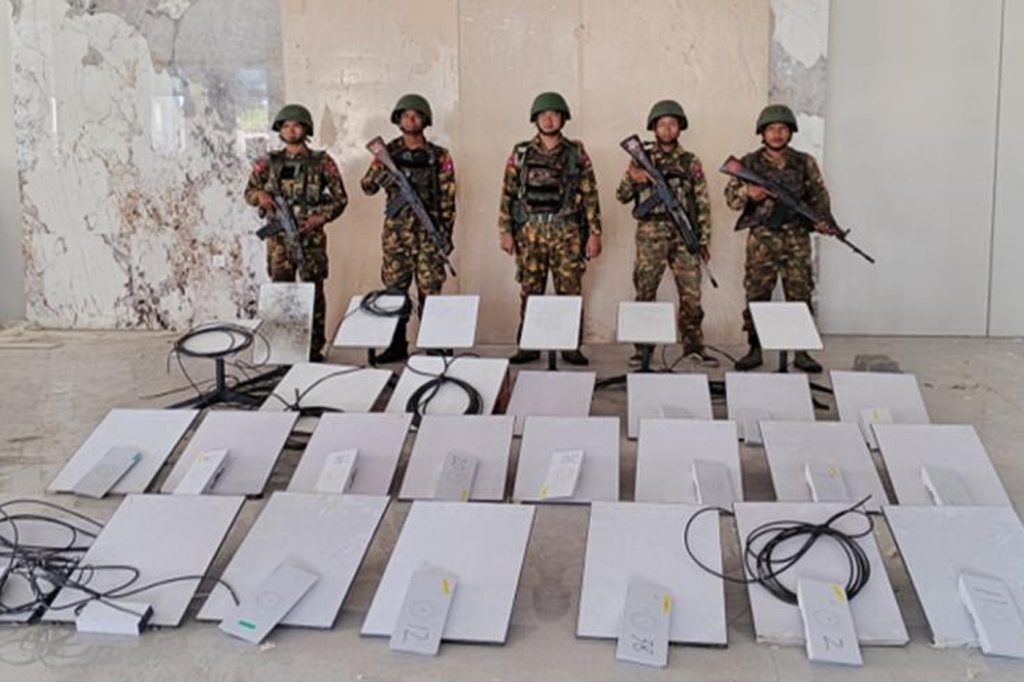
The AP verified satellite imagery of 25 new scam compounds identified by the International Justice Mission, which have arisen or expanded since the crackdown on KK Park. A sample of device activity from these sites was analyzed between March 1 and June 1, 2026. Notably, at least 13 of these compounds utilized Starlink IP addresses, although the dataset may not capture all such activities.
The AP provided detailed information about device connections, including location and timing, to each company referenced in the findings. This investigation is part of an ongoing collaboration between the Associated Press and “FRONTLINE” (PBS), which will include a forthcoming documentary.








