

JOHANNESBURG (AP) – On Tuesday, thousands of demonstrators gathered in various regions of South Africa, rallying against illegal immigration. This protest coincided with a self-imposed deadline set by some groups for all illegal migrants to leave the country. These demonstrators attribute rising unemployment levels among South Africans, high crime rates, and other societal issues to the presence of illegal immigrants, who they claim accept lower wages.
The South African government has not acknowledged the Tuesday deadline established by the protest groups, asserting that enforcement of immigration laws is solely within the jurisdiction of the authorities. Among the most vocal groups rallying against illegal immigration are March and March, Operation Dudula, and Progressive Forces. President Cyril Ramaphosa held a meeting with leaders from several of these organizations on Monday evening, urging them to ensure that their demonstrations remain peaceful.
In preparation for potential unrest, police have deployed hundreds of officers in cities such as Johannesburg in Gauteng province and Durban in KwaZulu-Natal province. Prior instances of marches against illegal immigration have led to violent confrontations and vandalism targeting migrants and businesses owned by foreigners. Additionally, police and private security personnel have been mobilized in Eastern Cape province, where previous demonstrations have escalated into violence, resulting in damage to public infrastructure and foreign-owned shops being forced to close.
The impending protests have ignited fears of violence among thousands of migrants, particularly those from neighboring countries like Zimbabwe and Malawi. Many migrants have sought refuge at their embassies and consulates, requesting transportation back to their home nations. In the days leading up to the protests, traffic at the Beitbridge checkpoint along the Zimbabwe border has surged, with buses transporting migrants departing South Africa. Furthermore, numerous Malawian nationals have returned from a temporary repatriation center located in Durban.
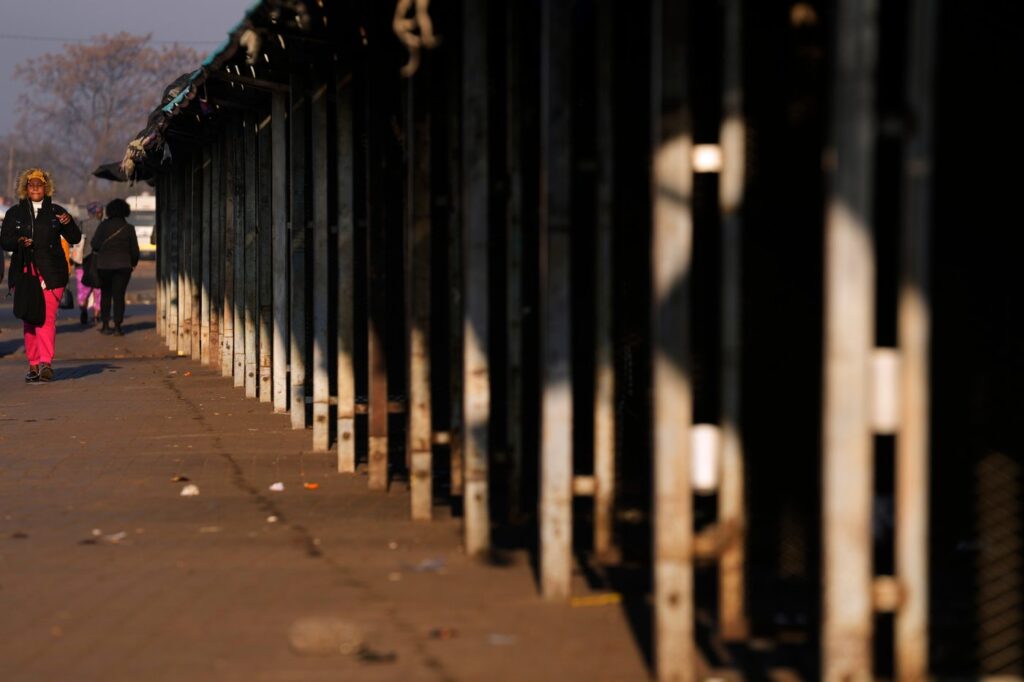
Demonstrators began to assemble early Tuesday in various areas of Durban, with additional reports indicating the presence of protesters in North West and Free State provinces. In Johannesburg, some shops owned by foreign nationals opted to close their doors as the crowd began to form. Nkele Thebe, a protester in Johannesburg, stated, “Today is the last day. After today, we’ll be dealing with our president and our nation. We don’t want an outsider to come interfere.”
Another protester, Bongani Cindi, responded to the accusations of xenophobia directed at those opposing illegal immigration. He argued that their concerns were legitimate, saying, “Our country has a lot of problems. We have an influx of illegal immigrants who are committing crimes that we can’t even take anymore. So we need them to leave us in peace, so we can sort our house. We are not fighting anyone.”
As the protests unfolded, the environment in affected areas remained tense, with many shops closed and locals bracing for possible violence. The situation reflects significant societal divisions and a growing sentiment among some South Africans regarding immigration and its impact on their economy and safety. The ongoing demonstrations serve as a focal point for broader discussions about immigration policy and social cohesion in a nation grappling with economic challenges and historical complexities.








