

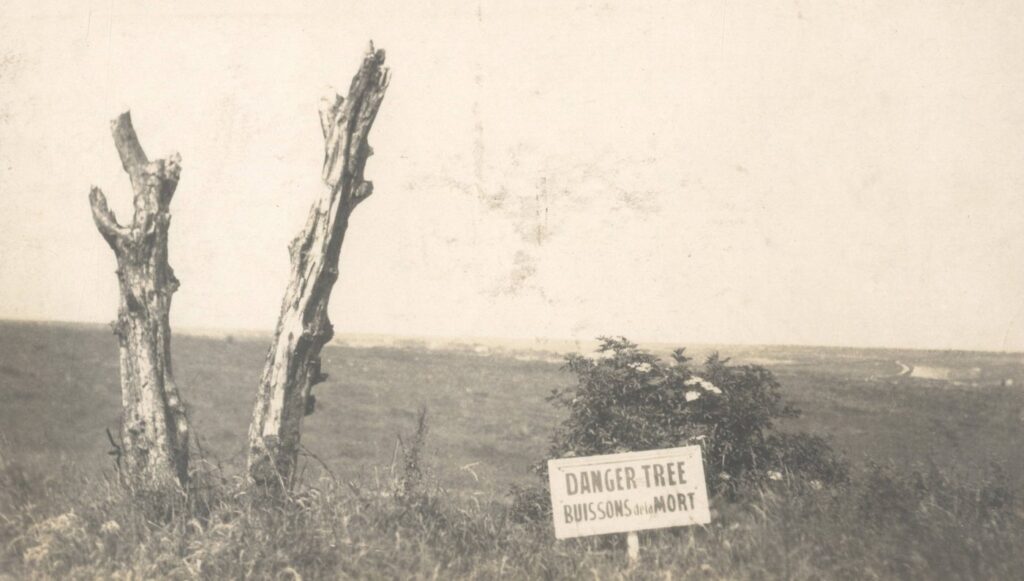
ST. JOHN'S A significant monument commemorating a tragic event in Newfoundland and Labrador's history is set to be unveiled today at the historic site of the Battle of Beaumont-Hamel in northern France. This battle was a pivotal moment during the First World War, specifically on July 1, 1916, when the Newfoundland Regiment faced devastating losses.
The memorial features a replica of the infamous "danger tree," which became a symbol of sacrifice and courage. This tree, located approximately halfway between the Allied and German trenches, stood as a grim landmark for the over 800 soldiers of the Royal Newfoundland Regiment who charged into battle that fateful morning. Many soldiers aimed to reach this tree, which represented a crucial passage into the enemy's front lines.
Historian Frank Gogos, present in France for the memorial installation with Veterans Affairs Canada, emphasized the significance of the marker. He stated that it serves as a powerful reminder of the "futility of loss" inherent in war. The Battle of Beaumont-Hamel was marked by brutal violence, with German forces waiting with machine guns as the regiment advanced. Tragically, fewer than 100 soldiers of the Newfoundland Regiment returned to roll call the following day, underscoring the scale of the tragedy.
The unveiling of the danger tree replica at the Beaumont-Hamel Newfoundland Memorial is a vital step in honoring the memory of those who served and sacrificed during the Great War. The battle is often cited as one of the darkest moments for Newfoundland, illustrating not only the heavy toll of war but also the indomitable spirit of the soldiers who fought bravely against overwhelming odds.
This commemorative event not only pays tribute to the heroes of the past but also seeks to educate future generations about the importance of remembrance. Gogos's reflections serve to remind us of the profound impact of such losses, forever etched into the history of Newfoundland and its people.








