

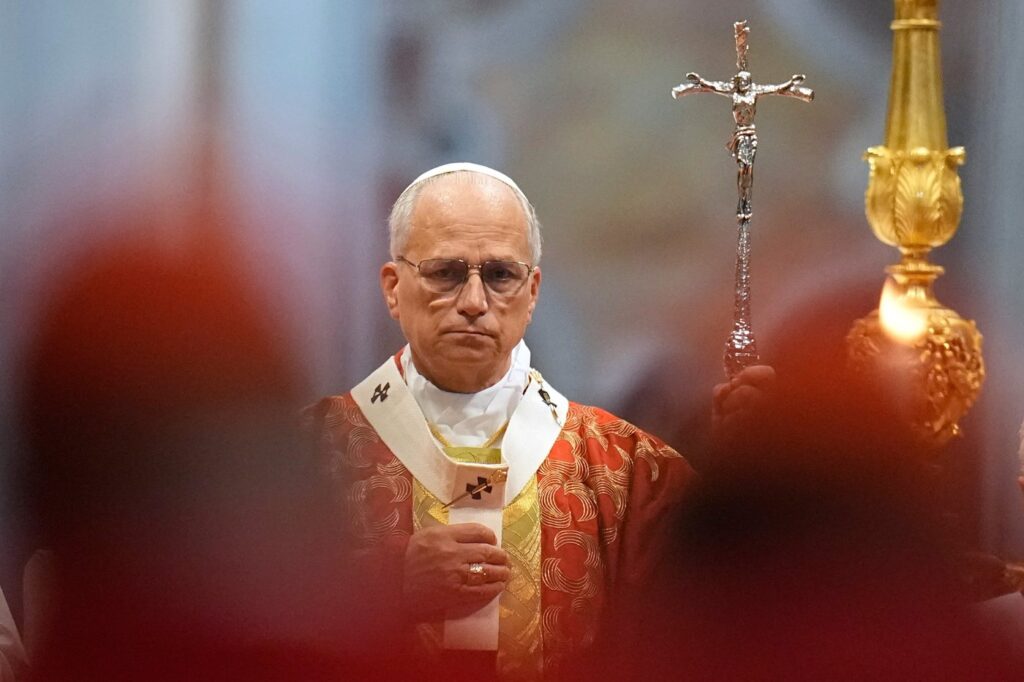
VATICAN CITY (AP) – The ultratraditionalist Society of St. Pius X (SSPX) is set to defy Pope Leo XIV by proceeding with the consecration of four bishops without the Pope's consent. This action not only incurs automatic excommunication for the bishops but also constitutes a "schismatic act," representing a deliberate rupture of unity within the Catholic Church.
This ceremony marks a significant challenge for Pope Leo XIV, who has emphasized church unity and aims to heal the tensions that worsened during Pope Francis' tenure. The SSPX was established in opposition to the modernizing reforms introduced by the Second Vatican Council, which significantly altered the Catholic Church's relationships and allowed for Mass to be conducted in vernacular languages rather than exclusively in Latin.
Founded by Archbishop Marcel Lefebvre, the SSPX has been operating without Vatican recognition since it was suppressed in 1975. Lefebvre consecrated bishops without papal consent in 1988, leading to his excommunication and that of the four bishops. The group continues to thrive and poses a challenge to the Holy See, as it represents an ultra-Catholic identity that persists in its pre-Vatican II practices. As of now, the SSPX comprises two bishops, 751 priests, 264 seminarians across five seminaries, 145 religious brothers, 88 oblates, and 250 religious sisters from 50 nationalities.
According to the Church's canon law, consecrating a bishop without papal approval results in automatic excommunication for both the consecrators and the consecrated bishops. Notably, this excommunication does not impact the validity of the consecration itself; SSPX bishops and priests are considered validly ordained, albeit illicitly. Experts suggest that while the Vatican may choose not to extend the excommunications to attendees at the event, it is likely that the Holy See will respond publicly due to the significant nature of the consecrations.
Pope Francis has historically held a distrust towards traditionalist factions but has attempted to reconcile with the SSPX. In 2015, he permitted Catholics to receive valid sacraments from SSPX priests, recognizing their authority for confessions and allowing them to officiate marriages. These concessions, meant initially as temporary gestures during the Jubilee of Mercy, were extended indefinitely. Moving forward, Pope Leo XIV might reconsider some of these allowances in light of the recent developments with the SSPX.
Pope Benedict XVI also sought to remedy the schism with the SSPX during his papacy, relaxing restrictions on the traditional Latin Mass in 2007 and lifting the excommunications of the four bishops in 2009. However, his outreach aimed to heal rifts was complicated by controversy, particularly related to Bishop Richard Williamson, known for his Holocaust denial, who was eventually expelled from the SSPX in 2012.
Despite concessions made to the SSPX, Pope Francis has also faced backlash from many traditionalists after reversing Benedict XVI's relaxation of rules regarding the old Latin Mass, citing it as a source of division within the Church. In an effort to promote unity, Leo XIV recently permitted Cardinal Raymond Burke to celebrate an old Latin Mass in St. Peter's Basilica, reflecting his commitment to inclusivity among various factions within the Church.








