

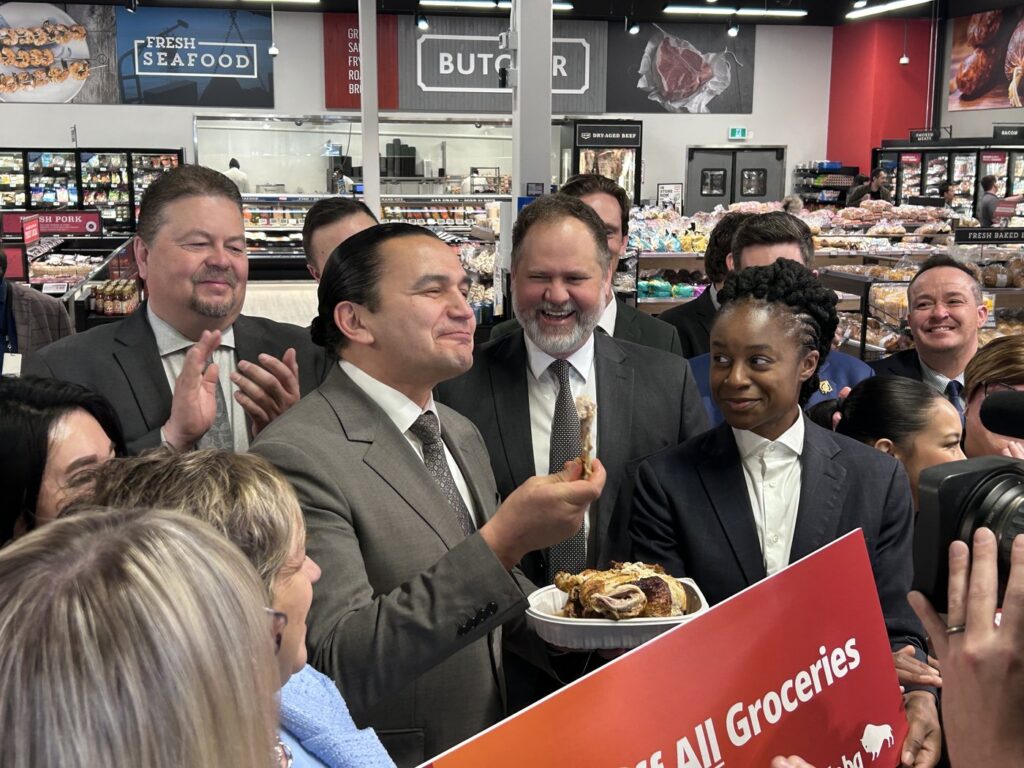
The province of Manitoba has officially implemented a reduction in its provincial sales tax (PST) on store-bought food, effective July 1, 2026. This tax cut is significant as it eliminates the seven percent PST previously charged on various food items that were not tax-exempt, including popular products such as chips, rotisserie chickens, and baked goods.
Prior to this change, most groceries in Manitoba were already exempt from taxes; however, the new policy aims to extend these savings to more food products sold in grocery and convenience stores. While this move is expected to benefit consumers directly, it is essential to note that the PST cut does not apply to food purchases made at restaurants, bakeries, or bars, where the tax still remains in effect.
The New Democratic Party (NDP) government of Manitoba has framed this tax reduction as a measure that can save the average family approximately $100 annually, helping to alleviate some of the financial burdens experienced by households. The government believes that lowering the taxes on grocery items will improve access to essential food products for families across the province.
In contrast, the Opposition Progressive Conservatives have criticized the government’s decision, arguing that the tax cut primarily benefits the accessibility of junk food rather than providing substantial relief to family finances. They contend that a focus on healthier food options and a broader tax reduction strategy might have had a more positive impact on overall well-being and family budgets.
Moreover, business groups, including Restaurants Canada and the Canadian Federation of Independent Business, have voiced their discontent with the policy. They claim that not extending the tax cut to restaurants places them at a competitive disadvantage compared to grocery stores and may inadvertently promote a preference for purchasing prepared foods over dining out. These organizations are advocating for an expansion of the tax cut policy to include all food sales, emphasizing the need for fairness in the food service industry.
The tax cut represents a substantial shift in Manitoba's food taxation policy and reflects a focus on making everyday food items more affordable for families. While the government projects positive financial outcomes for consumers, the political pushback and concerns from the business community highlight the complexities involved in implementing such changes. Observers will be keen to see how this policy shapes consumer behavior, affects the grocery and restaurant industries, and plays out politically in the coming months.








