

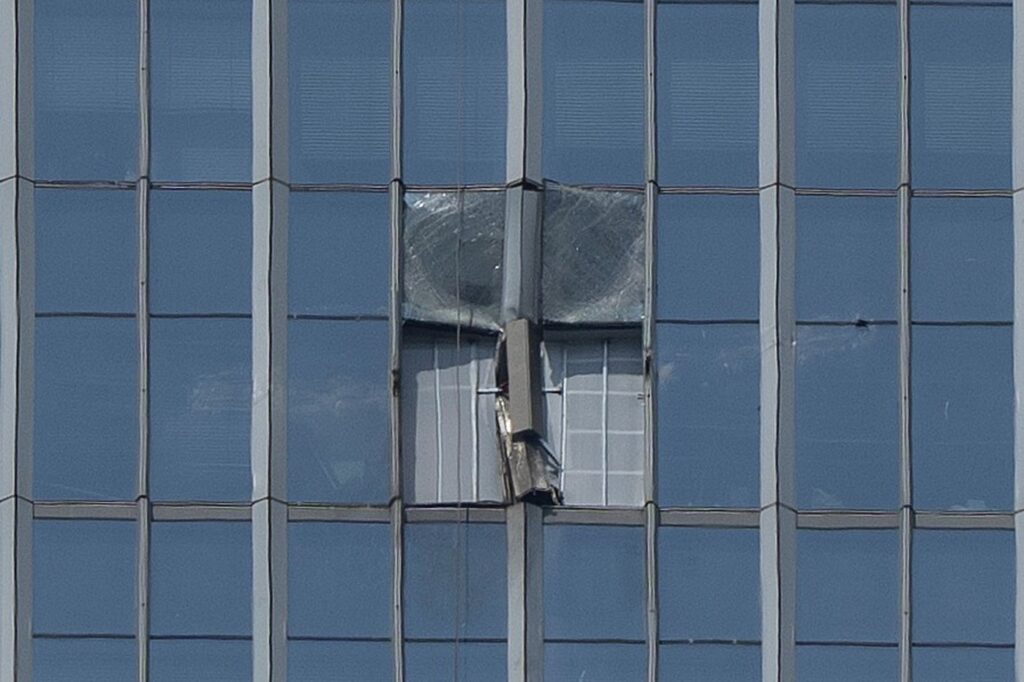
BEIJING (AP) — A tragic incident occurred last week when a small plane crashed into Beijing's tallest building, the CITIC Tower, also known as China Zun. In a statement released by Beijing's Chaoyang district government on Thursday, it was revealed that the 66-year-old pilot had written in his diary about “ending his life,” leading authorities to conclude that the crash was a result of “personal reasons.”
The collision happened on a Friday evening, around 6 p.m., as people were leaving their offices in the bustling downtown skyscraper district. The impact left a significant hole in the glass facade of the 108-story CITIC Tower, sparking concerns over security in the Chinese capital. Tragically, the pilot lost his life, while 13 others sustained injuries. Fortunately, none of the injuries were considered life-threatening, and one person has since been discharged from the hospital.
According to the investigation from the Chaoyang district government, the pilot, who has been identified only by his surname, Liu, initially took off on a solo flight after having flown with a passenger in a two-seat training plane. Liu's flight originated from a general aviation airport located on the outskirts of Beijing. However, he deviated from his planned flight path, and authorities lost contact with him shortly thereafter.
The government statement provided additional insights into Liu's personal circumstances, revealing that he had no fixed job, was divorced, and lived alone. Furthermore, he struggled with insomnia and anxiety, and multiple entries in his diary referenced suicidal thoughts. This tragic personal background sheds light on the possible motivations behind his drastic actions.
The incident has raised significant questions about security and aviation regulations in one of the world's most populous cities. As the investigation continues, officials are likely to delve deeper into the circumstances surrounding this unusual and alarming event. Meanwhile, the damage caused to the iconic CITIC Tower will also require careful assessment and repair, as it stands as a vital part of Beijing's skyline and architectural heritage.
The CITIC Tower, designed to resemble an ancient wine vessel, has been a prominent symbol of modernity in Beijing. The crash not only disrupted the city's bustling evening atmosphere but also served as a reminder of the potential dangers associated with aviation, especially in crowded urban environments.








