

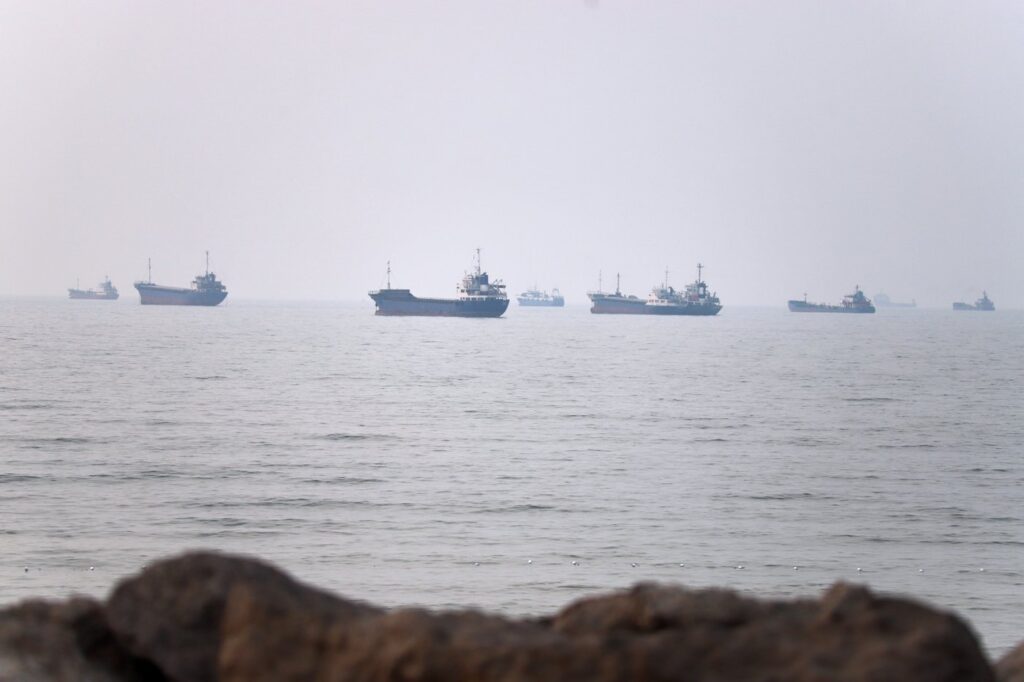
DUBAI, United Arab Emirates (AP) — On Thursday, Iran's joint military command issued a stern warning regarding the navigation of oil tankers through the Strait of Hormuz, stating that all vessels must adhere to approved routes or face a "forceful response." This statement serves to heighten existing tensions in a crucial waterway for global energy supplies.
The Strait of Hormuz, located at the narrow entrance to the Persian Gulf, has become a focal point in discussions aimed at reaching a permanent resolution to the ongoing conflict in Iran. The warning was broadcast by Iranian state television, and it followed a meeting in Qatar involving U.S. and Iranian diplomats with third-party mediators on Wednesday.
The exact trigger for Iran's aggressive posture remains unclear. However, a statement from the U.S. military's Central Command, which emphasized a commitment from regional leaders to ensure unimpeded maritime commerce in the Strait, potentially provoked the Iranian response. This escalation comes at a sensitive time, as Iran prepares to hold a funeral this weekend for the late Supreme Leader Ayatollah Ali Khamenei, who lost his life during the early stages of the ongoing war in February.
The Iranian statement explicitly warned that any deviation from the set navigation routes or violation of Iran's maritime protocols within the Strait of Hormuz would lead to an immediate and decisive military response. The armed forces' press release asserted that such actions would compromise the safety of any vessels found in violation.
Furthermore, the Iranian command expressed concerns regarding the ongoing presence of U.S. fighter jets over the strait, alleging that their activities contribute to insecurity and pose a threat to regional stability. The statement characterized any U.S. interference in security-related issues within the Strait of Hormuz as a challenge to Iran's national sovereignty, which, if provoked, would provoke a rapid retaliation.
In an interim agreement, Iran and the United States have consented to allow vessels to pass through the Strait without incurring fees for a period of 60 days. Nevertheless, Tehran has insisted on maintaining control over vessel routes and imposing future charges for passage, thereby challenging longstanding practices in this vital maritime corridor.
The U.S. and numerous Gulf Arab countries have indicated their refusal to accept these proposed charges, further complicating the situation. An initiative by Oman alongside a United Nations agency aimed at establishing a new shipping route near Oman’s coastline has led to rising tensions, including attacks throughout the Middle East over the past weekend.
As events develop, the situation remains precarious, with diplomatic efforts continuing amidst an increasingly hostile regional landscape.








