

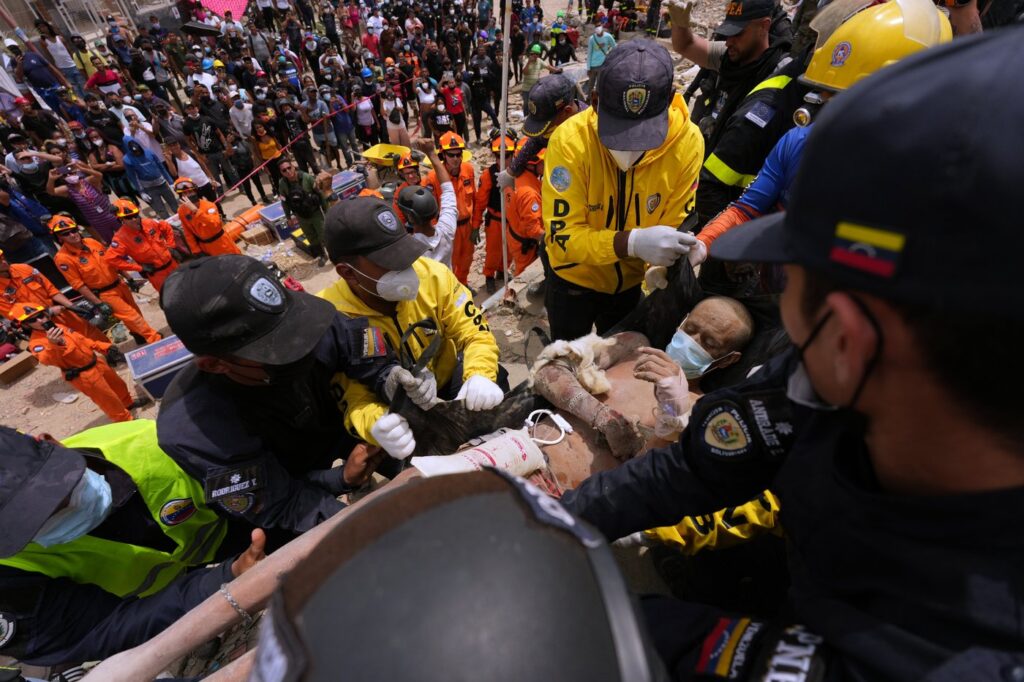
Between June 26 and July 2, 2026, a series of significant events unfolded across Latin America, highlighted by social, cultural, and humanitarian activities. One of the most pressing stories was the aftermath of the devastating earthquakes that struck Venezuela on June 24. The earthquakes caused severe damage, killing hundreds and leaving many missing. Rescue workers were engaged in a relentless search for survivors, particularly in La Guaira, a city that suffered extensive destruction. On June 28, rescue operations were captured in heart-wrenching photographs, showcasing the bravery of those involved in saving lives amid the chaos. Survivors were pulled from the rubble, providing glimmers of hope in a tragic situation, while the toll of disaster weighed heavily on the national psyche.
As Venezuela grappled with the effects of the natural disaster, sporting events provided a different narrative. Mexico made history by breaking a 40-year drought in the World Cup knockout stage, achieving a 2-0 victory over Ecuador and advancing to the Round of 16. This milestone was celebrated fervently by Mexican fans, who gathered in various locations, including a watch party on Reforma Ave. near the Angel of Independence monument. The excitement and energy displayed by supporters captured the essence of national pride, with attendees dressed in jerseys and waving flags, creating an electric atmosphere that resonated throughout the city.
Alongside the sports celebrations, the conclusion of Pride Month brought vibrant festivities to Mexico City, which hosted its annual Pride parade. This colorful event, held on June 26, saw participants don elaborate costumes and openly express their individuality and solidarity within the LGBTQ+ community. The parade served as a platform for promoting inclusivity and awareness, as thousands gathered to celebrate love and acceptance in all its forms. The imagery captured during the parade highlighted the diversity and spirit of the participants, underlining the importance of such events in advocating for equal rights.
In contrast to the jubilation surrounding the Pride festivities and the World Cup, troubling scenes emerged from Port-au-Prince, Haiti, where protests erupted demanding the reopening of the General Hospital. On July 1, medical students were seen assisting a fellow student who had been shot by a police officer during the protests. The unrest reflected the ongoing struggles faced by the Haitian population, highlighting the intersection of public health and civil rights in the country.
Further south, cultural events continued to shape the regional landscape. On June 27, Bogotá, Colombia, celebrated Go Skateboarding Day, where riders showcased their skills and passion for the sport. The event, filled with enthusiasm and talent, illustrated the vibrant urban culture in Colombia. Meanwhile, in Asuncion, Paraguay, soccer fans gathered on June 29 to watch a World Cup match between Paraguay and Germany, immersing themselves in the spirit of the tournament even as they faced political and social challenges back home.
Additionally, in Buenos Aires, Argentina, dog walker Nahuel Meneghini gained attention for walking dogs dressed in jerseys of the Argentine national soccer team, further symbolizing the nation's fervor for soccer as they prepared for upcoming matches. Meanwhile, the serene beauty of nature was captured on June 29 with a striking photograph of the moon rising over Montevideo, Uruguay, reminding everyone of the awe of the natural world amidst the hustle and bustle of daily life.
These diverse stories converged to form a tapestry of life in Latin America, reflecting the profound resilience of its people in the face of various challenges and celebrations. The juxtaposition of tragedy and triumph, community solidarity, and cultural expression illustrated the multifaceted nature of life in the region during this eventful week.








