

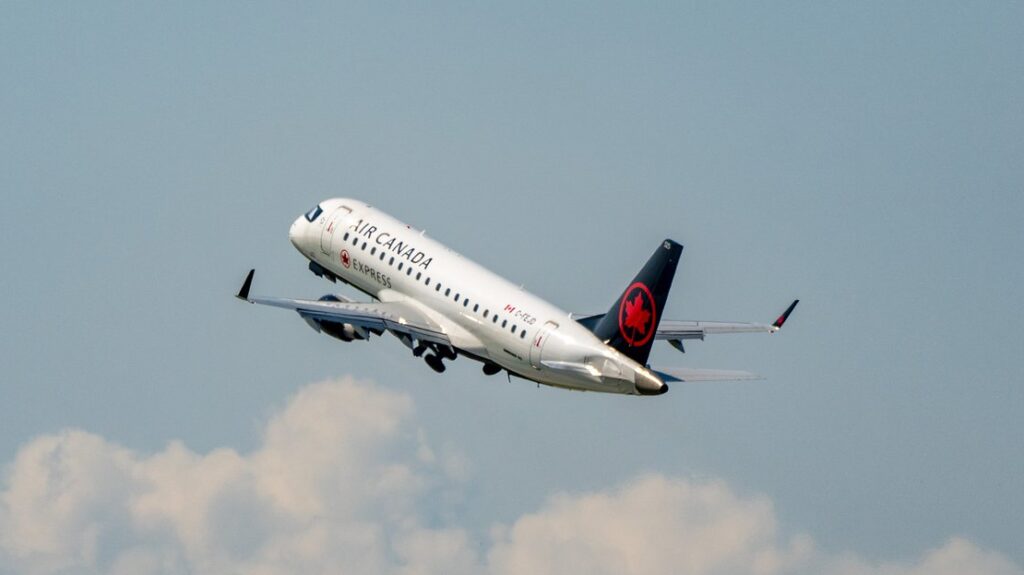
MONTREAL – Canadians are increasingly boarding airplanes this summer, even as ticket prices remain significantly higher than last year’s levels. Despite a recent decrease in fuel costs, the trend of expensive airfares persists. As of late June, domestic economy airfares in Canada were 11 percent higher than the previous year, while international fares have remained roughly consistent year-over-year, according to the travel search platform Kayak.
Many major North American airlines have reported strong demand as they enter the peak travel season, despite ongoing global conflicts and a decline in Canadian travelers heading to the U.S. Mark Galardo, Air Canada’s chief commercial officer, noted in an analysts' meeting on April 30 that, “We’ve been in the green for the better part of the last two months. Despite multiple increases in fares, we have not seen demand fall.”
Travel volumes across North America held steady in May, even amidst the economic shocks stemming from the Iran war, as noted by the International Air Transport Association (IATA). IATA director Willie Walsh emphasized that, “Demand still appeared to be largely resilient in the face of high fuel prices and airfares.”
This pattern appears to be particularly evident in Canada, where some residents are making sacrifices in other areas to afford travel. A recent survey conducted by cashback rewards company Rakuten indicated that 42 percent of Canadian respondents reported cutting back their spending in other sectors to maintain their travel budgets. Rakuten's general manager, Jennifer LaForge, commented, “Despite rising costs and volatility shaping how people spend, many are making intentional trade-offs elsewhere to protect travel, reflecting a growing desire to reconnect and recharge.”
The current demand dynamics have led airlines to retain higher fares, even as fuel prices decline. Barry Choi, who manages the personal finance and travel website Money We Have, noted, “Once prices go up, airlines tend to not bring them back down.” He expressed concern about high costs, citing a one-way flight he hopes to book from Los Cabos, Mexico, to Toronto in December that is currently priced at around $700. Choi remarked, “I’ve flown to Europe round-trip for cheaper than that. There’s no reason why that flight should be as expensive as it is right now.”
As of last Friday, the price of jet fuel was reported to be 24 percent lower than the previous month but still 30 percent higher than levels seen in late June of last year, according to the IATA. These fuel price trends combined with high ticket prices highlight the complex relationship between operational costs and market demand within the airline industry.
This article, originally published on July 3, 2026, highlights ongoing trends in air travel and fare pricing affecting Canadian travelers. It sheds light on how consumer behavior, influenced by price sensitivity and a strong desire to travel, is shaping the airline industry’s response to increased demand against the backdrop of fluctuating fuel costs.








