

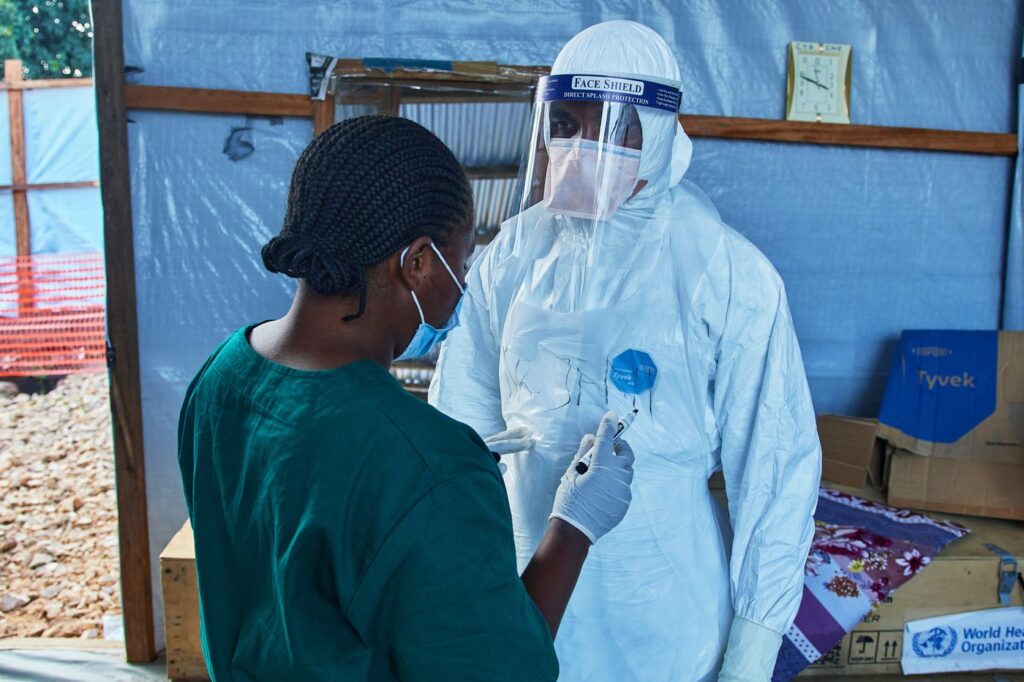
The World Health Organization's emergencies chief, Chikwe Ihekweazu, expressed grave concerns regarding the ongoing Ebola outbreak in eastern Congo during a press briefing on Tuesday, following a recent trip to Bunia, located in Ituri province—the area most severely affected by the outbreak. He noted that the outbreak is currently "outpacing the response efforts," signaling a critical situation for health authorities.
One of the most alarming observations from Ihekweazu's visit is the rising number of fatalities among individuals who succumbed to the virus in their communities, never having reached a health facility or received any medical care. He highlighted that as of today, approximately 80% of new cases fall outside of the known contact lists, indicating they are emerging from unidentified chains of transmission. This situation underscores the challenges health officials face in tracking and controlling the outbreak.
Since May 15, when Congolese authorities officially declared a new Ebola outbreak associated with the rare Bundibugyo virus, the country has struggled to contain the disease. According to the Africa Centre for Disease Control, this outbreak is the fastest-growing case of Ebola seen on the continent. As of the latest reports on Monday, a total of 1,926 infections have been confirmed, with 702 fatalities recorded across three provinces in the Democratic Republic of Congo. Additionally, cases have been detected in neighboring Uganda, exacerbating concerns of regional spread.
Adding to the urgency of the situation, the U.S. Centers for Disease Control and Prevention disclosed that a U.S. citizen working for a humanitarian organization in Congo has tested positive for the Ebola virus, although specific details have yet to be released. This case further emphasizes the risk that humanitarian workers face while operating in such volatile environments.
Despite the troubling circumstances, Ihekweazu reported several encouraging developments during his visit to Bunia. Treatment capacity there has been significantly expanded to nearly 800 beds, showing an improvement on a weekly basis. Moreover, laboratory capabilities have grown from just one lab to 14, facilitating quicker and more effective testing processes. These advancements are crucial as health authorities strive to combat the virus more effectively.
However, Ihekweazu also acknowledged that despite these advancements, response efforts have failed to keep pace with the rapidly evolving outbreak. A major hurdle includes a substantial funding gap, which hampers resource allocation and logistical support. Furthermore, persistent attacks on health facilities and ongoing conflicts in eastern Congo pose significant challenges to the healthcare response. Mistrust within local communities also complicates efforts to engage and educate the population about prevention and response strategies.
On Monday, adding to the complexities of the situation, numerous workers at an Ebola treatment center in northeastern Congo went on strike, demanding unpaid salaries and bonuses. This strike illustrates the financial pressures that healthcare workers are under and how it further complicates the response to the outbreak.
In a cautious move towards combating this outbreak, clinical trials for potential treatments began last week, representing a promising development in the fight against the virus. Researchers had launched a widely anticipated study aimed at developing effective therapies to manage Ebola infection, a critical need given the absence of approved treatments or vaccines for the current outbreak.








