

A recent survey conducted in Nova Scotia reveals a significant opposition among the public regarding the government's potential allowance of private development on protected lands. The study, commissioned by the Ecology Action Centre, indicates that a substantial majority, 78 percent of respondents, disapprove of the government permitting private developments such as golf courses, hotels, and spas on parkland.
The survey highlights that three out of five individuals are "completely opposed" to the concept, with only four percent expressing support for such initiatives. This public sentiment follows remarks made by Premier Tim Houston and former Natural Resources Minister Kim Masland, who stated that the government was open to considering private development proposals on protected land.
Masland, speaking after a cabinet meeting, emphasized the importance of having discussions with Nova Scotians about potential development projects. She defended the government's position by stating that being open to conversation does not imply that protected designations would change, clarifying that the government could still engage in dialogue while maintaining the integrity of protected areas.
The Ecology Action Centre argues that the survey results demonstrate a clear disconnect between government statements and public opinion. Lindsay Lee, the Wilderness Community Outreach Coordinator for the EAC, stated that the overwhelming opposition to sacrificing protected parks for private developments should serve as a warning to the Houston government. Lee expressed concern over the implications of undermining decades of nature conservation and emphasized the need for the government to respect the views of Nova Scotians.
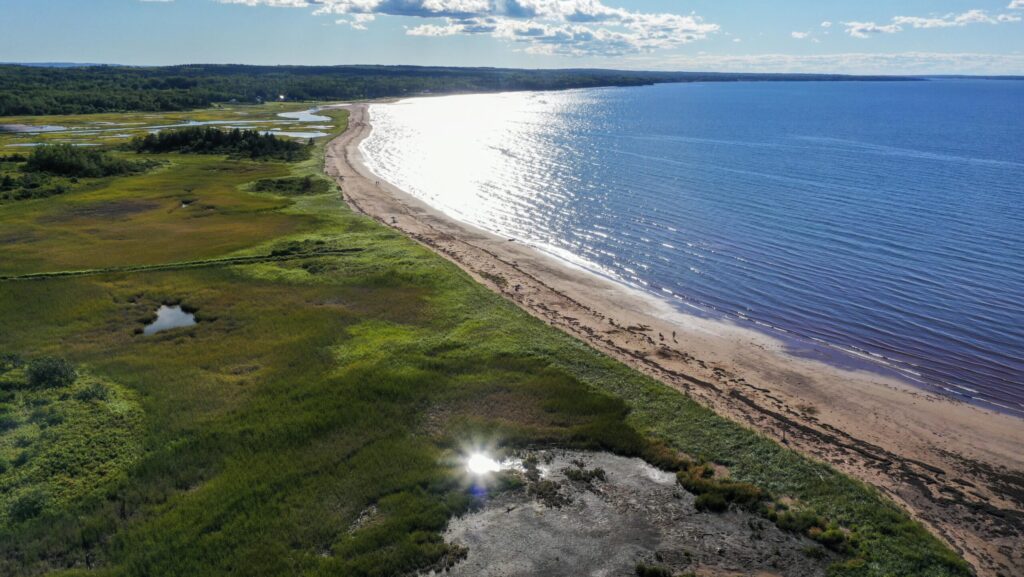
Community voices, such as that of Nadine Hunt, reflect the apprehension regarding potential developments in protected areas. Hunt articulated her relief at the government’s previous rejection of Cabot Golf’s proposal to build on Cape Breton's West Mabou Beach, yet she remained troubled by the prospect of similar proposals arising in other communities. She questioned the rationale behind targeting protected parks rather than encouraging private businesses to develop on private land, highlighting the inconsistency with public sentiment.
The Nova Scotia government had previously committed to protecting 20 percent of the province's land and water by 2030, with current figures indicating that 13.6 percent of land is protected as of July 2024. This commitment showcases the government's acknowledgment of the importance of conservation, yet it contrasts sharply with the recent discussions surrounding potential developments in designated areas.
As public concerns continue to mount regarding the integrity of protected land, the Nova Scotia government faces increasing pressure to align its policies with the views of its constituents. The sentiment expressed through the survey indicates a strong desire among Nova Scotians to preserve their natural spaces without the encroachment of private development.








