

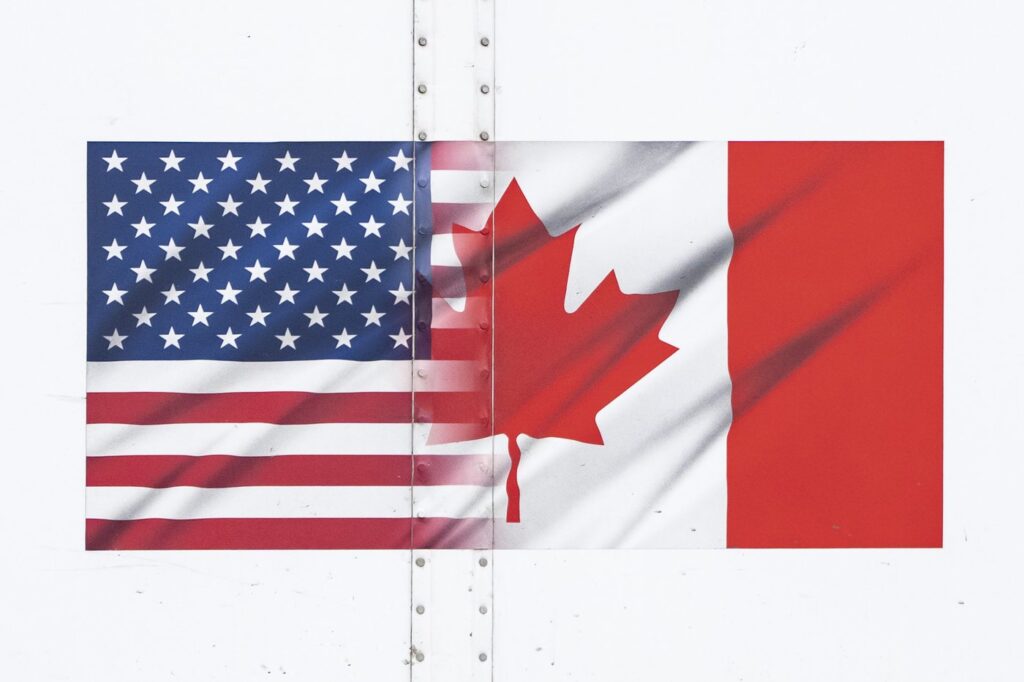
A recent Leger poll reveals that a significant number of Canadians are advocating for a more assertive stance from the federal government in trade negotiations with the United States. This sentiment appears to be particularly relevant in light of U.S. President Donald Trump’s imminent tariff threat, which targets approximately $28 billion worth of Canadian goods and is scheduled to take effect just after midnight.
The poll indicates that just over half of the respondents support the government adopting a hardline approach, insisting on no further concessions in trade discussions. In contrast, nearly one-third of those surveyed expressed a preference for Canada to remain flexible and willing to make concessions where necessary. This divide in opinion underscores the tension that surrounds trade relations between the two countries, especially in light of the current political climate.
Among the respondents, 38% characterized the government's approach to the ongoing trade negotiations as passive, suggesting dissatisfaction with the current tactics being employed. In comparison, 30% of participants believe the government's strategy is balanced, which indicates a slight minority feel content with the status quo. This reflects a broader concern among Canadians regarding their nation's negotiating power and strategy in the face of external pressures.
The poll also highlights notable support for more aggressive retaliatory measures against U.S. trade actions. Respondents have expressed strong backing for implementing taxes on electricity and oil and gas exports. Additionally, there is a call for placing restrictions on U.S.-owned companies from accessing Canadian government contracts, indicating a desire to protect domestic economic interests amidst growing trade hostilities.
This survey was conducted between August 15 and 17, 2023, and involved a sample size of 1,622 Canadians. However, it is important to note that the online format of the survey prevents the assignment of a margin of error, as outlined by the Canadian Research Insights Council, which explains that online surveys do not use random sampling methods.
The findings of this poll paint a picture of a Canadian public that is increasingly concerned about trade relations with the United States. The desire for a tough stance suggests that many Canadians expect their government to defend national interests vigorously, especially in response to potential tariffs and other trade barriers. As the political landscape evolves, the implications of these sentiments may play a significant role in shaping future trade policies and negotiations between Canada and the United States.








