

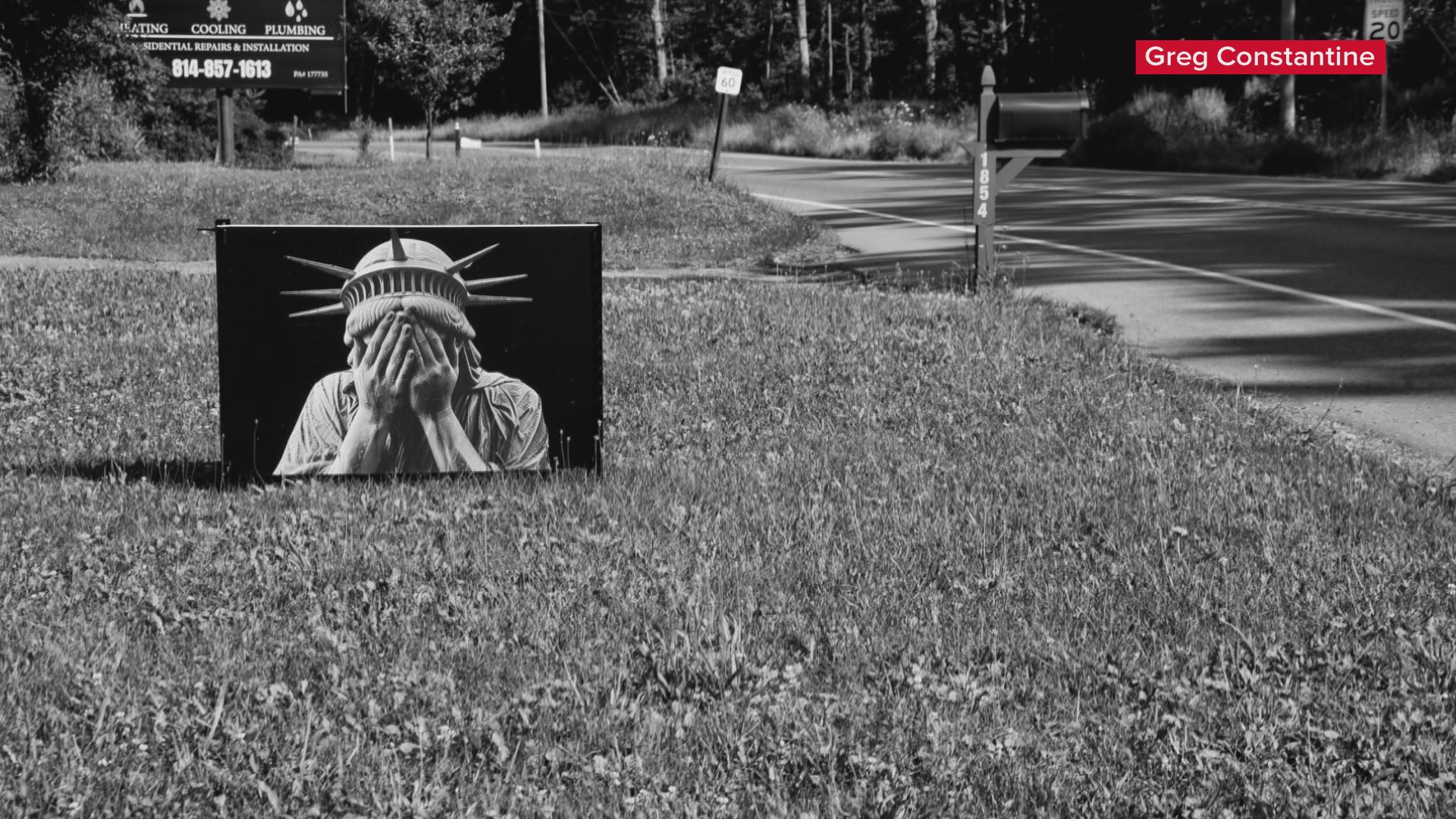
Following the recent shooting of an unarmed civilian by U.S. Immigration and Customs Enforcement (ICE) officers—an incident that tragically involved a child in the target's car—protests erupted in New York City. This shooting is part of a troubling pattern of violence and unrest related to immigration enforcement under President Donald Trump’s administration.
Greg Constantine, a dual citizen and photojournalist based in British Columbia, received a fellowship to investigate the consequences of ICE operations in rural parts of the United States. Spending months in small towns within Republican strongholds like Indiana and Missouri, Constantine chronicled how Trump's immigration policies manifested in these areas, where they often enjoy local support.
“I think that, economically, it’s affecting people," Constantine stated, emphasizing that the impact extends beyond finances to the "total destruction of families." He noted that the forms of violence seen in these communities may differ but are equally destructive and pervasive. His documentation reveals the often unseen suffering in rural areas as a consequence of immigration enforcement.
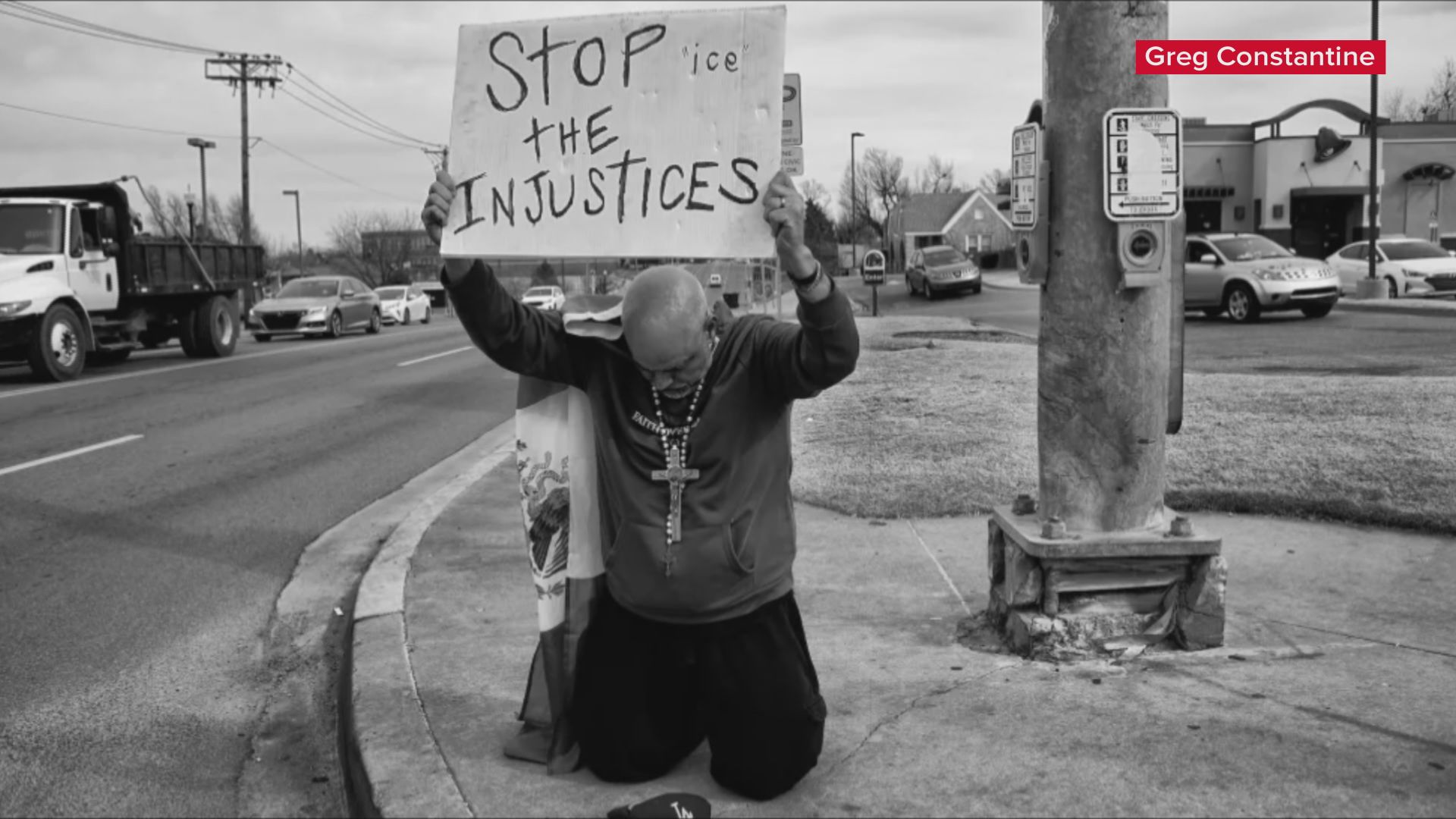
Constantine's work, published as a series of multimedia essays, often captures the theme of absence—the absence of fathers from family photos or the absence of a driver in a parked car. The emotional weight of these images highlights the profound void left by deportations, illustrating the ongoing struggles faced by those left behind. “What was left behind is this vaporized person, with a life still suspended,” he explained, conveying the tragic consequences of arbitrary enforcement actions on families.
These actions, often occurring during routine traffic stops or in the aftermath of mundane activities, exemplify the quiet yet forceful campaign of apprehension that ICE has orchestrated in rural areas. Constantine pointed out that local law enforcement, often trusted by their communities, has been contractually bound to assist ICE in apprehending individuals, many of whom lack any criminal history.
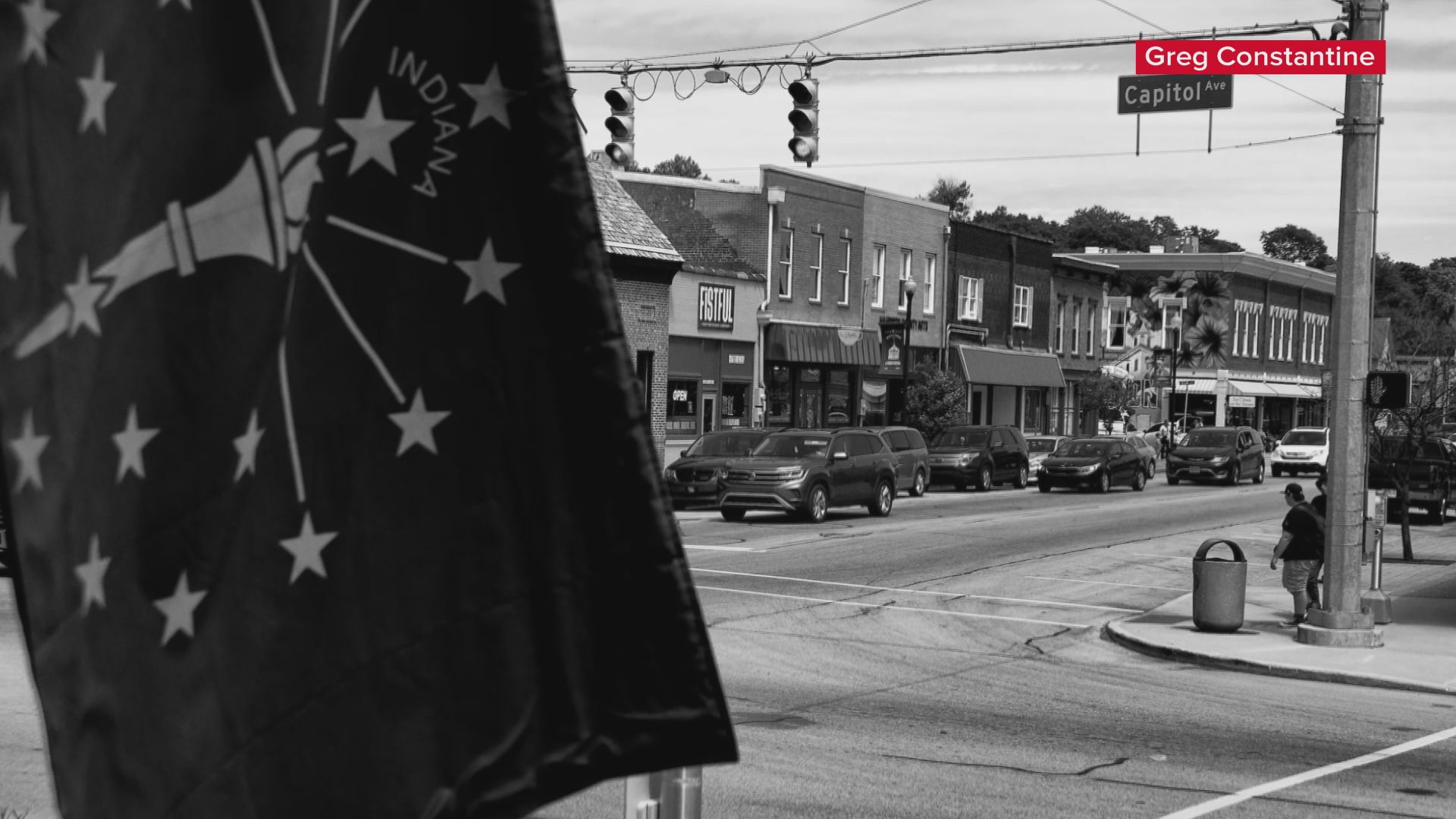
Additionally, Constantine showcased the troubling intersection of economics and immigration enforcement. He revealed how federal funds flow into rural communities, bolstering local budgets by financing sheriff’s offices and creating jobs at detention centers. This financial dependence on immigrant detention has evolved into a significant part of municipal budgets, fostering an environment where human lives are commodified for profit.
“It’s much more of a mass-detention project than anything else,” Constantine asserted, highlighting that profit derived from the detention system hinges on the very human lives it ensnares—fathers, mothers, grandparents, and siblings. He suggested that this commodification of human beings is a source of shame for every American, calling attention to the moral and ethical implications of such policies.
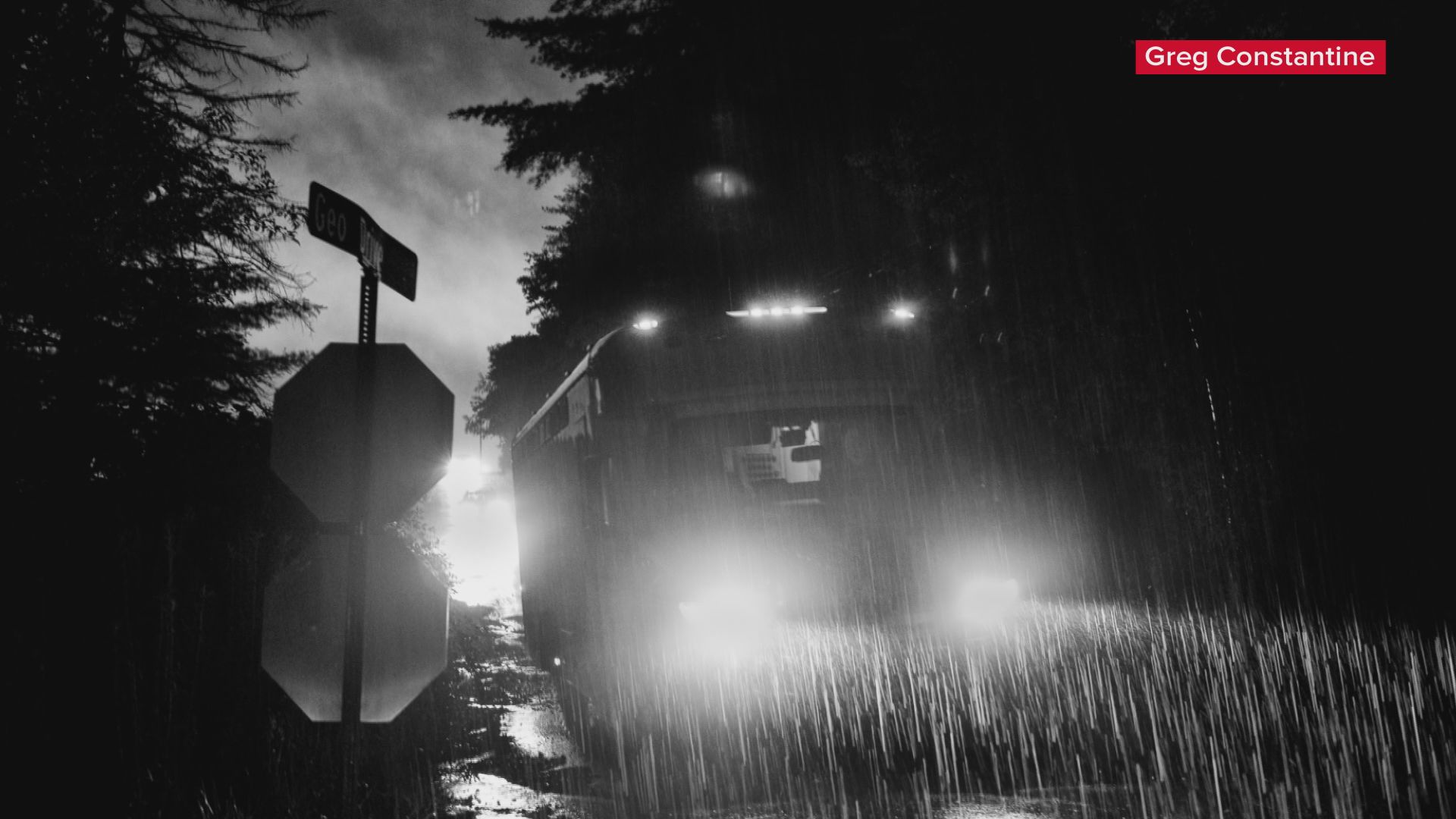
Through his powerful storytelling and poignant imagery, Greg Constantine reveals the human cost of current immigration policies, shedding light on the often-ignored realities faced by communities outside major urban centers. His work serves as a critical reminder of the broader societal implications inherent in the enforcement of these policies.








