

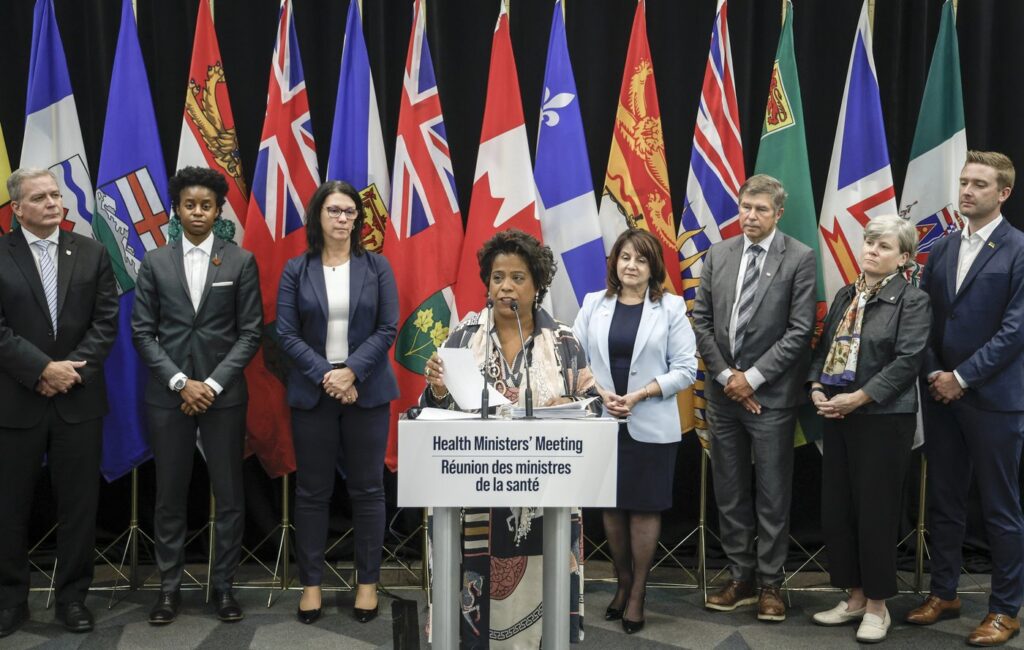
The federal government of Canada has announced an extension of funding to provinces and territories for mental health, addictions, and home care services for another year. This initiative aims to address ongoing concerns related to health care and to ensure continued support in these critical areas.
Health Minister Marjorie Michel revealed in a social media post that the funding extension amounts to $1.2 billion. This decision comes in response to mounting pressure from provincial health ministers, who have voiced their apprehensions regarding potential severe impacts on patients and the health care workforce if the federal funding agreements are not renewed as part of this year's budget.
Concerns regarding the funding agreements stem from a broader dialogue about the future of the Canada Health Transfer, which is essential for provinces and territories to maintain and improve their health care systems. Earlier this month, provincial and territorial leaders signaled their worries about sustaining quality health services should the financial support be disrupted.
The federal budget, which is expected to outline financial allocations for health care and other key areas, will be tabled later this fall. Health Minister Michel's announcement is seen as a timely intervention in light of these discussions, emphasizing the federal government's commitment to supporting health care systems across the country.
In terms of next steps, provincial and territorial health ministers are scheduled to convene on Thursday in Winnipeg. Health Minister Michel is set to co-chair a subsequent meeting on Friday, where ongoing challenges and strategies to enhance health care delivery will likely be focal points of discussion.
This extended funding represents a crucial lifeline as health systems continue to grapple with the effects of the COVID-19 pandemic and a growing demand for mental health and addiction services. The federal government’s decision may alleviate some of the immediate concerns expressed by health leaders and help ensure that vital services remain accessible to Canadians.








