

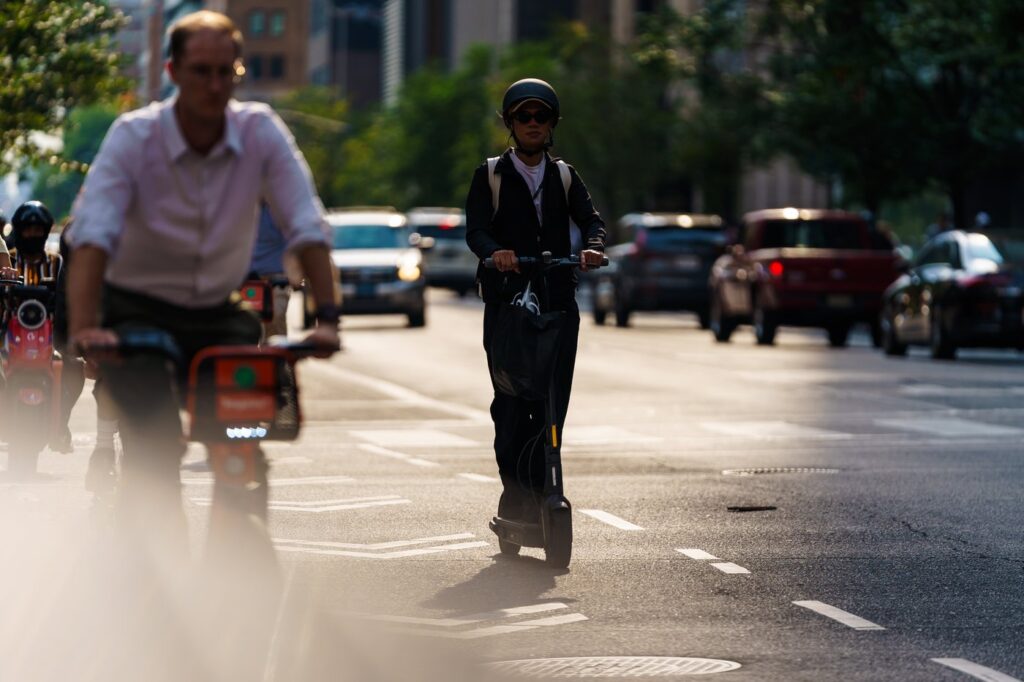
E-bikes and e-scooters are rapidly gaining popularity across North America, marking a significant shift in urban transportation methods. However, their rise comes with an array of criticisms, primarily focused on safety concerns, user etiquette, and the absence of regulation. Key stakeholders are being urged to address these issues as cities adapt to the increasing prevalence of micromobility solutions.
In a recent discussion, host Maria Kestane engaged with Ahmed El-Geneidy, a distinguished professor at McGill University’s School of Urban Planning, to explore the factors contributing to the surge in micromobility options. The conversation aimed to dissect not only the popularity of e-bikes and e-scooters but also the necessary infrastructure that various provinces need to implement in order to ensure the safety of riders and pedestrians alike.
One of the primary concerns highlighted by El-Geneidy is the need for comprehensive urban planning that accommodates the growing number of e-bikes and e-scooters on the streets. He emphasized that without proper infrastructure—such as dedicated bike lanes and secure parking options—safety risks could escalate. Riders often share the road with vehicles, leading to potential accidents and conflicts, particularly in cities where micromobility has not yet been fully integrated into the transportation ecosystem.
Moreover, El-Geneidy touched upon the issue of user behavior and etiquette that often accompanies the use of e-bikes and e-scooters. Many riders may not have received formal training or education on safe riding practices, contributing to reckless behaviors that endanger both themselves and others. As part of the conversation, he voiced the importance of community awareness and education campaigns to promote responsible use of these vehicles.
Another aspect discussed was the regulatory framework surrounding micromobility. Currently, the regulations can vary widely from one province or city to another, which complicates the landscape for users and city planners alike. El-Geneidy suggested that uniform regulations might be beneficial in establishing clear guidelines for users, including age restrictions, speed limits, and licensing requirements. Such measures could help mitigate risk and increase accountability among riders.
Responsibility was another focal point in the talk when discussing what happens when micromobility issues arise. El-Geneidy highlighted that determining liability can often be complex, especially when accidents involve pedestrians. This raises questions about accountability, particularly concerning manufacturers, city governments, and riders themselves. Developing a clear understanding of who bears the responsibility in the event of an accident is critical in fostering a safer environment for all users.
The conversation provided valuable insights into how cities and provinces should proactively address the challenges posed by the rise of e-bikes and e-scooters. As the popularity of these micromobility options continues to grow, so does the urgency to implement effective measures that prioritize safety, education, and proper infrastructure. By taking these steps, urban areas can adapt to changing transportation trends while ensuring that all road users feel secure and respected on the streets.
This discussion exemplifies the critical balance that needs to be struck between encouraging innovation in transportation and ensuring that necessary precautions are in place to protect the community as a whole.
You can subscribe to The Big Story podcast on Apple Podcasts and Spotify.








