

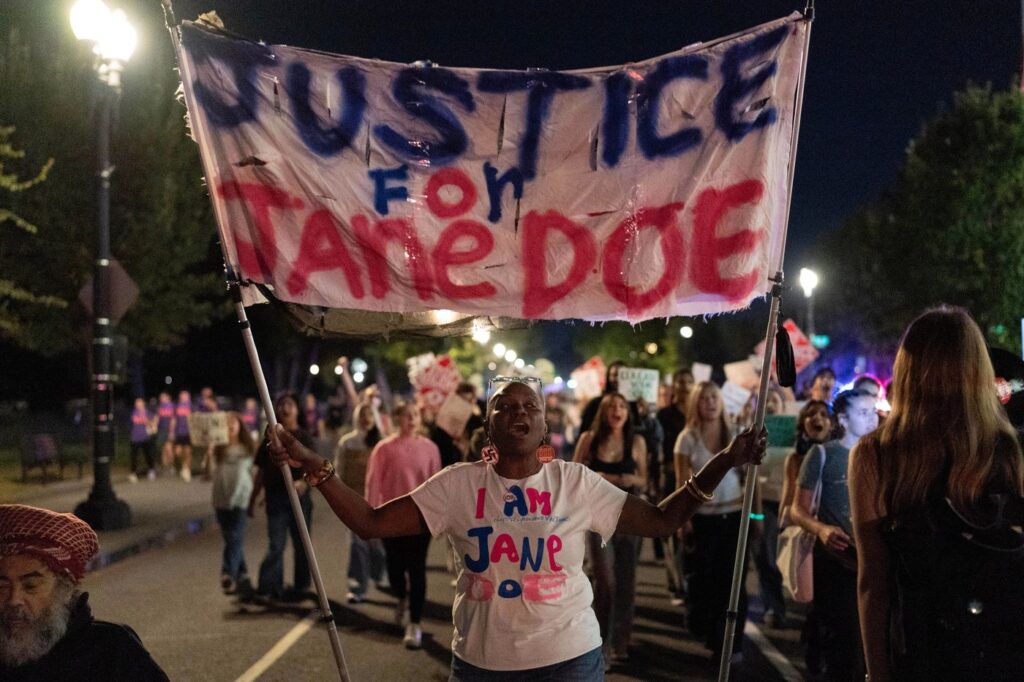
Cornell University has announced significant changes to its approach to fraternity life and sexual misconduct on campus following serious allegations of a sexual assault experienced by a female student at a fraternity house in 2024. The decision comes amid growing public outrage regarding the institution's handling of such allegations.
The university's president, Michael Kotlikoff, outlined the measures, which include suspending all fraternity parties and social events at Interfraternity Council houses through the end of the 2026-27 academic year. This also introduces a new "zero tolerance" policy for violations, mandating that any infractions will lead to immediate emergency suspension of the involved fraternity chapter.
Kotlikoff emphasized that these actions aim to provide adequate time for a thorough review of fraternity activities at Cornell to assess how they can be conducted safely in the future. He mentioned plans to initiate dialogues with students and faculty experts regarding the creation of safe social alternatives to current Greek life party culture. The university is also committing financial resources to support these initiatives, indicating a proactive approach toward reform.
Moreover, the president has pledged to enhance support for those affected by sexual misconduct. This includes the addition of a case manager in the school's Office of Civil Rights to assist students in navigating the reporting process. In a notable shift, Cornell will collaborate with the New York State Police to investigate allegations of sexual assault rather than relying solely on its campus police department, which has law enforcement authority but operates under direct university control.
Historically, investigations of crimes on Cornell's campus have been the responsibility of the campus police. However, concerns have been raised regarding their independence and the effectiveness of their investigations, particularly since they investigated the 2024 gang rape allegations and subsequently presented findings to the local district attorney, who opted not to pursue charges. In response to public outcry over the lack of prosecution, New York's governor intervened, removing the district attorney from the case earlier this month.
Current oversight for this investigation has transitioned to New York Attorney General Letitia James, while Cornell has retained former Deputy U.S. Attorney General Sally Yates to conduct an independent review of the university's response to the allegations. The involvement of New York State Police in major crime investigations provides specialized expertise that small municipal forces may lack.
President Kotlikoff acknowledged that the issue of sexual violence is not limited to fraternity houses, emphasizing that Cornell must also address broader campus culture issues, such as excessive alcohol and drug use. He highlighted the importance of educational programs aimed at fostering a sense of responsibility among students to intervene when they witness risky situations involving peers.
In addition to the reported measures, Cornell intends to increase the number of victim advocates and expand existing sexual violence prevention programs. This includes educational efforts that encourage bystander intervention, which Kotlikoff regards as essential to fostering systemic change within the campus culture.
He concluded by reaffirming the university's commitment to implementing all necessary actions to address not only the specific incident related to the female student known as Jane Doe but also the broader challenges faced by survivors of sexual violence on campus.








