

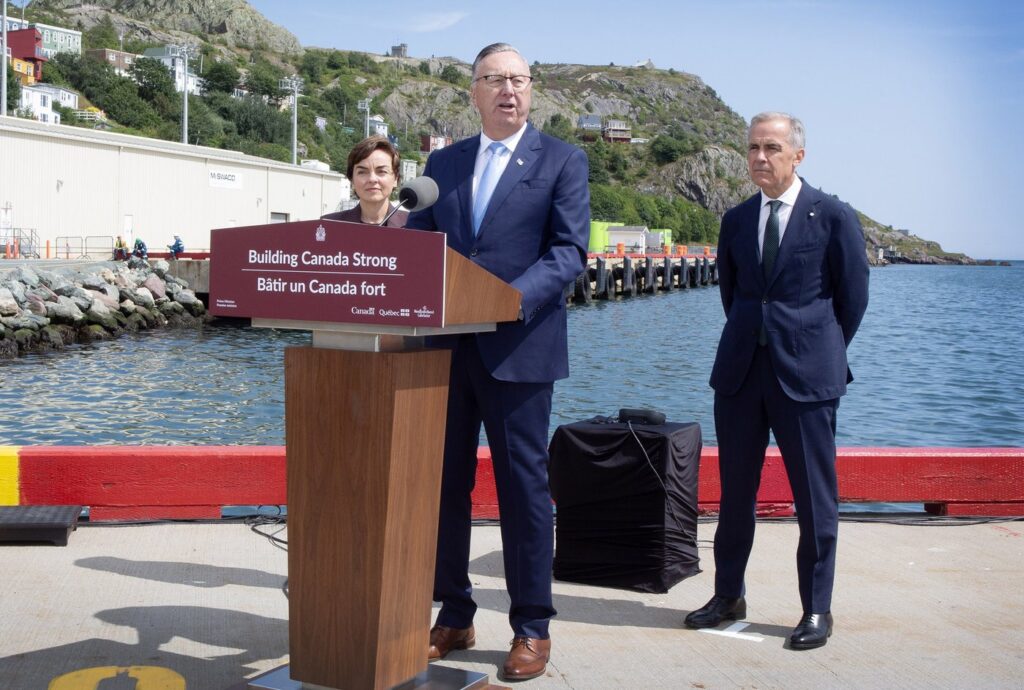
Newfoundland and Labrador and Quebec have recently unveiled a significant energy agreement, facilitated by the federal government, aimed at replacing the contentious 1969 deal along with an intricate Memorandum of Understanding (MOU) set for 2024. Under the terms of the new agreement, Quebec is set to pay Newfoundland and Labrador an initial rate of 1.8 cents per kilowatt-hour. This rate is projected to increase incrementally over the next 50 years, ultimately peaking at 7.4 cents per kilowatt-hour.
Despite the announcement of this landmark deal, it remains unsigned, largely due to the impending Quebec election and the lack of approval from Indigenous communities in both provinces. This uncertainty raises questions about the future viability and acceptance of the agreement.
In an effort to shed light on the complexities and significance of this deal, host Maria Kestane engages with François Bouffard, a professor of electrical engineering at McGill University. During their conversation, Bouffard delves into the historical context that has led to this agreement, as well as its potential implications for both Newfoundland and Labrador and Quebec.
The discussion highlights that this new agreement is not just an energy transaction but a crucial step towards addressing long-standing grievances related to energy distribution and compensation. The 1969 deal has faced widespread criticism over the years, and the signing of a new contract signals a potential turning point for cooperation and mutual benefit between the provinces.
As the deal stands, it aims to provide a more equitable framework for energy sharing that considers the economic and environmental impacts on both regions. The gradual increase in pricing over five decades also suggests a long-term planning perspective, aiming for stability and predictability in energy costs.
However, with the backdrop of a Quebec election on the horizon, political dynamics may influence the negotiations and the finalization of the agreement. Additionally, the absence of consent from Indigenous communities adds another layer of complexity, highlighting the need for inclusive dialogue in matters that significantly affect land rights and resource management.
The conversation between Kestane and Bouffard is part of The Big Story podcast, which seeks to explore and clarify current events and issues affecting society. The podcast invites listeners to engage with timely topics and gain insights from experts across various fields.
For those interested in keeping up with developments related to this energy agreement and other pertinent issues, The Big Story podcast is available on multiple platforms, including Apple Podcasts and Spotify.
In summary, this energy deal marks a critical moment for Newfoundland and Labrador as well as Quebec, with its future hinging on political, social, and environmental factors.








