

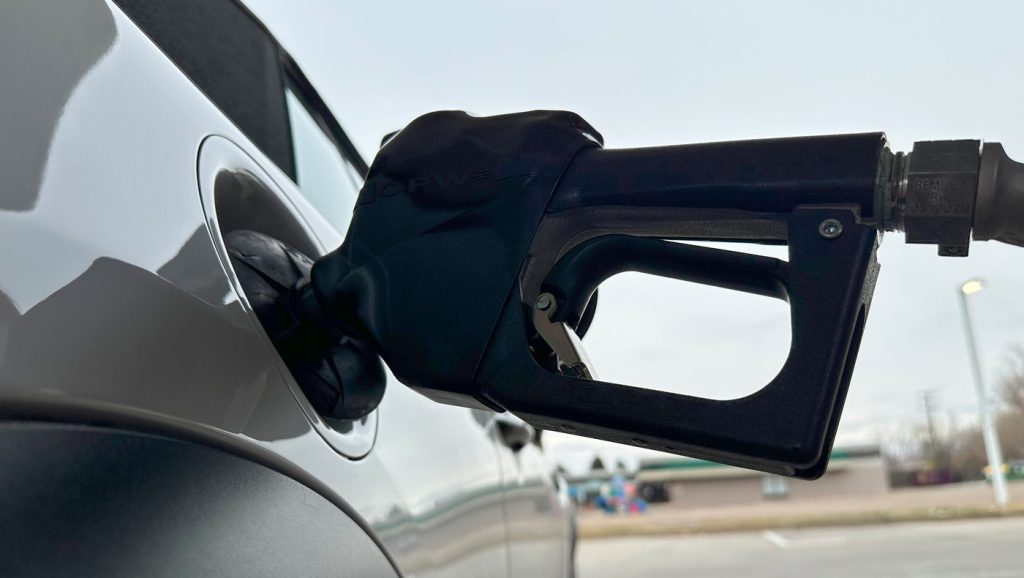
Gas and diesel prices have seen a slight increase, though the changes are minimal compared to the significant double-digit spikes experienced in previous weeks. Recent reports reveal that diesel prices across Nova Scotia rose by 3.0 cents, reaching 241.6 cents per litre, as stated by the Nova Scotia Energy Board. Similarly, gasoline prices experienced a larger surge of 4.4 cents, now averaging 185.8 cents per litre.
This month, the fluctuations in gasoline prices have mirrored the trends seen in diesel, alternating dramatically due to ongoing geopolitical tensions, particularly between the United States and Iran. The volatility in fuel prices can be attributed to the continuing instability in the Middle East, which has kept market rates elevated.
The latest on the conflict in the Middle East
The conflict escalated further following a deal that U.S. President Donald Trump signed in June 2026 at Versailles, which aimed to establish a 60-day deadline for resolving the ongoing conflict with Iran and reaching a comprehensive agreement regarding its nuclear program. However, despite the deadline having passed on August 17, diplomatic progress appears stagnant, with both parties seemingly further apart than before.
Efforts to resume talks have been limited, focusing primarily on two critical issues: reopening the Strait of Hormuz and lifting the U.S. blockade on Iran. These subjects were central to the interim agreement but have yet to show signs of resolution. There remains a palpable absence of compromise, with detailed nuclear discussions not even having commenced as tensions linger.
The United States currently finds itself in a challenging position, having initiated the conflict alongside Israel without viable options for exit. Complying with Iran's recent demands would effectively grant Tehran control over a vital international waterway responsible for transporting a significant share of the world’s traded oil and gas prior to the war—an outcome that could be perceived as a capitulation for the U.S.
Moreover, escalating the already unpopular war could deplete U.S. military resources, including advanced missile interceptors, and have detrimental effects on the global economy by driving gas prices higher, particularly ahead of upcoming congressional elections.
With both the U.S. and Iran firmly entrenched in their respective positions, neither side is showing signs of yielding, leaving the situation precarious and unresolved.
Information from various sources has been compiled for this report.








