

OTTAWA — The United States is set to impose a 50 percent tariff on a broad range of Canadian exports beginning Saturday, after failing to reach a new agreement before a deadline established by President Donald Trump.
In July, Trump initiated the threat of new tariffs as a means to pressure Canada into addressing various trade issues perceived as problematic by the U.S. These concerns include provincial restrictions on alcohol imports, tariffs on certain American-made automotive exports, and quotas affecting tariff-free U.S. dairy exports.
The ongoing federal auto tariffs and alcohol prohibition policies were established as a reaction to Trump's initial tariffs imposed on Canada in 2025. The new U.S. tariffs were originally scheduled to commence on August 19; however, Trump postponed the implementation by three days to facilitate further discussions aimed at culminating in a trade agreement.
However, late Friday night, both Canadian Prime Minister Mark Carney and U.S. Trade Representative Jamieson Greer announced that the negotiations had ceased, with no deal finalized.
The impending tariffs will be applied to approximately five percent of all Canadian exports to the United States, equating to around $28 billion annually. These tariffs are categorized under three executive orders, each addressing themes related to motor vehicles, dairy products, and alcohol. Yet, the specific items listed under each of President Trump’s tariff orders are more extensive and not strictly limited to those categories.
The Dairy Order:
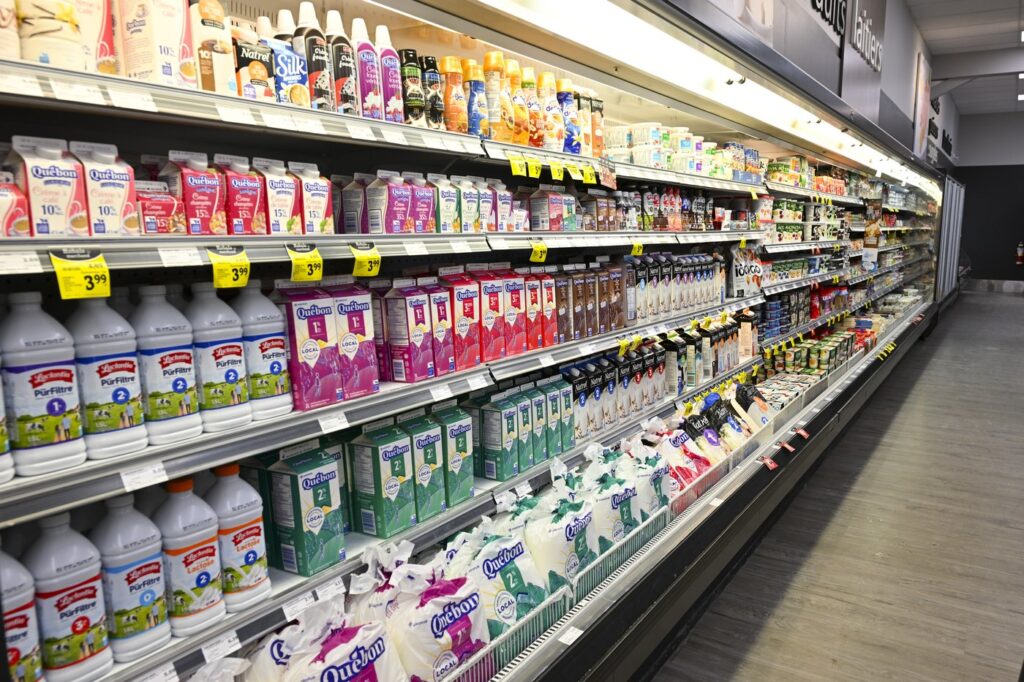
The new measures will include tariffs on products such as milk and cream, whey and milk protein concentrates, including casein, as well as bones and horn-cones. Furthermore, items like lactose, glucose, fructose, blended syrups, cane molasses, and non-alcoholic beer will be subjected to these tariffs. Additional products affected under this order include essential oils of peppermint.
The Alcohol Order:
This order encompasses a variety of alcoholic beverages, such as beer, wine, liquor, cider, and other fermented drinks. Other items include essential oils of grapefruit, certain wooden items like tableware, wooden articles of furniture, and various bamboo products. Notably, ice hockey and field hockey equipment, excluding balls and skates, as well as grease-proof paper, will also be affected.
The Motor Vehicles Order:
Under this order, several items will be subject to tariffs, including natural honey, down feathers, and various animal parts like tortoise shell and whalebone. Additionally, dormant flower buds such as tulips, live orchids, and mushroom spawn will fall under this category, as will a range of seeds and other plant parts. The tariffs extend to numerous consumer goods, including makeup preparations, synthetic paints, and various types of household and office supplies. Industries ranging from textiles to electronics will be impacted, including items like smartphones, cameras, motor vehicles with larger engine capacities, and a wide selection of toys and sporting goods.
The extensive list of products named under these tariffs illustrates a broad initiative by U.S. authorities to address perceived trade imbalances with Canada. Both countries are grappling with significant trade disputes, and the ramifications of these tariffs are expected to further complicate economic relations moving forward. With both nations having been unable to broker a new agreement, heightened tensions in trade are anticipated, with uncertain results for businesses and consumers alike.








