
Recent incidents across Europe have raised alarm bells as bomb threats and cyberattacks disrupt several facets of daily life, from newsrooms to transportation hubs and educational institutions. Though all the bomb threats turned out to be hoaxes, they created significant disturbances. Flights were delayed or canceled, and numerous schools were evacuated, impacting thousands of people. This wave of false alarms has not only stressed law enforcement and emergency services but also generated a public frenzy, prompting questions about safety and security in common spaces.
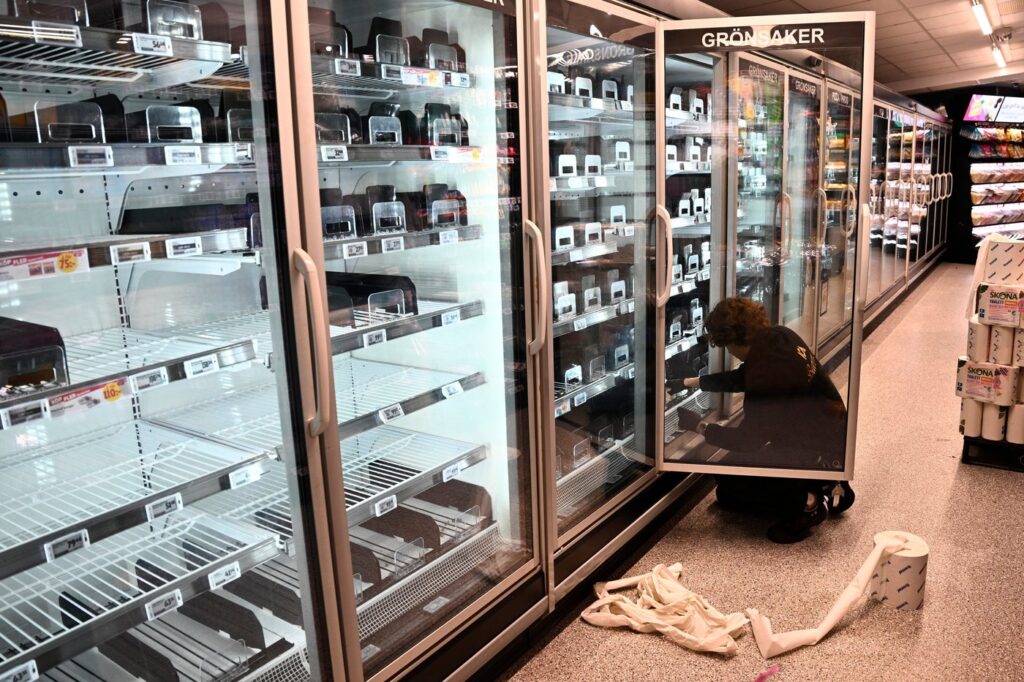
In a related yet distinct incident, a cyberattack affected supermarket refrigeration systems in at least a dozen European countries, leading to spoilage of unknown quantities of food. This attack not only raised concerns about cybersecurity but also about food safety and supply chain integrity across Europe. The simultaneous occurrence of these two types of disruptions begs the crucial question: Are they interconnected, and if so, who is behind them and what are their motives?
To delve deeper into these pressing issues, host Caryn Ceolin engages with Stefano Pozzebon, an international correspondent for CNN based in Rome. Their discussion encompasses the origins of these incidents and the implications they hold for Europe. Pozzebon shares insights into how the situation has escalated, scrutinizing the potential for these events to be part of a coordinated attack—possibly indicative of a more extensive threat landscape facing European nations.
As they navigate through this complex scenario, they pose critical questions about the nature of the threats and how prepared Europe is to defend itself. Pozzebon emphasizes the importance of understanding the technological and societal factors that could enable or mitigate such attacks. He elaborates on the responses from both governments and private entities in reinforcing cybersecurity measures and ensuring public safety. The need for people to remain vigilant while also being informed about the realities of security threats is stressed throughout their conversation.
The discussion also highlights the psychological impact of such threats on the public. Even in instances where the threats are later identified as hoaxes, the ramifications can have lasting effects on community trust and overall morale. This factor complicates the narratives surrounding safety and fear, causing individuals and institutions to grapple with the fine line between vigilance and paranoia.
Moreover, the conversation sheds light on the technological vulnerabilities that may have been exploited in the attacks on supermarket refrigeration systems. As dependency on technology increases, so too does the potential for hardware and software to be compromised. Ponzebon delves into what these incidents reveal about the readiness of critical infrastructures across Europe to withstand cyber threats.
Listeners are encouraged to engage with the information presented in the podcast and consider the implications these events have not only on immediate circumstances but on broader societal and infrastructural stability. The conversation invites a more comprehensive understanding of modern threats and the proactive measures necessary to safeguard against them. This analysis offers a multi-dimensional view of what is becoming an increasingly complex landscape of security and public trust in Europe.
For those seeking further insights, the complete discussion is available through The Big Story podcast, where you can subscribe via Apple Podcasts or Spotify.