

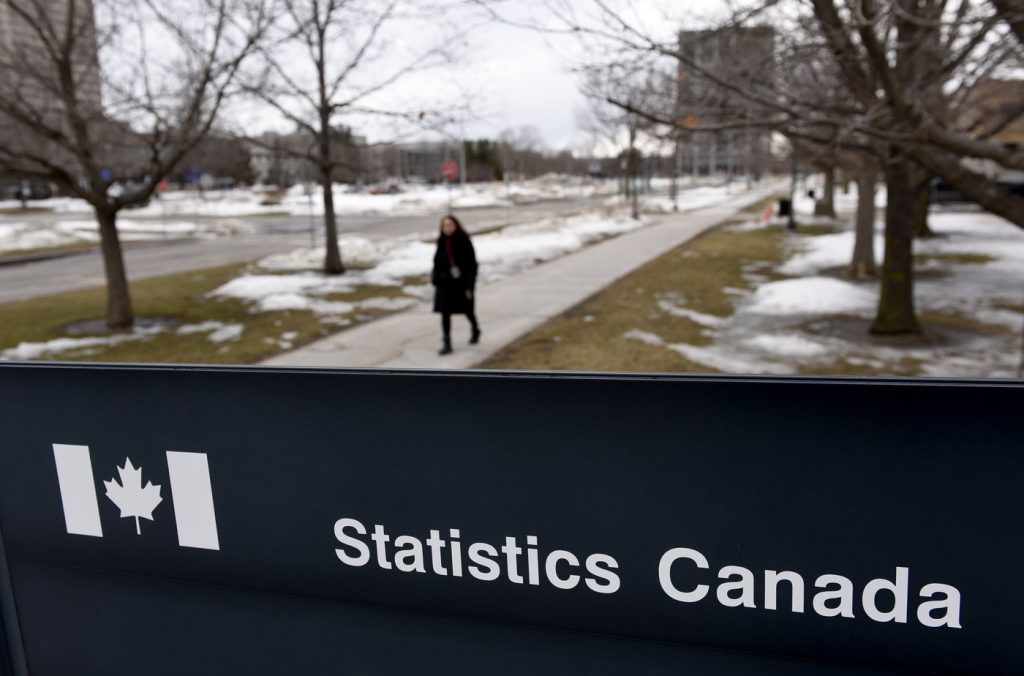
The annual inflation rate in Canada remained steady at 3.1 percent in October 2023, according to Statistics Canada. This consistency in the rate comes as higher costs for essential items such as gas, groceries, and clothing were balanced out by cheaper cell phone plans and more gradual growth in rent prices.
The inflation figures slightly fell short of economists' expectations, which were set at 3.2 percent. Gasoline prices continue to play a significant role in the overall inflation, with a year-over-year spike of 30.9 percent in October, compared to an increase of 27.8 percent in September. This acceleration is influenced by ongoing geopolitical tensions in regions like the Middle East and Ukraine, which have impact on oil supply and prices.
Statistics Canada indicated that the higher gas prices may be partly attributed to a decrease in the crude oil prices observed in October 2023. Interestingly, month-over-month prices fell by 2.5 percent during the same period, indicating some volatility within the energy sector.
When energy costs are excluded, inflation showed a slight decline to 2 percent in October from 2.1 percent the previous month. This indicates a distinction between energy-driven inflation and other consumer goods, shedding light on the varied factors influencing price changes.
Canadians are also confronting rising prices in grocery stores, with the cost of food purchased from retail outlets accelerating to 2 percent year-over-year in October. This marks a noteworthy shift after four months of slower price growth. For instance, fresh vegetable prices increased by 1.4 percent in October after witnessing a 2.9 percent decline in September. Moreover, condiments, spices, and vinegars saw a rise of 2.6 percent.
The grocery prices have climbed significantly over the past years, with Statistics Canada reporting a staggering 31.9 percent increase when comparing October 2020 to October 2023. This trend underscores the ongoing challenges consumers face in managing household budgets.
In addition to grocery expenses, clothing prices experienced an upward trend, rising by 1.8 percent in October. Women’s clothing saw the most significant increase at 2.2 percent year-over-year, while men’s clothing rose by 1.4 percent. These clothing prices surged by 3.4 percent month-over-month in October, which constitutes the largest monthly increase since September 2019. The rising clothing prices are correlated with escalating shipping costs that have been experienced industry-wide.
Regionally, in Ontario, natural gas prices increased by 3 percent year-over-year in October, a sharp contrast to the 18.7 percent decline observed in September. This fluctuation indicates the ongoing volatility in the energy market and its direct effects on consumers in that province.
This comprehensive overview illustrates the complex dynamics of inflation in Canada, highlighting the dual pressures of rising costs for essential items against certain offsets in other categories such as technology services and rent. As consumers continue to navigate these financial challenges, the impacts of inflation are being felt across various sectors of the economy.