

HALIFAX – A $400,000 settlement has been approved in a class action lawsuit involving members of a Nova Scotia First Nation who were allegedly subjected to MRI scans without providing informed consent. The settlement was officially sanctioned by the Nova Scotia Supreme Court on Friday, as announced by McKiggan Hebert Lawyers.
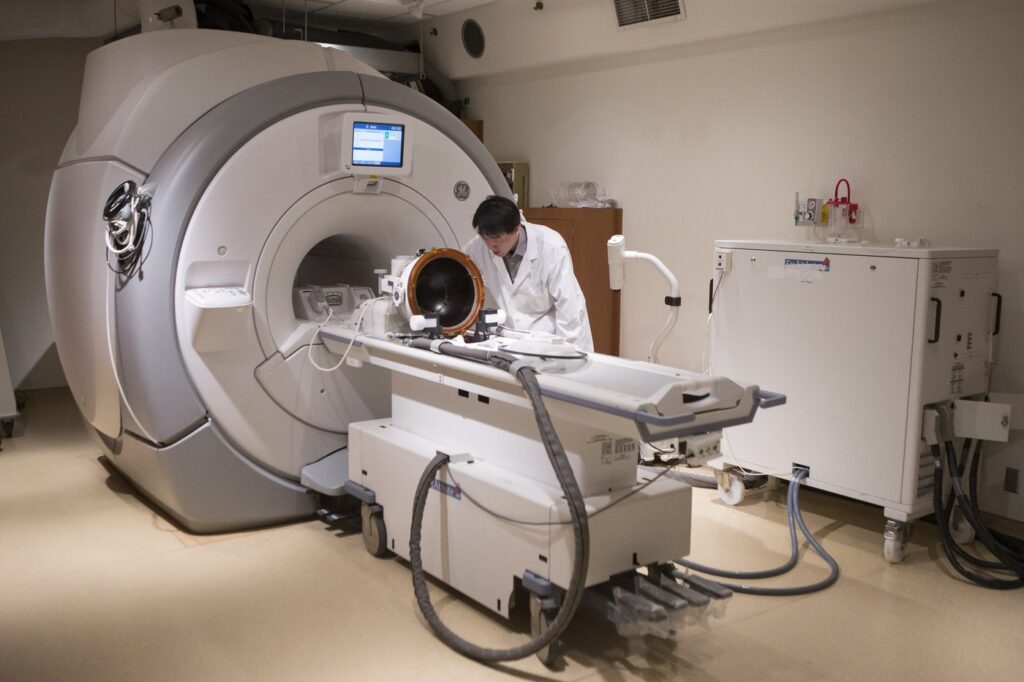
The class action lawsuit claimed that two Halifax doctors conducted magnetic resonance imaging (MRI) scans on approximately 60 individuals from the Pictou Landing First Nation without their awareness or permission. According to the statement of claim, the band members believed they had consented to undergo MRI scans solely for a research project in 2017. However, they were reportedly subjected to additional "secret" MRI scans of their livers for a separate study, which they were not informed about.
None of the allegations in the lawsuit have been proven in court, and the defendants, radiologists Robert Miller and Sharon Clarke, have denied all accusations against them. Brian Hebert, the lawyer representing the plaintiffs, stated that the settlement brings closure to a protracted ordeal for the members of the Pictou Landing First Nation. He emphasized the lawsuit's role in raising awareness about the imperative of full disclosure and informed consent when conducting health research with Indigenous participants. He urged researchers to learn the appropriate protocols for obtaining such consent, warning them against neglecting these responsibilities. Hebert also highlighted that the lawsuit sends a clear message of resilience from the Pictou Landing First Nation.
The lawsuit alleged multiple charges against the doctors, including invasion of privacy, recklessness, and causing distress and anguish. Additionally, they were accused of negligence, unlawful imprisonment, and assault and battery for allegedly keeping participants inside the MRI machine longer than necessary. The lawsuit further claimed that the doctors failed to inform participants of serious health issues discovered in the scans.
A lawyer representing the two doctors opted not to comment on the matter. The statement of claim noted that former chief Andrea Paul was among the affected Pictou Landing band members subjected to the MRIs. It asserted that the MRI scans produced intimate medical information about Paul’s body without her knowledge or consent, accusing the treatment of being motivated by her Mi'kmaq heritage.
According to the lawsuit, Paul experienced feelings of discrimination, resulting in a significant loss of dignity and self-esteem due to these events. The situation sheds light on the historical context of Indigenous people in Canada being subjected to medical treatments and research without their consent, highlighting the ongoing issues of consent and ethical research practices.
This case represents a significant step forward in recognizing the rights of Indigenous communities within health research frameworks and emphasizes the necessity for ethical standards that respect the dignity and autonomy of all participants involved.








