

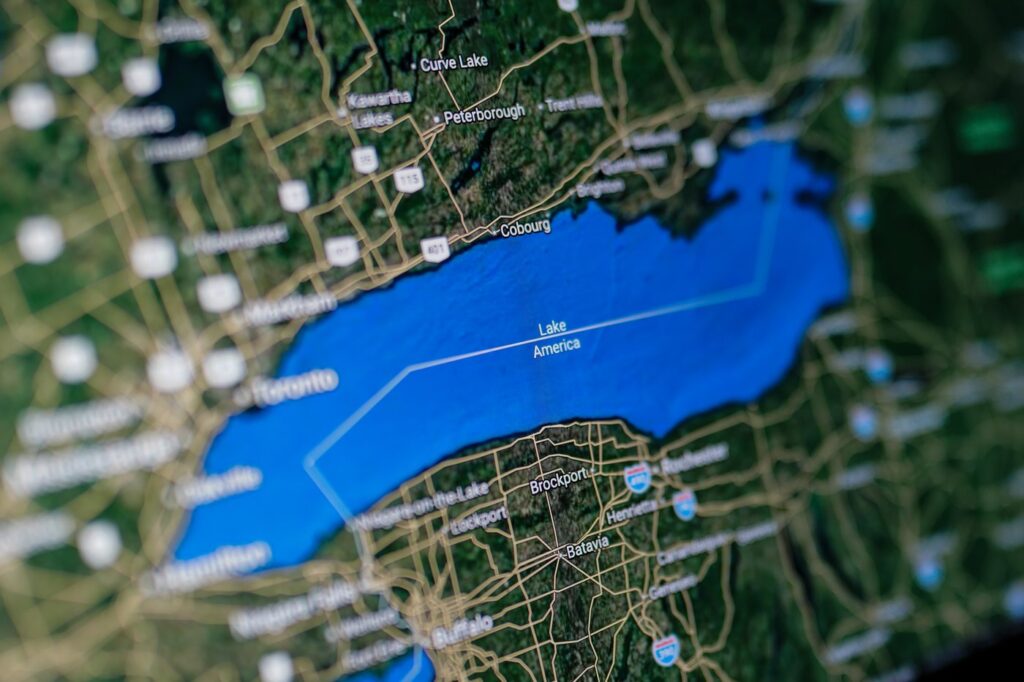
OTTAWA – The National Congress of American Indians (NCAI) has publicly called on U.S. President Donald Trump to rescind his executive order from August, which proposed renaming Lake Ontario as Lake America. This controversial decision has sparked outrage among Indigenous communities, particularly those with historical ties to the region.
The NCAI, an organization that represents the tribal governments of American Indian and Alaska Native nations in the United States, asserts that the name change disrespects Indigenous geographic nomenclature and undermines the cultural, spiritual, and historical relationships that Indigenous peoples hold with their lands and waterways. The organization emphasizes the importance of preserving Indigenous heritage and names that carry significant meaning, lore, and history.
A resolution to reject the name change was passed during the organization's assembly in October, introduced by the Seneca Nation of Indians. This community, located in western New York, is particularly affected by the decision, as their cultural heritage is closely tied to the existing name of the lake. The Seneca language denotes Lake Ontario as “beautiful lake,” enriching the geographical designation with cultural significance.
In addition to the Seneca Nation, the Haudenosaunee communities—whose languages contribute to the roots of the name “Ontario”—have also expressed their discontent. In Wendat, for instance, the name translates to “the lake is beautiful, the lake is big,” further highlighting the inherent value of the name that reflects the identity and history of Indigenous peoples in the area.
The resolution passed by NCAI underscores the risks associated with unilateral decisions to rename geographical features, urging that such actions can lead to the erasure of Indigenous history and identity. The NCAI is advocating for the U.S. federal government to halt the use of the term "Lake America" and respect the longstanding names that have been used by Native communities for generations.
The backlash against Trump's executive order highlights broader issues concerning the representation and acknowledgment of Indigenous rights and history in the United States. Many advocates argue that renaming significant landmarks without consultation further perpetuates historical injustices against Indigenous populations.
In this context, the NCAI's resolution serves not only as a plea for respect for relevant Indigenous names but also as a call for greater sensitivity toward the cultural implications of such changes in nomenclature. The organization highlights the necessity for open dialogue and engagement with Indigenous communities in matters that directly affect their identities and histories.
As discussions surrounding the renaming of Lake Ontario unfold, the ongoing debate brings to light the need for a more inclusive approach to understanding and preserving the rich cultural heritage represented by Indigenous geographic names. The NCAI's position reflects a growing awareness and recognition of the importance of honoring and respecting the connections Indigenous peoples have with their ancestral lands and the names that embody their histories and stories.
In summary, the request from the National Congress of American Indians to revoke the change to Lake Ontario reinforces the commitment to honoring Indigenous identities and clarifies the need for respectful engagement with the histories that shapes American landscapes.








