

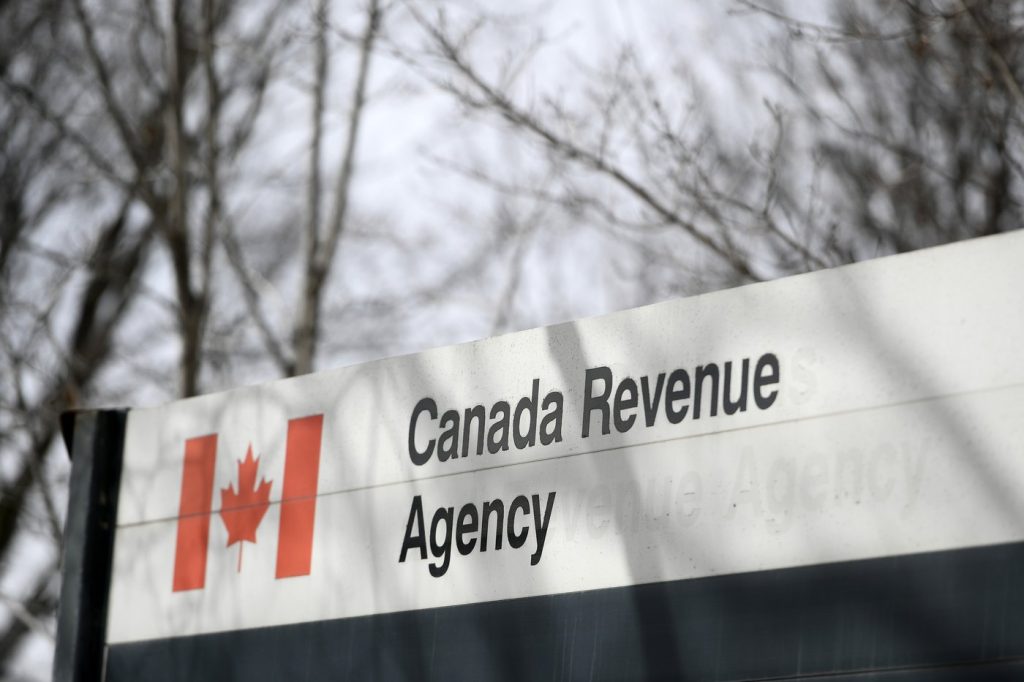
VANCOUVER – A former Canada Revenue Agency (CRA) employee, Yoan Zola, will serve his sentence in the community following his guilty plea to several criminal charges, including breach of trust and fraud-related offenses. The Royal Canadian Mounted Police (RCMP) announced this development after a comprehensive investigation that began in 2022, triggered by a CRA report indicating the compromise of taxpayer information by an employee.
Zola's legal troubles began when he was arrested in January 2026 in Vancouver, facing multiple serious charges. These included breach of trust, trafficking in identity information, identity theft, fraud under $5,000, fraudulent personation, and the use of a credit card obtained through crime.
During the court proceedings, Zola pleaded guilty in July of the same year to three charges: breach of trust, fraud, and trafficking in identity information. As a result, the remaining charges against him were stayed, indicating they will not be pursued at this time.
On November 10, 2026, Zola was sentenced to a conditional term of two years less a day for the charges of breach of trust and trafficking in identity information. Additionally, he received a concurrent conditional sentence of two months for the fraud charge. This means he will serve his sentence in the community, subject to court supervision requirements.
Staff Sergeant David Grey, a key figure in the RCMP’s Federal Policing Pacific Region's cyber and financial investigation team, emphasized the severity of Zola's actions. He stated that such misconduct erodes Canadians' trust in public institutions and the employees who have access to sensitive personal information. This underscores the importance of safeguarding governmental operations and maintaining the integrity of public service positions.
As this case unfolds, it raises significant concerns regarding data security within governmental agencies and the potential risks posed by individuals who hold positions of trust. The ramifications of Zola's actions serve as a reminder of the critical need for stringent oversight and monitoring of employee conduct, particularly in departments that handle confidential taxpayer information.








