

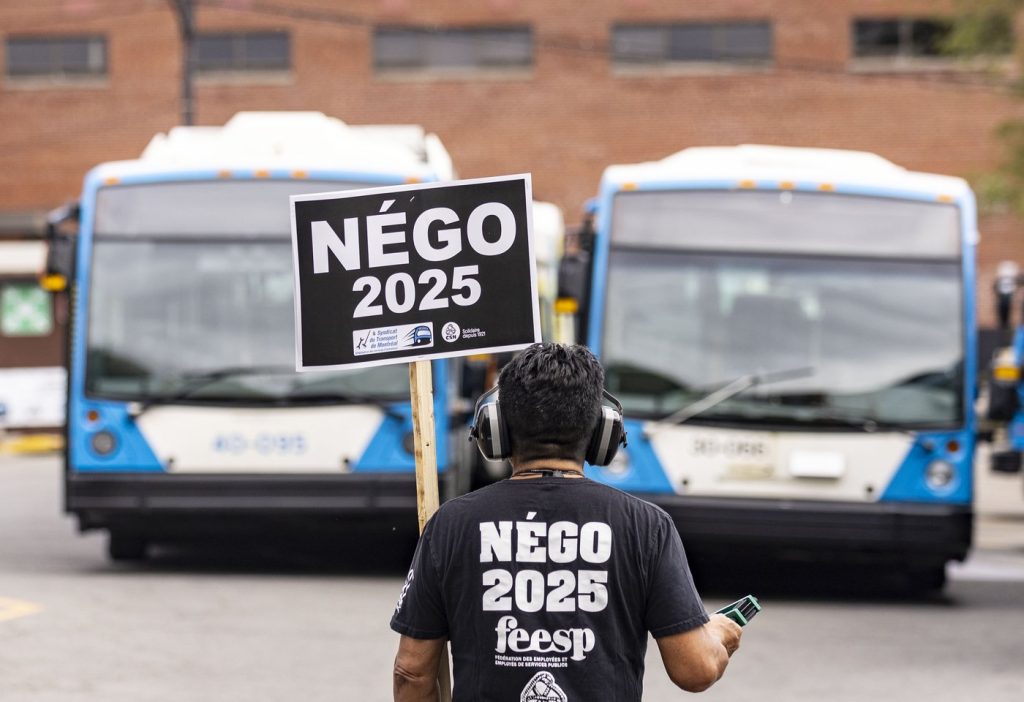
The second phase of strikes involving Montreal's public transit maintenance workers is nearing its conclusion, yet a resolution remains elusive. Approximately 2,400 workers initiated the latest strike on September 22, 2025, and it is set to conclude this weekend.
During the backdrop of this strike, which has lasted over two weeks, metro and bus services have been significantly restricted, operating only during rush hours on Mondays, Wednesdays, and Fridays. This limitation has undoubtedly affected the daily commutes of many Montreal residents who rely on public transportation for their travel needs.
In light of the ongoing situation, Quebec’s Labour Minister Jean Boulet has expressed intentions to engage in discussions with union leaders as well as representatives from the Société de transport de Montréal (STM). These talks aim to address the grievances prompting the strike and seek a path toward an amicable agreement.
The union representing the transit maintenance workers has signaled a potential for further escalation, threatening to initiate a third strike if their demands are not met. This would follow a prior strike that occurred between June 9 and June 17, 2025, highlighting ongoing tensions in negotiations between the workers and transit authorities.
Before any future walkouts can take place, Quebec's labour tribunal will need to review the union's proposals to maintain a minimal level of service. This review process is crucial, as it pertains to the legal frameworks governing strike actions and labor disputes in the province.
As the strike continues and the clock ticks down to the weekend, the uncertainty surrounding negotiations adds to the stress experienced by both workers and commuters alike. The outcome of Minister Boulet's upcoming meetings could play a pivotal role in determining the future of public transit services in Montreal.
With the clock ticking on this round of negotiations and the specter of another strike looming overhead, the stakes could not be higher for the transit maintenance workers and the commuting public, as both groups look for stability and resolution.








