

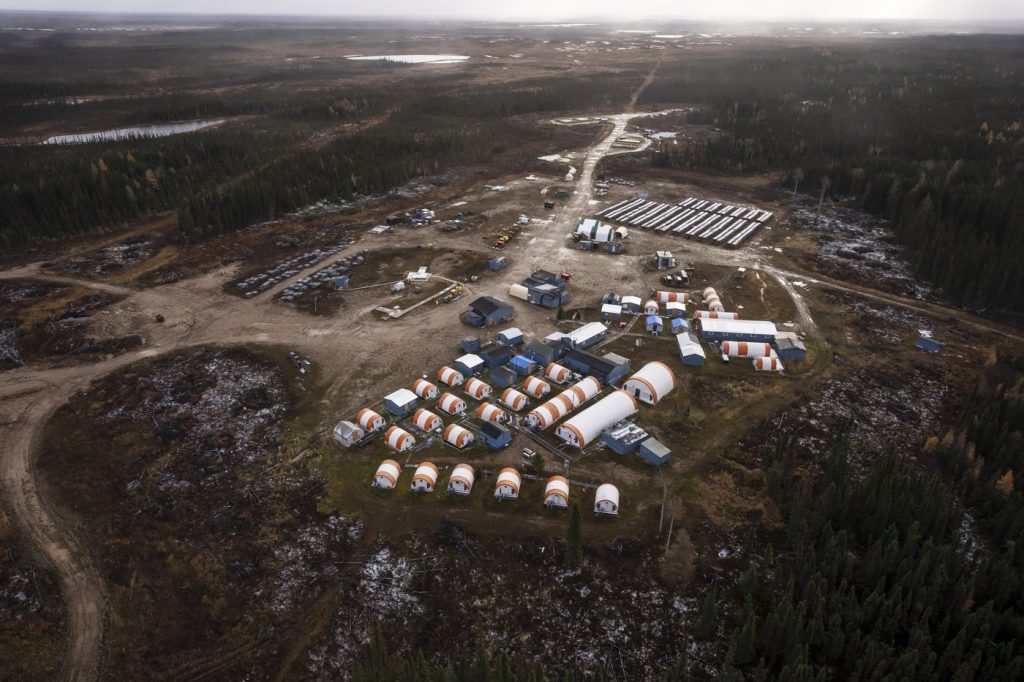
TORONTO – A proposed mining project in Ontario’s Ring of Fire region has navigated another regulatory challenge, despite ongoing protests from a local First Nation. The project, known as Wyloo’s Eagle’s Nest, will not be subject to a federal impact assessment, according to a decision from the federal government. This assessment is critical as it evaluates the potential environmental, health, social, and economic impacts of significant projects.
Terence Hubbard, president of the Impact Assessment Agency of Canada, stated that the government believes there are sufficient alternative measures in place to address the potential impacts of the Eagle’s Nest project. These include compliance with various federal and provincial laws that will be enforced during the project's development.
The Neskantaga First Nation has been vocal in its opposition to the mine, asserting that it would have devastating effects on its traditional territory, particularly concerning the Attawapiskat River and its tributaries. This waterway is essential for the community’s subsistence and cultural practices, making the preservation of the environment a paramount concern for the First Nation.
In an effort to facilitate the development of the mine and the necessary infrastructure to access this remote area of northern Ontario, the Ontario provincial government has entered into partnership agreements with two other First Nations: Webequie First Nation and Marten Falls First Nation. Both of these communities have actively engaged in the regulatory process, recently submitting provincial environmental assessments pertaining to two proposed roads that would link their territories to the Ring of Fire and ultimately to Ontario’s highway system.
The Ring of Fire is recognized for its rich mineral resources, including nickel, copper, and chromite, which are of significant interest to mining companies and the province's economy. However, the prospect of mining in this sensitive ecological area has intensified discussions about land rights, environmental protection, and the rights of Indigenous peoples.
While proponents of the mine argue it will generate jobs and economic opportunities in the region, opponents maintain that the environmental risks far outweigh the potential benefits. The complexities involving Indigenous rights and environmental stewardship are crucial points in the ongoing dialogue concerning the future of mining in the Ring of Fire.
This situation highlights the broader implications of resource extraction on Indigenous lands across Canada. As industrial projects move forward, understanding the unique perspectives and needs of local First Nations is essential in balancing economic growth with environmental and cultural preservation.
The development of the Eagle’s Nest project and associated infrastructure will continue to be monitored as various stakeholders engage in negotiations and advocacy efforts. The outcomes of these discussions will play a significant role in determining the future of mining in the Ring of Fire and the rights of Indigenous communities in the face of potentially disruptive development.
This report reflects the ongoing and often contentious nature of resource development in Canada, illustrating the delicate balance between economic interests and the rights of Indigenous peoples to protect their lands and heritage.








