

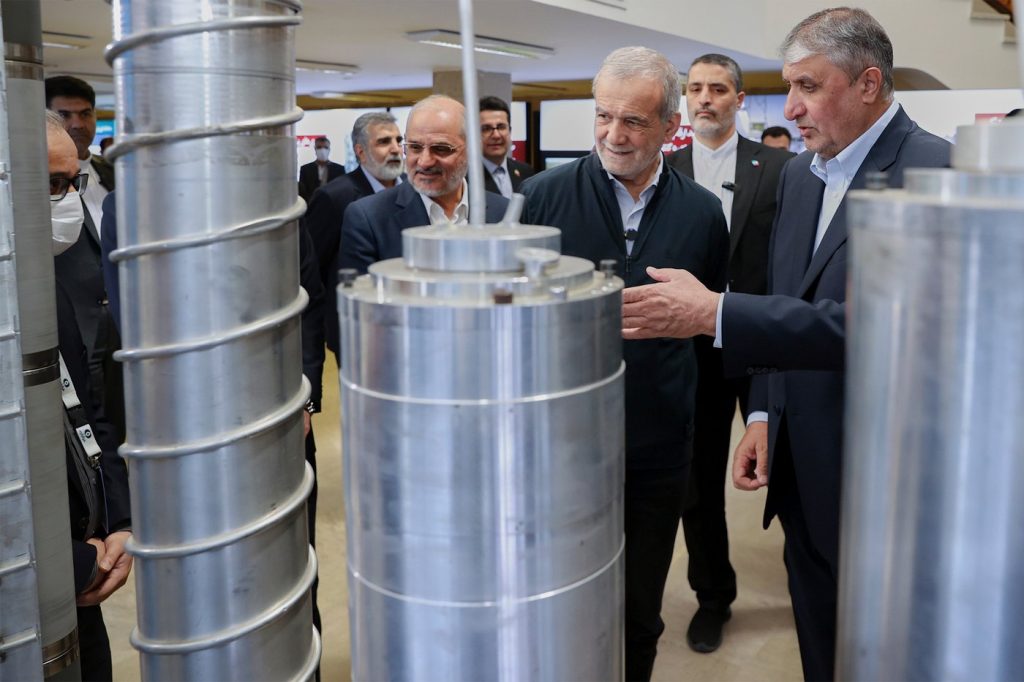
The ongoing tensions between Iran and the United States have reached a critical juncture, with new talks scheduled in Geneva regarding Tehran's nuclear program. This diplomatic effort coincides with the significant military presence of the U.S. in the Middle East, an initiative characterized by the largest fleet of warplanes and aircraft in decades under President Donald Trump’s administration. The backdrop for these negotiations includes widespread protests against Iran’s theocracy and increasing international scrutiny of its nuclear capabilities.
The timeline of Iran's nuclear program reveals a complex history starting in 1967 when Iran received the Tehran Research Reactor through the U.S.-led “Atoms for Peace” initiative. The situation intensified following the 1979 Islamic Revolution, which resulted in the seizure of the U.S. Embassy in Tehran and a subsequent halt in Iran’s nuclear activities due to international pressure. In August 2002, revelations about Iran’s secret Natanz nuclear facility pushed the issue onto the global stage, leading to various negotiations involving Western nations.
By October 2003, Iran agreed to suspend uranium enrichment. However, this was reversed in February 2006 when Iran, under newly elected president Mahmoud Ahmadinejad, resumed enrichment operations. The tumultuous political landscape continued to influence Iran's nuclear aspirations, evidenced by the 2009 controversial presidential election that led to protests. A significant development occurred in July 2015 when a historic nuclear agreement was reached, limiting Iran’s uranium enrichment in exchange for sanctions relief.
The nuclear deal faced a major setback when, on May 8, 2018, Trump unilaterally withdrew the U.S. from the agreement, deeming it ineffective. This led Iran to gradually withdraw from the deal starting May 8, 2019, amid suggested links to regional attacks attributed to Tehran. Tensions soared following events in early 2020, including the U.S. drone strike that killed Iranian General Qassem Soleimani, provoking retaliatory missile strikes from Iran against U.S. bases in Iraq.
Subsequent years witnessed ongoing negotiation attempts, especially during Biden's administration, but these efforts often stalled. Iran's uranium enrichment continued to escalate, reaching 60% purity by April 16, 2021, nearing weapons-grade levels. Notably, in June 2025, military conflicts erupted involving Iran and Israel, rooted in nuclear compliance issues, with direct attacks occurring as the U.S. also intervened in the hostilities.
The Iranian-Israeli conflict expanded further in early 2026 as Iran faced domestic unrest triggered by a plummeting currency, leading to widespread protests against the regime. Following a brutal response from security forces, international dialogues remained fraught with tension. On January 8, 2026, a nationwide wave of protests, sparked by calls from the exiled Iranian crown prince, highlighted public discontent with the Iranian government.
Amidst this backdrop of turbulence, the U.S. military presence intensified, culminating in incidents such as the downing of an Iranian drone by a U.S. fighter jet on February 3, 2026. By mid-February, indirect nuclear talks resumed in Oman and Geneva, with Iranian officials asserting their capability to close the Strait of Hormuz, critical for global oil transport, which added to the urgency of negotiations.
As negotiations continue, the geopolitical dynamics reveal a stalemate marred by military provocations and public unrest in Iran. The forthcoming dialogue between Iran and the U.S. presents both an opportunity and challenge, as each nation navigates the complexities of nuclear diplomacy against a backdrop of conflict and significant regional tensions.








