

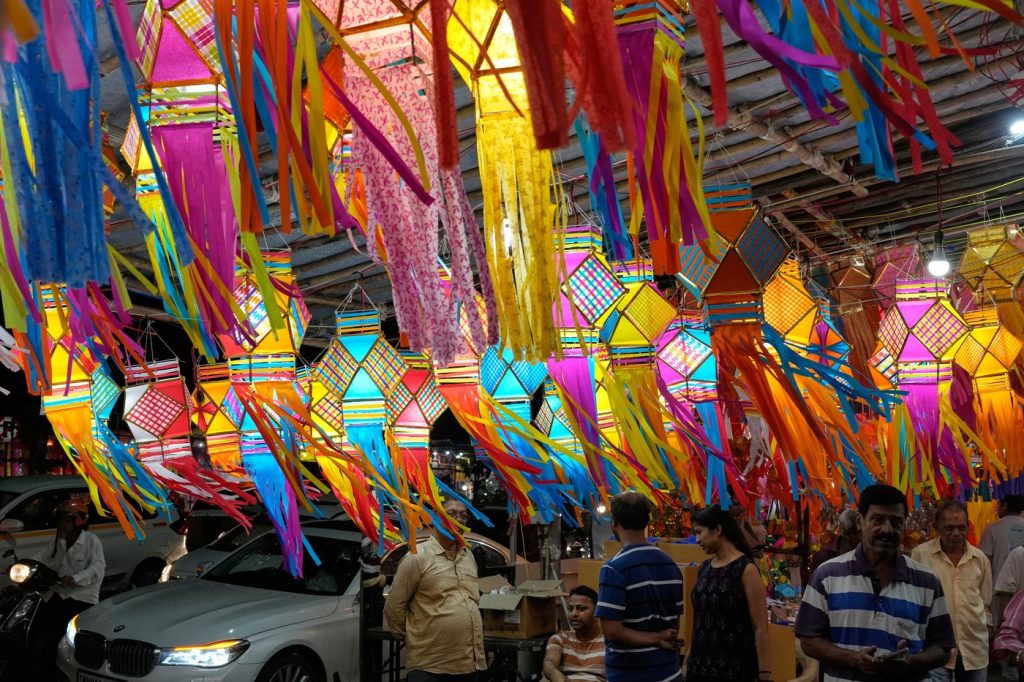
Diwali, also known as Deepavali, is one of the most significant festivals in India, particularly for Hindus. Celebrated by over a billion people across various faiths, including Sikhs, Jains, and Buddhists, Diwali spans five days filled with festive gatherings, fireworks displays, feasts, and prayers. The festival is intimately connected to the symbolism of light overcoming darkness, as celebrants illuminate their homes with rows of traditional clay oil lamps, representing the triumph of knowledge over ignorance.
Traditionally falling in late October or early November according to the Hindu lunar calendar, this year, Diwali is being celebrated on October 20. The festival's core theme revolves around the victory of good over evil, with various regional stories illustrating this principle. In southern India, for instance, Diwali commemorates Lord Krishna's defeat of the demon Naraka, who had tormented his people. In northern India, the festival marks the return of Lord Rama, his wife Sita, and brother Lakshmana from a 14-year exile, signifying their victory over the demon king Ravana.
Celebrations vary by region but universally include vibrant displays of lights, fireworks, and feasting. In southern India, one popular tradition is the early morning warm oil bath, symbolizing purification akin to that experienced in the holy River Ganges. Conversely, in northern India, devotees commonly worship the Goddess Lakshmi, who personifies wealth and prosperity. A popular custom during Diwali is gambling, rooted in the belief that those who gamble on Diwali night will enjoy prosperity throughout the year. Additionally, many families purchase gold on Dhanteras, the first day of Diwali, as a token of good fortune.
Fireworks are an indispensable part of Diwali celebrations, along with the exchanging of sweets and gifts among friends and family. The artistic tradition of rangoli, which involves creating geometric and floral patterns on the floor with colorful powders, is also prevalent. However, due to rising air pollution levels linked to fireworks, several northern states have implemented partial or total bans. Recently, the Indian Supreme Court permitted the sale of "green fireworks," which are believed to be less harmful to the environment.
Several faiths have their own unique interpretations of Diwali. Jains celebrate the day as the moment when Lord Mahavira, their last great teacher, attained nirvana—liberation from the cycle of birth and rebirth. Sikhs commemorate Bandi Chhor Divas, which coincides with Diwali and honors the release of Guru Hargobind from imprisonment by the Mughal emperor Jahangir. Meanwhile, Buddhists observe the festival in recognition of Emperor Ashoka's conversion to Buddhism during the third century B.C.
In 2025, California made headlines as it became the third U.S. state to declare Diwali an official statewide holiday, with the law set to take effect on January 1. This legislation allows public schools and community colleges to close for the day, empowers state employees to take a day off, and grants public school students an excused absence to celebrate the holiday, emphasizing its importance not only to Hindus but also to Sikhs, Jains, and Buddhists. Pennsylvania was the pioneering state to declare Diwali a statewide holiday in 2024, followed by Connecticut in 2025, and New York City’s public schools officially recognizing the occasion. Several school districts in New Jersey also acknowledge the day with a day off.








