

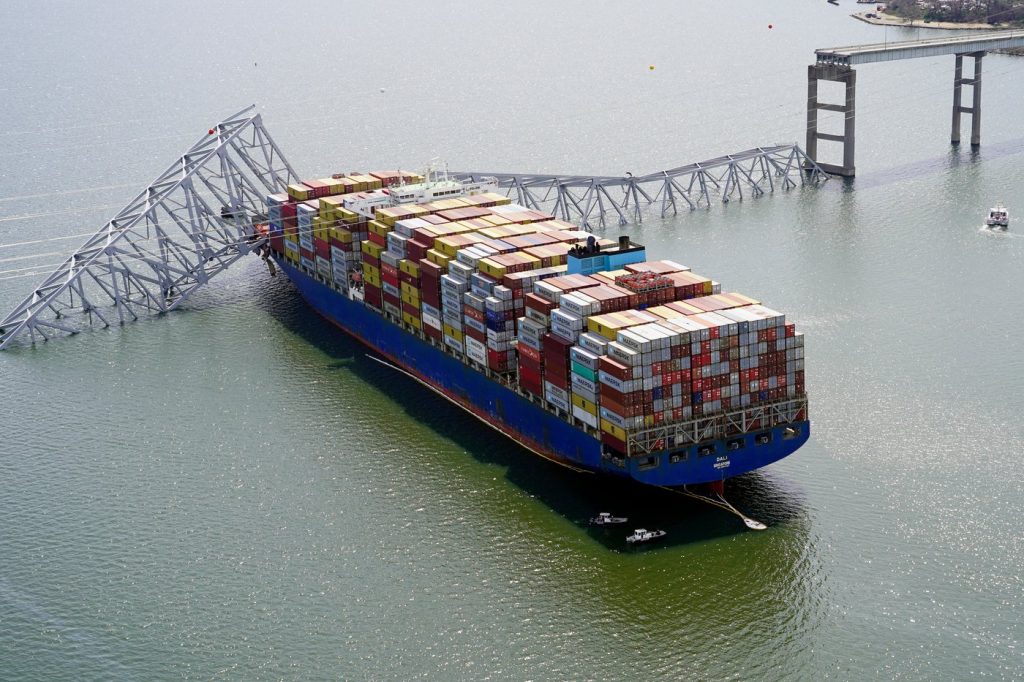
ANNAPOLIS, Md. (AP) – Maryland officials have significantly increased the estimated cost and timeline for the replacement of Baltimore's Francis Scott Key Bridge, which tragically collapsed last year after a massive container ship struck it, resulting in the deaths of six construction workers. The Maryland Transportation Authority announced on Monday that the new financial forecast places the project's cost between $4.3 billion and $5.2 billion, with a projected completion date now anticipated for late 2030. This update marks a substantial increase from the previously estimated cost of $1.9 billion and an expected opening date of late 2028.
The Acting Transportation Secretary and Maryland Transportation Authority (MDTA) Chair, Samantha J. Biddle, explained that as design processes advanced and pre-construction activities progressed, it became evident that material costs had skyrocketed since the initial estimates were made shortly after the unfortunate incident. The adjustments reflect a response to the changing financial landscape affecting construction projects across the nation.
This announcement coincided with the upcoming meeting of the National Transportation Safety Board (NTSB), which was scheduled to present its findings regarding the incident that caused the bridge collapse. On Tuesday morning, the board was set to vote on a probable cause, as well as safety recommendations and potential changes to a previous report. Investigators had previously pinpointed a loose cable on the cargo ship, named the Dali, as a potential contributing factor to its power loss and subsequent veering off course, leading to the collision with the bridge.
During the press briefing, Biddle emphasized that the updated cost range and timeline are intrinsically linked to rising material costs and the implementation of a robust pier protection system designed to safeguard the new Key Bridge from future maritime accidents. "The new Francis Scott Key Bridge isn’t just a local infrastructure project; it’s vital to our nation’s economy and will connect the Baltimore region to economies throughout the United States and the world," Biddle stated. Although the rebuilding process is projected to take longer and be more expensive than initially estimated, the commitment to rebuild safely, quickly, and cost-effectively remains paramount.
Governor Wes Moore, a Democrat, also weighed in on the revised estimates, stating that the national economic conditions have deteriorated, contributing to heightened material costs. Furthermore, he noted that the elevated costs resulted from adherence to federal design and resilience standards, rather than discretionary choices made at the state level. The governor reassured the public that the state would pursue litigation against those deemed responsible for the collapse, ensuring that taxpayers would not bear the financial burden of the incident.
The Francis Scott Key Bridge, which has stood as a significant Baltimore landmark, served as a crucial infrastructure link facilitating transportation around downtown and supporting the city’s port operations. Constructed over five years, the original 1.6-mile (2.6-kilometer) steel span was opened to traffic in 1977, marking its importance to the region's connectivity.








