

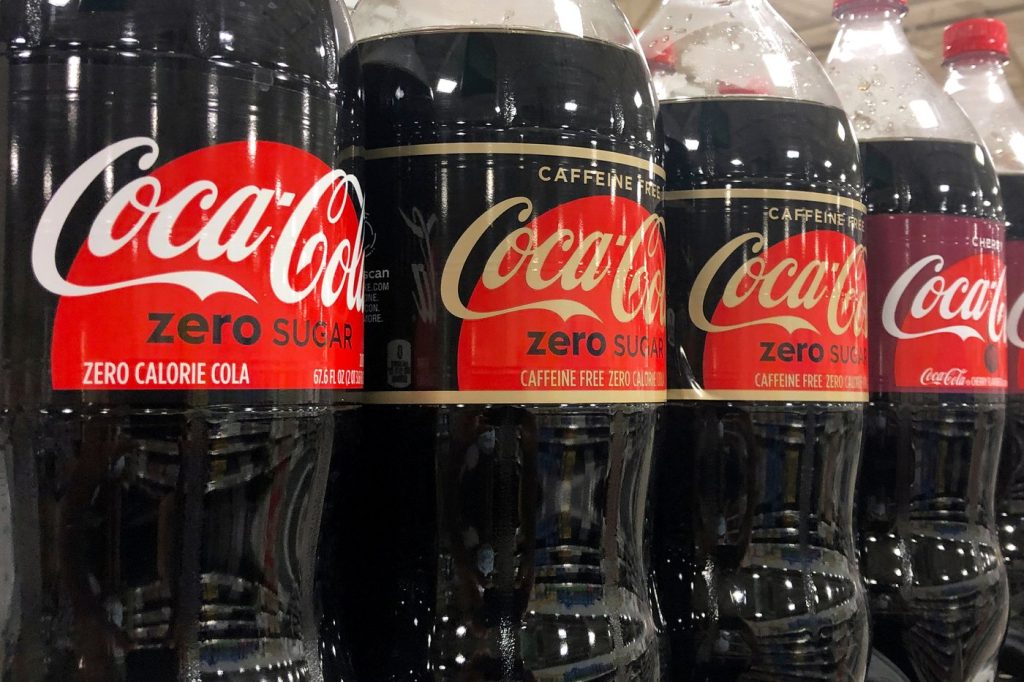
The city of San Francisco has filed a significant lawsuit against several of the leading food manufacturers in the United States, claiming that ultraprocessed foods produced by companies like Coca-Cola and Nestle are contributing to a public health crisis. On Tuesday, City Attorney David Chiu announced that the city is taking legal action against ten major companies, whose products include popular items such as Oreo cookies, Sour Patch Kids, Kit Kat, Cheerios, and Lunchables.
The lawsuit asserts that the consumption of ultraprocessed foods is linked to various health issues, including Type 2 diabetes, fatty liver disease, and certain forms of cancer. Chiu highlighted in a news release that these manufacturers have taken food and altered it to the point where it becomes harmful. “They engineered a public health crisis, they profited handsomely, and now they need to take responsibility for the harm they have caused,” he stated.
Ultraprocessed foods, as defined in the lawsuit, encompass a wide array of items such as candy, chips, processed meats, sodas, energy drinks, and breakfast cereals. Chiu’s office emphasized that these products are formulated with cheap ingredients, often chemically altered, and contain little to no whole food components. This manipulation is said to stimulate cravings and promote overconsumption.
The companies named in the lawsuit include PepsiCo, Kraft Heinz Company, Post Holdings, Mondelez International, General Mills, Kellogg, Mars Incorporated, and ConAgra Brands. As of the report, none of the involved companies have issued an immediate response to the lawsuit.
U.S. Health Secretary Robert F. Kennedy Jr. has publicly criticized ultraprocessed foods, linking them to chronic diseases and advocating for their removal from the Supplemental Nutrition Assistance Program aimed at helping low-income families. His campaign, titled Make America Healthy Again, underscores his commitment to addressing the detrimental effects of these foods on public health.
A report from the U.S. Centers for Disease Control and Prevention released in August noted that the majority of Americans derive over half of their caloric intake from ultraprocessed foods. Additionally, in October, California Governor Gavin Newsom signed a pioneering law aimed at phasing out certain ultraprocessed foods from school meals within the next decade.
In support of the lawsuit, San Francisco's legal team referenced numerous scientific studies that indicate the harmful effects of ultraprocessed foods on health. Kim Newell-Green, a professor at the University of California, San Francisco, stated that emerging research links these products to severe diseases, including Type 2 diabetes, heart disease, colorectal cancer, and even early-onset depression.
The lawsuit argues that the companies' production and promotion of ultraprocessed foods constitute violations of California's Unfair Competition Law and public nuisance statutes. The city is seeking a court order to prevent deceptive marketing practices and to mandate consumer education on the health risks associated with ultraprocessed foods. Additionally, the city aims to limit advertising targeting children, along with seeking financial penalties to alleviate local governments' healthcare costs that arise from the consumption of these products.
In summary, this lawsuit reflects a growing concern over the impact of ultraprocessed foods on public health and marks a significant legal step towards holding major food manufacturers accountable for their role in what is perceived as a health crisis in the United States.








