

The 2026 Food Price Report indicates a significant rise in food expenses for Canadians, informing families that they will need to allocate more funds for their grocery bills in the coming year. The report, released by Dalhousie University and several other Canadian universities, highlights that food prices are projected to increase by 4% to 6%, which means an average family of four can expect to see their food expenditures rise by approximately $994, reaching a total of $17,571.79 in 2026.
This anticipated price hike caps off a trend that has seen food costs in Canada soar 27% over the past five years. Various factors contribute to this escalating expense, including ongoing trade conflicts with the United States, shifts in manufacturing and retail sectors, changes in labor markets, evolving policies, fluctuations in the Canadian dollar, and the impactful repercussions of climate change.
According to Dr. Sylvain Charlebois, the report’s lead author and Dalhousie University food researcher, the inflation driven by tariffs and counter-tariffs will have lingering effects, reshaping the economic environment. The trade dispute has been marked by market uncertainties, supply chain disruptions, and declining demand for Canadian exports. However, there is optimism that Canada's efforts to foster stronger relationships with other international trading partners may help improve resilience and competitiveness in the global market. The removal of almost all counter-tariffs on U.S. imports is also expected to alleviate some inflationary pressures on goods.
Where's the Beef?
The report outlines that beef prices will witness the most significant increases. Dr. Charlebois notes that climate change is greatly impacting beef affordability. Prolonged drought conditions have raised feeding costs for livestock, prompting ranchers to downsize their herds without sufficient stock replenishment. This reduction in inventory is evident in both Canada and the U.S., which has resulted in an increased reliance on beef imports from Australia and New Zealand.
As beef prices rise, consumers are looking to chicken as an alternative. However, the report warns that chicken prices will also face upward pressure due to underproduction, a challenge exacerbated by outbreaks of avian flu affecting poultry farms.
Additionally, coffee prices are expected to climb due to climate issues affecting coffee bean yields. With the production of Arabica beans suffering due to adverse weather conditions globally, consumers can expect coffee to be increasingly more expensive in 2026.
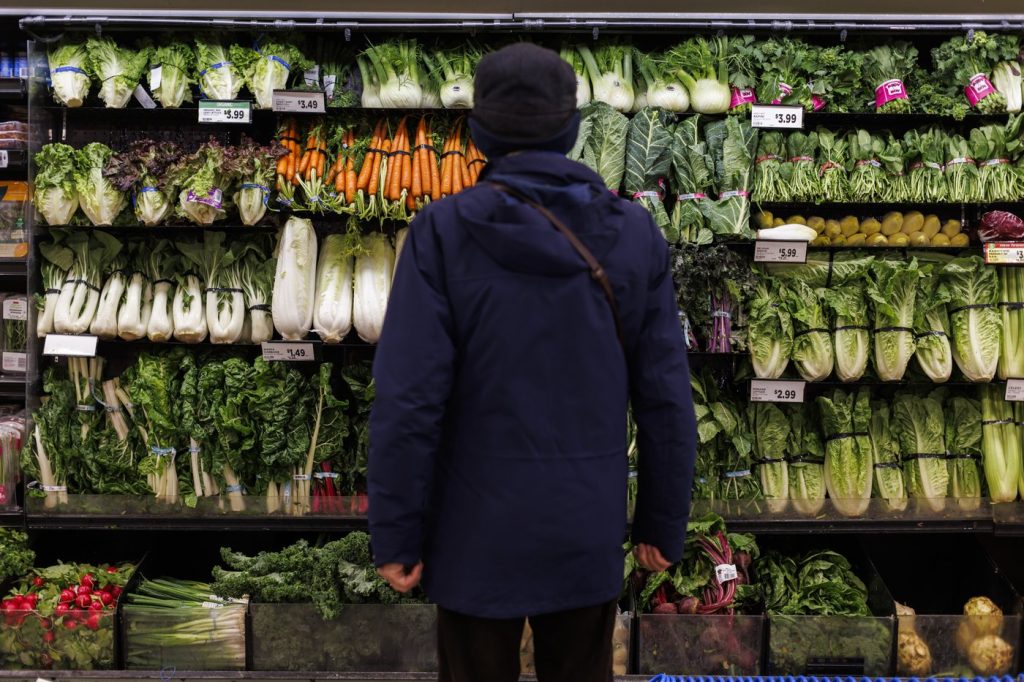
On a more positive note, the produce section of grocery stores might offer some reprieve, with the report indicating that prices for fruits and vegetables are projected to remain stable, or even decline. Furthermore, stable prices are anticipated for frozen foods, dairy, and bakery items. However, higher prices are expected across the board for most other food items, including those sold at restaurants.
The dynamics of the restaurant industry are particularly complex. As fewer consumers choose to dine out, resulting in potential closures and less competition, restaurants may be compelled to raise menu prices. This situation is compounded by a decline in alcohol consumption rates, which diminishes profits from beverage sales, further straining the restaurant sector's financial health. To counteract revenue losses, establishments may need to revise their pricing strategies.








