

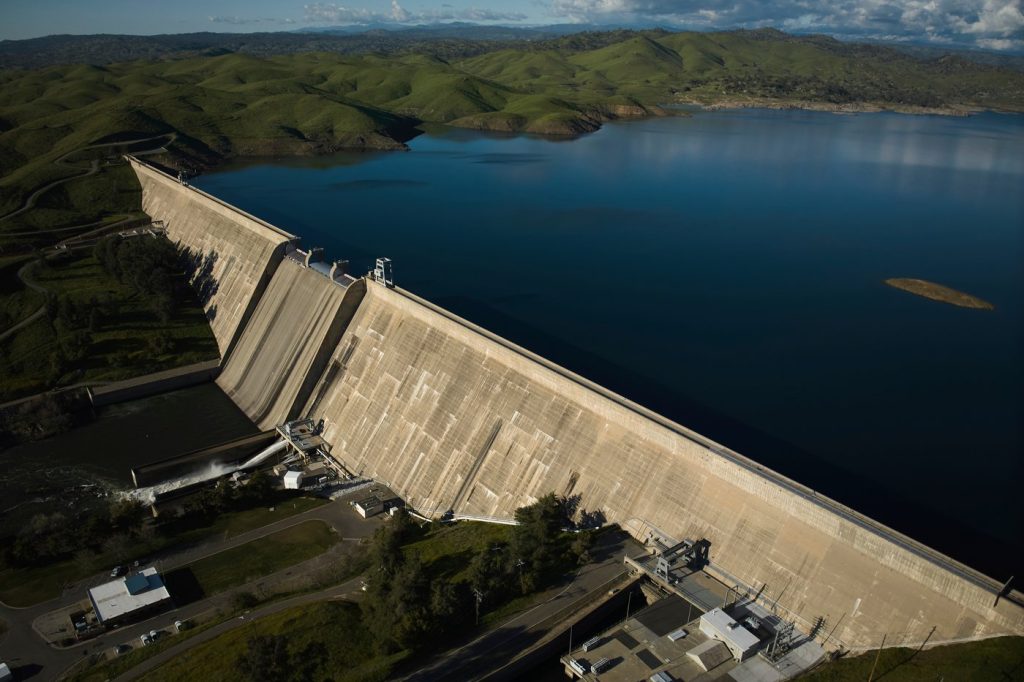
SACRAMENTO, Calif. (AP) The Trump administration is moving forward with its pledge to increase water allocation for farmers in California's Central Valley, a region known for its agricultural output. The U.S. Bureau of Reclamation announced a new operational plan for the Central Valley Project, a comprehensive system that channels water from the state's rainfall-rich northern areas to the agricultural heartlands in the south. This decision follows an executive order signed by President Donald Trump in January, advocating for more water flow to farmers and arguing that California was mismanaging water resources in order to protect endangered fish species.
U.S. Secretary of the Interior Doug Burgum stated that the new plan aims to "strengthen California’s water resilience," with the operational changes taking effect on Friday. However, the proposal has faced significant backlash from California officials and environmental advocates who argue that diverting more water to agriculture may jeopardize water supplies for other areas and pose risks to salmon and other fish populations.
Democratic Governor Gavin Newsom's administration criticized the initiative, describing it as a political maneuver that prioritizes agricultural interests over environmental science and public needs. Spokesperson Tara Gallegos emphasized that the plan disregards important ecological considerations, stating, "As per usual, the emperor is left with no clothes, pushing for an outcome that disregards science and undermines our ability to protect the water supply for people, farms, and the environment."
California's water supply is concentrated in the northern part of the state, while a significant portion of its population resides in the southern regions. The federal Central Valley Project functions alongside California's State Water Project, delivering water to cities serving about 27 million residents. The systems are interconnected via the Sacramento-San Joaquin River Delta, which serves as a vital habitat for various fish species, including salmon and the endangered delta smelt. Karla Nemeth, director of the California Department of Water Resources, warned that the Trump administration's plan could diminish the state's capacity to ensure adequate water supplies, as it may lead to more water being allocated for species protection if federal projects divert additional resources to agriculture.
Environmental advocates are expressing concerns that increased water withdrawal will further endanger the Delta smelt and juvenile salmon, which could die as they become entrapped in the water pumping systems. Barbara Barrigan-Parrilla, executive director of Restore the Delta, warned that the plan could foster conditions for harmful algae blooms, jeopardizing aquatic life and public health. She articulated that inadequate water quality could also undermine property values in affected areas, stating, "Nobody wants to live near a fetid, polluted backwater swamp."
In response to criticisms, the Bureau of Reclamation asserted that the changes would not negatively impact the environment or threaten endangered species. Assistant Secretary for Water and Science Andrea Travnicek described the plan as a "forward-looking approach to water management that balances the needs of California's communities, agriculture, and ecosystems." The Central Valley Project primarily supports agricultural irrigation, providing water for approximately one-third of California’s farming needs, according to the Bureau.
The Westlands Water District, a major user of Central Valley Project water, welcomed the decision, stating that it would ensure that growers have the necessary resources to support local economies and sustain the national food supply while also protecting wildlife. Conversely, Vance Staplin, executive director of the Golden State Salmon Association, criticized the proposal, noting that salmon protections were already insufficient and that some salmon runs were on the verge of extinction. He urged Governor Newsom to consider legal action against the federal initiative.
In Trump’s initial term, he permitted enhanced water allocations to the Central Valley despite Governor Newsom's legal challenges, which aimed to protect endangered aquatic species. The Biden administration took a different stance, implementing a water management plan in 2024 perceived as only a modest improvement by environmental activists. Amid ongoing water management debates, Trump has consistently voiced criticism of California’s water policies, especially following significant droughts and wildfires affecting the region.








