

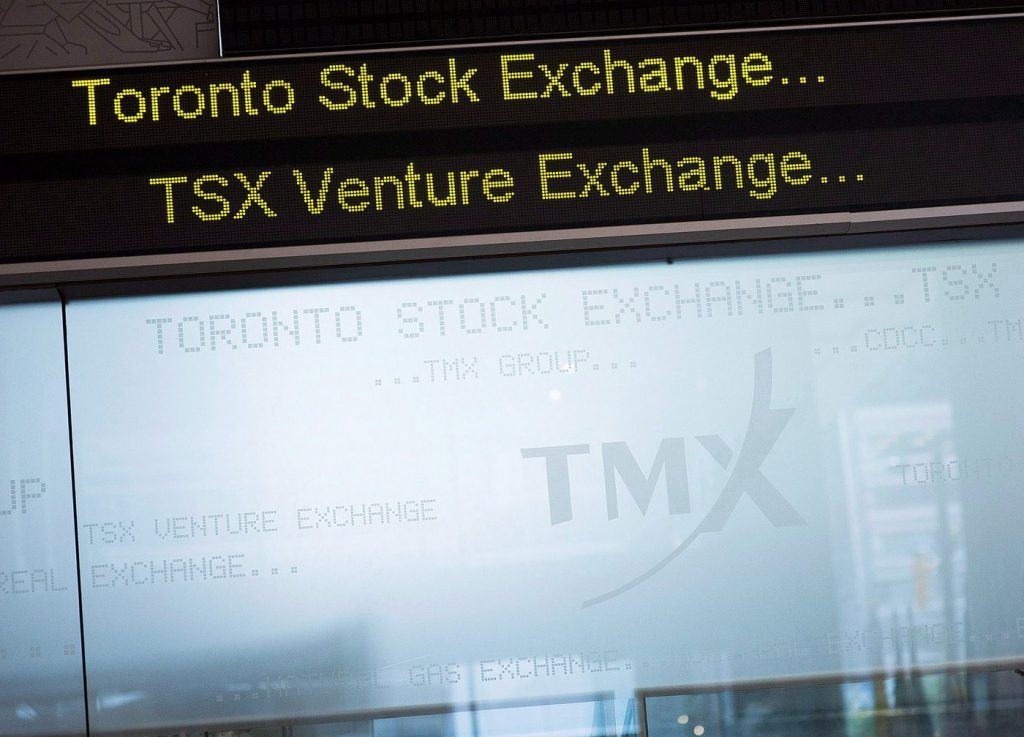
TORONTO — In a notable downturn, Canada's main stock index experienced a significant drop in late-morning trading on December 8, 2025. The decline was chiefly influenced by reduced performance in key sectors such as telecommunications, utilities, and energy. This trend mirrored a similar decline in U.S. stock markets, indicating broader market pressures affecting both nations.
The S&P/TSX composite index recorded a decrease of 43.52 points, settling at 31,267.89. This shift reflects ongoing volatility in the Canadian stock market, which is often susceptible to external economic pressures and domestic market sentiment. The factors contributing to this decline merit attention, as they may provide insights into current market dynamics.
In the United States, the situation was not much different. The Dow Jones industrial average reported a drop of 139.55 points, reaching 47,815.44. Meanwhile, the S&P 500 index fell by 18.73 points, bringing it down to 6,851.67, while the Nasdaq composite declined by 34.07 points, finishing at 23,544.06. These figures underscore a pervasive bearish sentiment across major U.S. indices.
On the currency front, the Canadian dollar showed a slight appreciation, trading at 72.25 cents U.S., a modest increase from 72.15 cents U.S. recorded on the previous Friday. Currency fluctuations can have a substantial impact on international trade and investment, and this slight rise in the Canadian dollar might have implications for exporters and importers navigating global markets.
Commodity markets also faced headwinds, with significant declines observed in both oil and gold prices. The January crude oil contract dropped by 85 cents U.S., settling at $59.23 per barrel. This decrease reflects ongoing uncertainties in global oil supply and demand dynamics, which can be influenced by geopolitical events and shifting economic conditions.
Similarly, the February gold contract experienced a notable decline, down by $33.60, with a new price of $4,209.40 an ounce. Gold often serves as a safe-haven asset, and its price movements are closely monitored by investors. The drop in gold prices may suggest a shift in investor sentiment or expectations regarding future economic stability.
Overall, the trading session on December 8, 2025, revealed a challenging environment for both Canadian and U.S. stock markets, marked by pressure from various sectors and commodities. Market participants will likely keep a close eye on upcoming economic indicators and corporate earnings reports, which could offer further insights into the financial landscape.
Companies involved in this report include those listed in the TSX with relevant stock symbols such as TSX:GSPTSE and TSX:CADUSD. These figures are essential for investors and analysts who are tracking market performance and sectoral trends.
The Canadian Press

Caption: The Toronto Stock Exchange Broadcast Centre is shown in Toronto on Friday June 28, 2013. THE CANADIAN PRESS/Aaron Vincent Elkaim








