

LONDON (AP) - Iceland’s national broadcaster, RÚV, announced on Wednesday that it will boycott the upcoming Eurovision Song Contest scheduled for May 2024 in Vienna. This decision follows the participation of Israel in the competition, which has sparked controversy and led to a collective walkout by other nations. Spain, the Netherlands, Ireland, and Slovenia had previously stated their intention to withdraw from the contest after the European Broadcasting Union (EBU) refused to expel Israel over its military actions in Gaza amid the ongoing war against Hamas.
The board of RÚV convened on Wednesday to deliberate on the matter, ultimately concluding that the current public discourse in Iceland surrounding Israel's involvement made it untenable for them to participate in Eurovision. In a statement released post-meeting, RÚV expressed, “Given the public debate in this country... it is clear that neither joy nor peace will prevail regarding the participation of RÚV in Eurovision. Therefore, RÚV will notify the EBU today that it will not take part in Eurovision next year.”
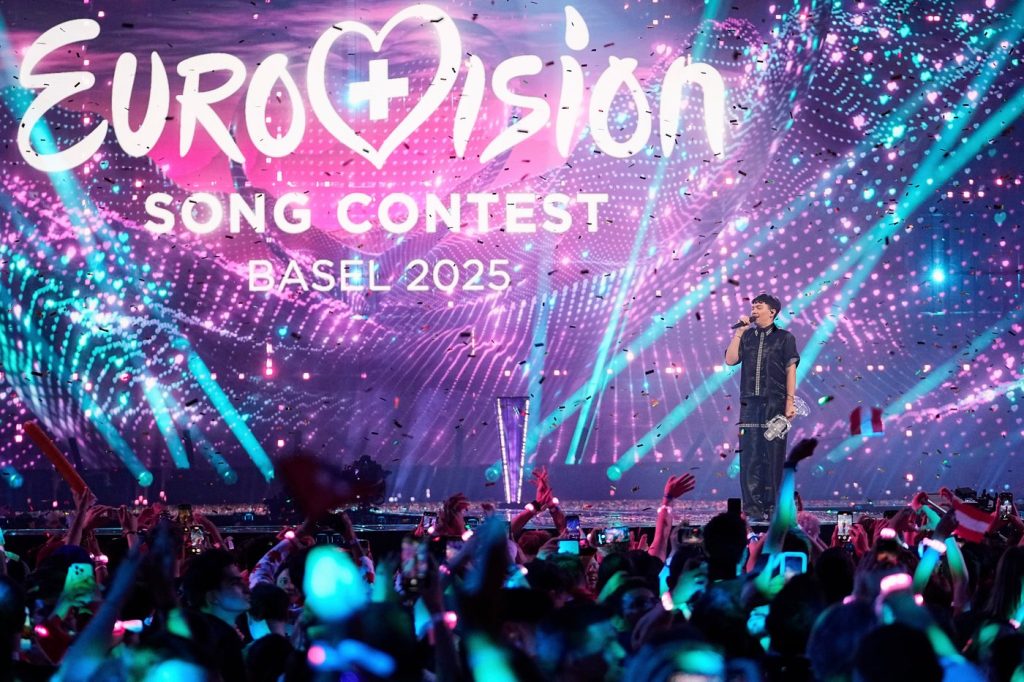
This series of walkouts has cast a shadow over Eurovision, an event traditionally seen as a joyous cultural celebration. The withdrawals may not only disappoint fans but could also impact broadcasters and the financial viability of the contest. Eurovision, which will celebrate its 70th anniversary in 2026, has faced significant challenges in recent years due to the geopolitical turmoil stemming from the conflict in Gaza. The situation has led to protests outside of venues and has prompted organizers to impose restrictions on political expressions during performances.
Last week, the EBU's general assembly met to address and discuss concerns regarding Israeli participation. The assembly, which includes public broadcasters from 56 countries and oversees the Eurovision event, voted in favor of implementing stricter voting rules in response to allegations of vote manipulation by Israel. However, the assembly ultimately decided against excluding any broadcasters from the competition.
Wednesday marked a deadline for national broadcasters to declare their participation in the contest. The EBU is expected to publish the final list of competing nations before Christmas, which will be closely monitored given the current tensions surrounding the event.
The current situation surrounding Eurovision underscores the intersection of culture and politics, particularly in an era marked by increased scrutiny of Israel's actions. As nations weigh their participation against the backdrop of public sentiment and geopolitical realities, the implications for the future of the Eurovision Song Contest remain uncertain.








