

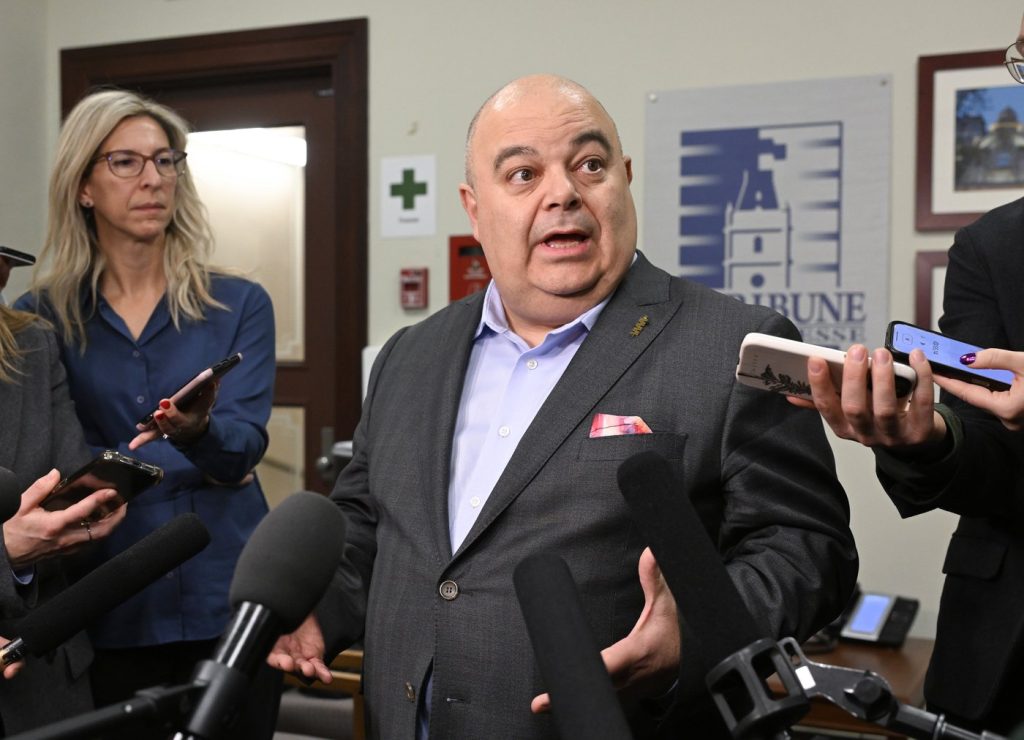
MONTREAL – The Federation of Family Doctors of Quebec has announced that an overwhelming 97 percent of its members have voted in favor of an agreement in principle with the provincial government. This development marks a significant shift in the ongoing negotiations between healthcare providers and the government regarding physician compensation and patient care.
The newly agreed deal is notable for removing certain contentious elements from a controversial legislation on doctor pay that was enacted in October 2025. Specifically, the deal eliminates performance-related penalties that were a part of the original law, as well as the controversial plan that aimed to assign all residents of Quebec to a healthcare provider by the year 2027. This change addresses some concerns raised by doctors who felt that such measures could compromise patient care and the autonomy of healthcare providers.
Instead of the previously proposed penalties, the new agreement incentivizes doctors to enroll an additional 500,000 patients by June 2026. This approach is intended to address the issue of patient access to healthcare without imposing strict controls on doctors' practice. The deal also preserves alterations to the compensation structure for physicians, but it notably removes the threat of severe fines for doctors who may engage in concerted actions to oppose the original law, a move that had been seen as a stifling of dissent among medical professionals.
In a surprising turn of events, Christian Dubé, the health minister of Quebec, has resigned from his position as well as from the Coalition Avenir Québec government in response to the scaled-back agreement. His resignation underscores the political tensions surrounding healthcare reform in the province and reflects the challenges the government faces in balancing the interests of healthcare workers with those of the public.
A government source, who spoke on the condition of anonymity, has indicated that Sonia Bélanger, the current Minister of Social Services, is expected to be appointed as the new health minister later today, potentially signaling a shift in how the government interacts with healthcare providers moving forward.
This report underscores the dynamic and often contentious nature of healthcare reform in Quebec, highlighting the continuing negotiations between the government and the medical community as they navigate the complexities of patient care, physician compensation, and public expectations. The outcome of this agreement may have lasting implications for the healthcare system in Quebec, particularly in terms of patient access and the relationship between doctors and the provincial government.








