

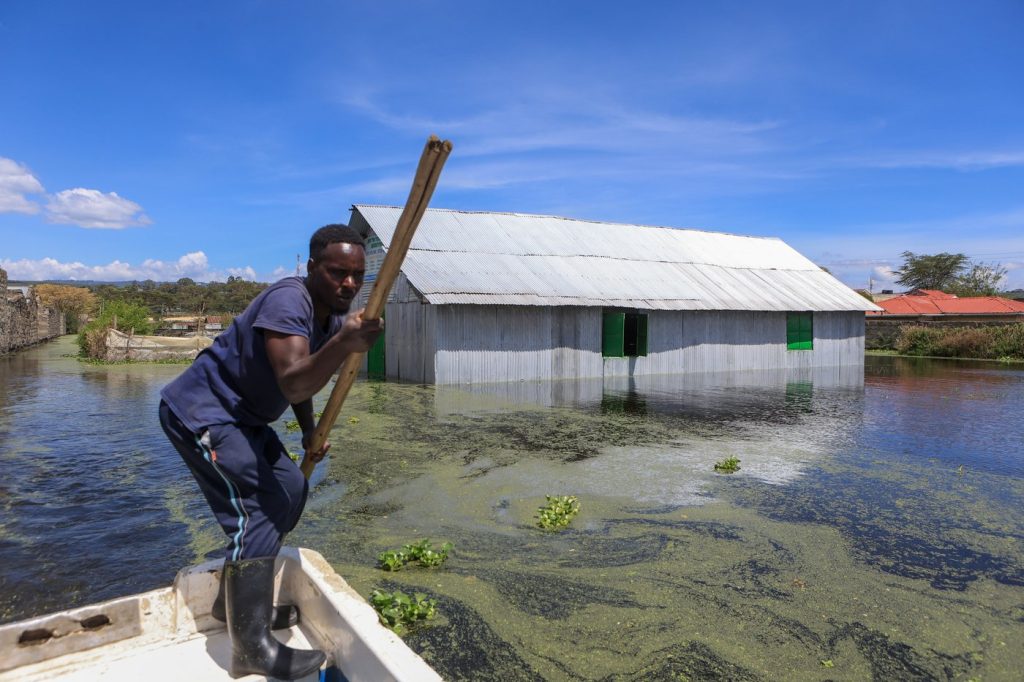
NAIVASHA, Kenya (AP) — In 2008, Dickson Ngome leased a farm located over 2 kilometers (1.2 miles) from the shore of Lake Naivasha in Kenya's Rift Valley. At that time, the lake was receding, causing concern among local residents about its potential to dry up completely. However, the situation took a dramatic turn: by late October 2023, rising water levels had encroached upon Ngome's home and farm, submerging everything beneath about a foot of water. His wife, Rose Wafula, recounted the shock they experienced when they woke up to find their property flooded.
This alarming rise in lake levels has displaced approximately 5,000 people, according to local reports. Scientists attribute the increased rainfall primarily to climate change, along with various other factors contributing to the lake's ongoing rise over the past decade. This situation is not unique to Lake Naivasha; nearby lakes including Lake Baringo, Lake Nakuru, and Lake Turkana have also seen significant increases in water levels over the last 15 years.
Simon Onywere, an environmental planning professor at Kenyatta University in Nairobi, noted that the lakes have reached levels beyond historical highs, with a study published in the Journal of Hydrology indicating that the area of lakes in East Africa expanded by 71,822 square kilometers (27,730 square miles) from 2011 to 2023. This rise has displaced over 75,000 households across the Rift Valley by 2021, as reported by the Kenyan Environment Ministry and the United Nations Development Program.
Specifically, Lake Baringo has risen almost 14 meters, erasing submerged buildings like the Block Hotels, while Lake Naivasha has engulfed three-fourths of local flower farms. The horticulture sector, which contributes over a billion U.S. dollars in revenue and accounts for 40% of the roses sold in the European Union, is facing severe challenges due to the flooding.
Research on the reasons behind the rise in Kenya's Rift Valley lakes has revealed various drivers, including geological factors and climatic patterns. Richard Muita, a Kenyan meteorologist, emphasizes the connection between rainfall, temperature changes, and sedimentation, which has been exacerbated by agricultural activities. Sediment runoff into the lakes is further complicating the issue.
The situation has historical roots, as Naivasha's official high water mark, established in 1906, still guides land ownership and zoning regulations. Silas Wanjala, general manager of the Lake Naivasha Riparian Association, explained that the community of Kihoto, where the Ngomes lived, is situated on government-owned riparian land that can be neither leased nor owned privately. This problematic legacy from the 1960s has left many residents vulnerable to flooding, with recent years experiencing unprecedented water levels.
The Nakuru County government is treating the current flooding as an emergency, providing relocation assistance and covering rent for displaced families. Local experts, such as Onywere and Muita, urge a need for better infrastructure and a global commitment to addressing climate change, alongside nature-based solutions like conservation agriculture to combat sedimentation.
Despite these efforts, the immediate future remains uncertain for displaced families like Ngome and Wafula. As the families inhabit temporary shelters with little assurance of returning to their flooded homes, the persistent rise of Lake Naivasha poses a pressing challenge that continues to loom over their lives.








