

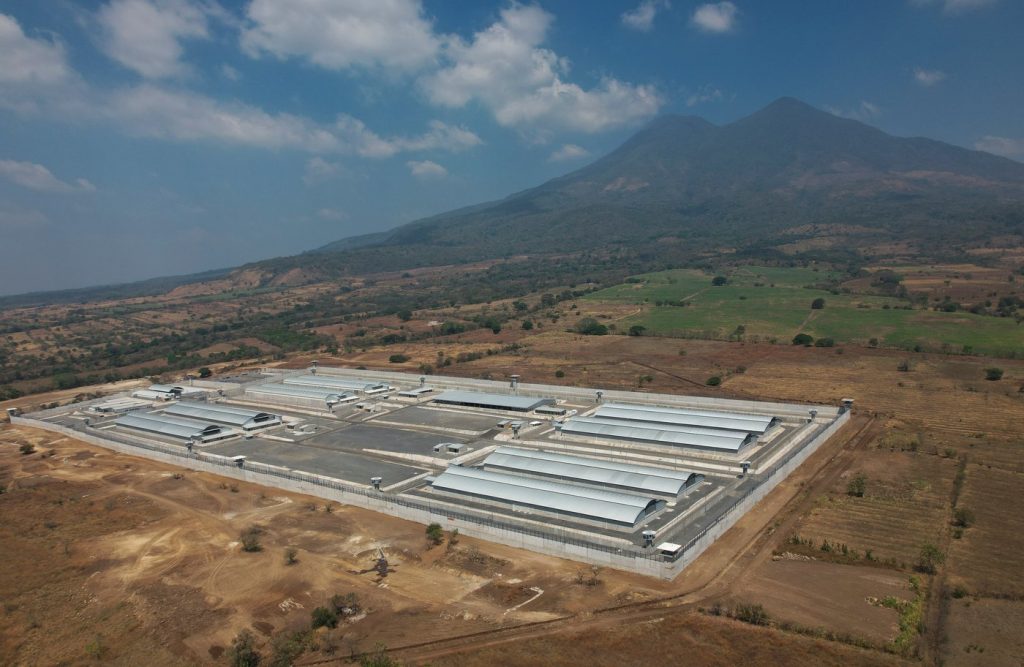
On Monday, a federal judge ruled that the Trump administration must ensure legal due process for Venezuelan migrants who were sent to a controversial prison in El Salvador. U.S. District Judge James Boasberg mandated that the government devise a plan within two weeks for the detained men, who have since been returned to Venezuela as part of a prisoner swap.
Judge Boasberg emphasized that the plaintiffs were removed from the U.S. without adequate notice or the opportunity to contest their removal. He stated that such actions were a clear violation of their due-process rights. This ruling is a significant development in an ongoing legal battle that has arisen from the Trump administration's extensive immigration crackdown.
The case began in March when former President Trump invoked an 18th-century wartime law to deport Venezuelan migrants accused of being gang members to a mega-prison known as the Terrorism Confinement Center (CECOT) in El Salvador. Two planeloads of these men were sent to the facility despite a verbal order from Judge Boasberg instructing them to turn back. This led Boasberg to initiate a contempt investigation against the administration; however, this legal confrontation between the judicial and executive branches has been temporarily halted by an appeals court.
The administration has denied any wrongdoing, claiming that it did not violate the judge's order. Following Boasberg's ruling, the White House did not immediately comment on the matter. In July, more than 200 migrants were returned to Venezuela in a prisoner swap with the United States, further complicating the case.
The implications of Boasberg's ruling are significant. It opens the door for the Venezuelan migrants to challenge allegations that they are affiliated with the Tren de Aragua gang and therefore subject to removal under the Alien Enemies Act. ACLU attorney Lee Gelernt, representing the migrants, underscored that the ruling underscores the principle that the Trump administration cannot simply send individuals to a notorious prison without ensuring their due process rights are respected.
The events surrounding this case highlight the contentious nature of immigration policy under the Trump administration, particularly regarding the treatment of vulnerable populations such as Venezuelan migrants. The outcome of the mandated plan and any ensuing legal challenges will likely have broader implications for immigration enforcement practices in the U.S.
As this legal saga continues, it remains to be seen how the administration will respond to the judge's ruling and what measures will be implemented to comply with due process requirements. This situation serves as a reminder of the complexities and challenges inherent in managing immigration and the rights of those subject to removal proceedings.








