

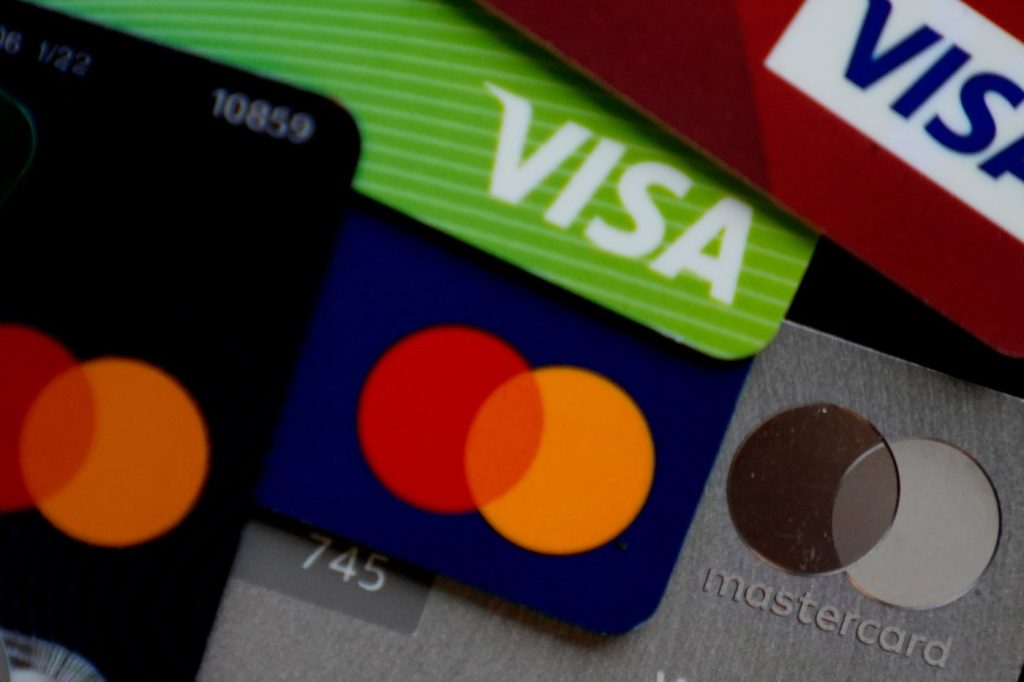
NEW YORK (AP) – President Donald Trump has reignited a significant campaign commitment by proposing a one-year, 10% cap on credit card interest rates. This initiative, which aims to alleviate financial burdens for many Americans, has the potential to save consumers tens of billions of dollars annually. However, it has already attracted strong opposition from the credit card industry, historically a supporter of Trump's administration.
In a post on his Truth Social platform, Trump did not specify whether this cap would be implemented through executive action or by passing new legislation. Nonetheless, Republican Senator Roger Marshall indicated that he has communicated with Trump regarding the proposal and expressed intentions to draft a bill with the president's full endorsement. Trump expressed hopes that the cap could take effect by January 20, marking one year since his inauguration.
The proposal faces significant resistance from Wall Street and credit card companies, which have contributed substantially to Trump's 2024 campaign and his agenda for a second term. In his social media message, Trump emphasized a need to protect American consumers from what he described as exorbitant interest rates charged by credit card firms, which often range between 20% and 30%.
Research conducted in the past indicates that if credit card rates were capped at 10%, Americans could collectively save approximately $100 billion in interest each year. While such a cap would severely impact the credit card industry, researchers have pointed out that the sector would likely remain profitable, albeit with potential reductions in customer rewards and other benefits.
Current average credit card interest rates in the United States are reported to fall between 19.65% and 21.5%, according to data from the Federal Reserve and other industry sources. Although interest rates have decreased recently due to cuts in the central bank's benchmark rates, they remain near historic highs, a concerning trend since regulators began tracking these rates in the mid-1990s.
Historically, the Republican administration has been friendly towards the credit card industry, with minimal opposition regarding significant mergers, such as Capital One's acquisition of Discover Financial in early 2025. Furthermore, the Consumer Financial Protection Bureau, tasked with regulating such companies, has been largely ineffective since Trump's presidency began.
In response to Trump's proposal, the banking industry quickly issued a joint statement expressing their concerns. They argued that if the cap were enacted, it would drive consumers toward less regulated and more expensive financing options, highlighting the potential drawbacks of the initiative.
Despite the pushback, Trump seems resolved to proceed with his plan. Senator Roger Marshall, who communicated with Trump, stated that the overarching goal is to lower costs for American families and to combat what he termed the exploitative practices of credit card companies.
Support for a similar legislative effort exists in both the House and Senate, with notable proponents such as Senators Bernie Sanders and Josh Hawley, who unveiled a plan to cap interest rates at 10% for five years. They aim to leverage Trump's proposal to gain traction for their legislative initiative. Just hours prior to Trump's announcement, Sanders criticized the president for prioritizing deregulation that allowed banks to impose higher fees rather than advocating for consumer protection measures.
In addition to the bipartisan support seen in Congress, Representatives Alexandria Ocasio-Cortez and Anna Paulina Luna have also introduced similar measures. Ocasio-Cortez, often a target of Trump’s political discourse, contrasts with Luna, who is considered a close ally of the president. The proposals illustrate a cross-party effort to address concerns over credit card fees and consumer protection.








