

TAIPEI, Taiwan (AP) - Taiwan’s Premier Cho Jung-tai expressed optimism over a new trade deal with the United States, describing it as the "best tariff deal" for countries enjoying trade surpluses with Washington. This accord falls within the broader context of evolving economic relations between Taiwan and the U.S., particularly in the technology sector. Meanwhile, a Chinese official in Beijing condemned the agreement, reflecting ongoing tensions in cross-strait relations.
The agreement establishes a reduction in U.S. tariffs on Taiwanese goods to 15%, in exchange for a commitment of $250 billion in new investments into the U.S. tech industry. This development mirrors similar deals made with the European Union and Japan during the Trump administration when sweeping tariffs were proposed for various trading partners. Cho noted the significance of the deal, stating, "This also shows that the U.S. sees Taiwan as an important strategic partner."
Initially, President Trump set the tariff on Taiwanese goods at 32%, which was later modified to 20%. Cho emphasized the achievement of the 15% tariff reduction, which aligns with tariffs imposed on other nations like Japan, Korea, and the European Union. This accomplishment suggests a strategic move to enhance bilateral economic relationships amid regional geopolitical conflicts.
In Beijing, a spokesperson from the Chinese Foreign Ministry criticized the accord, asserting that China opposes any agreements that imply a sovereign connotation regarding Taiwan. Guo Jiakun stated, "China always firmly opposes countries having diplomatic relations with China and China’s Taiwan region signing any agreement that carries sovereign connotations and an official nature." This reaction underscores the challenges faced in cross-strait relations and the sensitivity surrounding Taiwan's international agreements.
The U.S. Department of Commerce framed the trade deal as a historic move aimed at establishing an economic partnership that would facilitate the creation of world-class U.S.-based industrial parks to bolster domestic manufacturing. It described the agreement as a pathway to significantly reshoring America's semiconductor sector, indicating its strategic importance in the global technology landscape. Cho further mentioned that the agreement entails securing 15% tariffs without any additional fees for certain industries, including automotive and wood furniture, while aerospace components were granted tariff exemptions.
This trade deal is subject to ratification by Taiwan's parliament, where various opposition lawmakers have raised concerns regarding its potential impact on Taiwan's domestic semiconductor industry. The political dynamics surrounding the deal highlight the precarious balance Taiwan must maintain between engaging with the U.S. and managing its economic interests in the face of Chinese pressure.
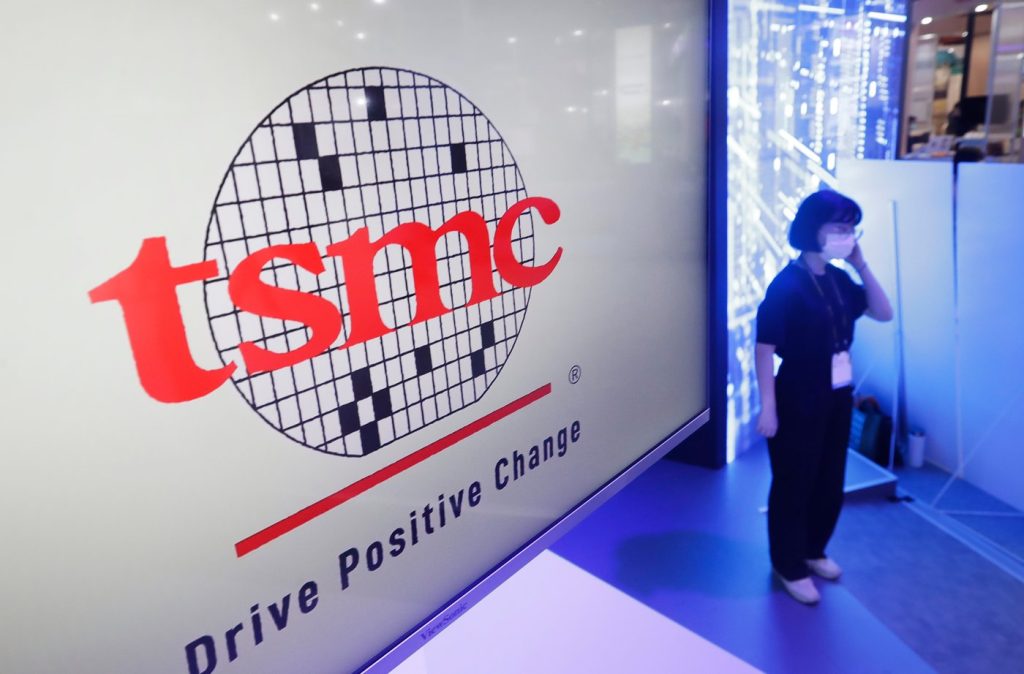
The announcement of the trade agreement coincided with TSMC's announcement to significantly increase its capital expenditure, projecting a nearly 40% rise this year. TSMC, recognized as the world's leading computer chip manufacturer, reported a 35% spike in net profit in the latest quarter, largely attributed to demands driven by advancements in artificial intelligence. TSMC’s commitment of approximately $165 billion towards investments in the U.S., and the accelerated construction of new plants in Arizona, emphasizes the company's strategic alignment with U.S. objectives in the semiconductor sector.
Additionally, the U.S. Commerce Department highlighted that Taiwanese semiconductor producers who invest in the U.S. will benefit from favorable tariff treatments, including exemptions. This aspect is critical in incentivizing Taiwanese firms to enhance their investments stateside while navigating the existing global competition in technology and semiconductor manufacturing.
Ryan Majerus, a trade official who served in both the Trump and Biden administrations, remarked on the timing of the agreement, noting that the legality of Trump’s sweeping tariffs is still under review by the Supreme Court. The court's potential decision on this matter may influence future trade dynamics. Regardless, with ongoing threats from China, Taiwan is keen to solidify its relationship with the United States, illustrating the strategic priorities driving this trade deal.








