

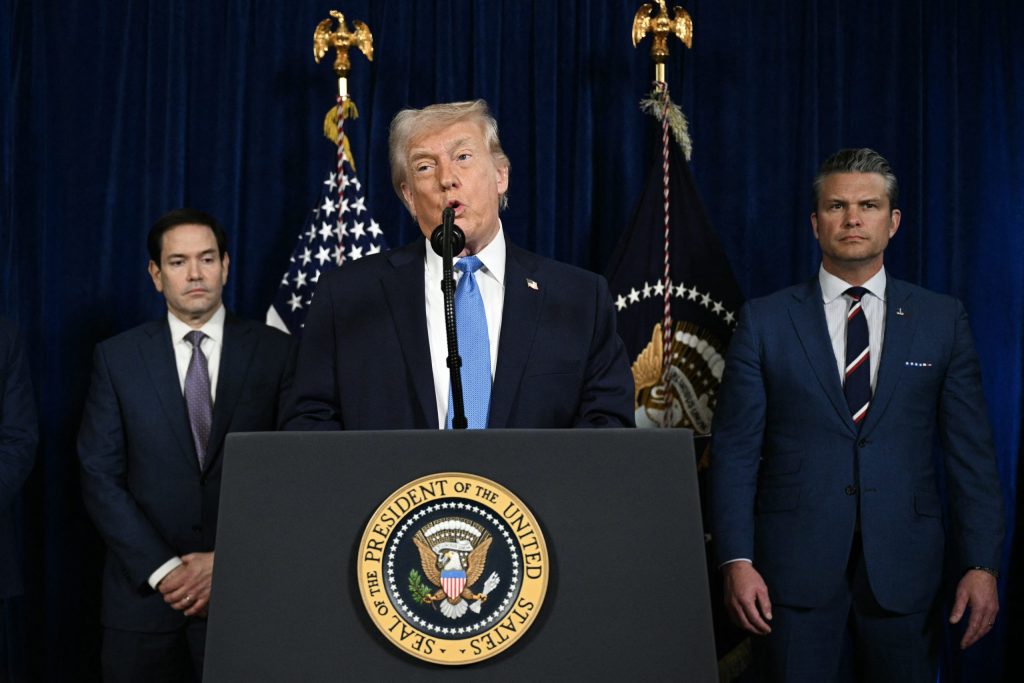
The situation regarding U.S. military operations in Iran has become increasingly dire following the recent announcement by the U.S. military regarding casualties suffered by its service members. According to reports, three U.S. service members have tragically lost their lives, while five others have sustained serious injuries during the operation in Iran. This incident marks a significant escalation in military engagement in the region and reflects the ongoing complexities and tensions surrounding U.S.-Iran relations.
The military operation that led to these fatalities underscores the precarious nature of the situation in the region, where military involvement often leads to unexpected consequences. The involvement of U.S. forces in Iran has long been a contentious issue, and incidents like this highlight the risks faced by troops deployed in volatile environments. The U.S. military has not provided extensive details regarding the circumstances surrounding the incident, leading to speculation and heightened scrutiny from various stakeholders, including military analysts, political leaders, and the general public.
This incident is likely to reignite debates about U.S. military policy in the Middle East, especially regarding the level of engagement in Iran. Given the long-standing historical tensions, there is considerable concern over the impact of such military operations on U.S. foreign relations and security strategy in the region. In light of these recent casualties, advocates for a more restrained approach to military intervention may call for reassessments of the current strategy and a focus on diplomatic engagements rather than military confrontations.
The U.S. military's announcement not only serves as a somber reminder of the sacrifices made by service members but also highlights the urgent need for a comprehensive dialogue regarding U.S. military presence abroad. American service members continue to face the realities of combat, with risks that have far-reaching implications not only for their families and loved ones but also for U.S. foreign policy. As discussions around military engagement and strategic priorities continue, the loss of these service members will weigh heavily on ongoing debates surrounding national security and the ethical considerations of military intervention.
In the broader context, this development raises questions about the operational goals of U.S. forces in Iran and whether the current military strategy aligns with achieving long-term stability in the region. Military analysts emphasize the importance of understanding the geopolitical ramifications of such operations, including the potential for retaliatory actions from Iran and the effect on regional allies. The international community is closely watching the U.S. response to this incident and how it will impact diplomatic relations moving forward.
As the investigation into the circumstances of the operation unfolds, the focus will undoubtedly remain on how the U.S. military plans to address the challenges posed by persistent threats in the region. In turn, this may influence public perception of military operations and the broader discussion on national security policies. The road ahead will require careful navigation and strategic decision-making to honor the sacrifices made by the service members and their families while striving for a safer and more stable international environment.








