

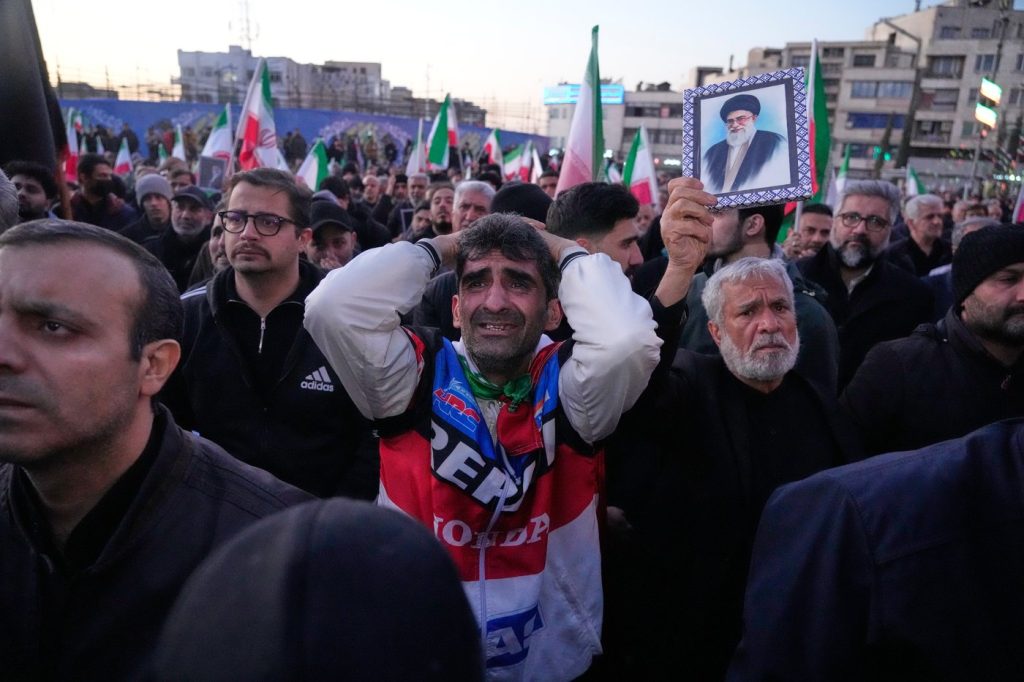
The assassination of Iranian Supreme Leader Ayatollah Ali Khamenei, aged 86, marks a significant turning point for Iran and raises concerns about regional stability. His death was announced by Iranian state media and earlier confirmed by U.S. President Donald Trump, who suggested this event gives Iranians a chance to reclaim their country following a joint aerial bombardment carried out by Israel and the United States targeting Iranian military and governmental sites.
The airstrikes which began the previous day have escalated fears of U.S. intervention in Iran's affairs, marking the second instance of military action from the Trump administration within eight months amid ongoing nuclear negotiations. Khamenei's assassination is expected to create a leadership vacuum in Iran, as there is no clear successor, and Khamenei held ultimate authority over the nation’s key policies.
In retaliation, Iran's paramilitary Revolutionary Guard announced intentions to execute their "most intense offensive operation" targeting both Israeli and U.S. military installations. Tensions escalated quickly, with Iranian attacks leading to countermeasures from neighboring Gulf states.
On Sunday morning, Qatar's Defense Ministry reported interceptions of missiles and drones launched from Iran, confirming no casualties. However, there were incidents in Abu Dhabi where shrapnel caused light injuries to a woman and child due to intercepted drone debris. Additionally, an oil tanker under the Palau flag was attacked in the strategically critical Strait of Hormuz, resulting in four injuries among its crew, which included Indian and Iranian nationals.
The United Arab Emirates weighed in, with an adviser to the president criticizing Iran's attacks, urging the nation to “return to your senses” and engage rationally with regional countries. Meanwhile, Iran experienced a widespread internet blackout, with connectivity plummeting to 1% of normal levels.
Reactions from around the globe varied, with Japan calling for an end to Iran's nuclear weapons development, while Israeli military operations led to a major explosion in Tehran, targeting the "heart" of the city. The Israeli armed forces reported initial successful strikes in Tehran throughout the conflict's first day.
Protests erupted in various regions; in Karachi, Pakistan, demonstrators stormed the U.S. Consulate, leading to violent clashes with police, resulting in at least six deaths. Similarly, tens of thousands took to the streets in Indian-controlled Kashmir to mourn Khamenei’s death, chanting slogans against America and Israel.
In the United States, Iranian Australians expressed their relief and celebration outside the Iranian Embassy in Canberra, exemplifying a polarized sentiment regarding the situation. Meanwhile, the Israeli military reported continued missile threats from Iran, and airport closures across the Middle East left thousands stranded as the conflict intensified.
Reports stated that Iranian military leadership suffered significant losses, including the deaths of the chief of army staff and the defense minister during the U.S. and Israeli airstrikes. As the situation worsened, the U.S. Embassy in Bahrain authorized non-essential personnel to leave due to increased threats, while the U.S. Central Command confirmed active military operations in the area.
Lastly, Iranian officials threatened severe consequences for U.S. and Israeli leaders, indicating a readiness for retaliation. Iran's parliamentary speaker described them as "filthy criminals" who would face "devastating blows" for the attacks on the Islamic Republic.








