

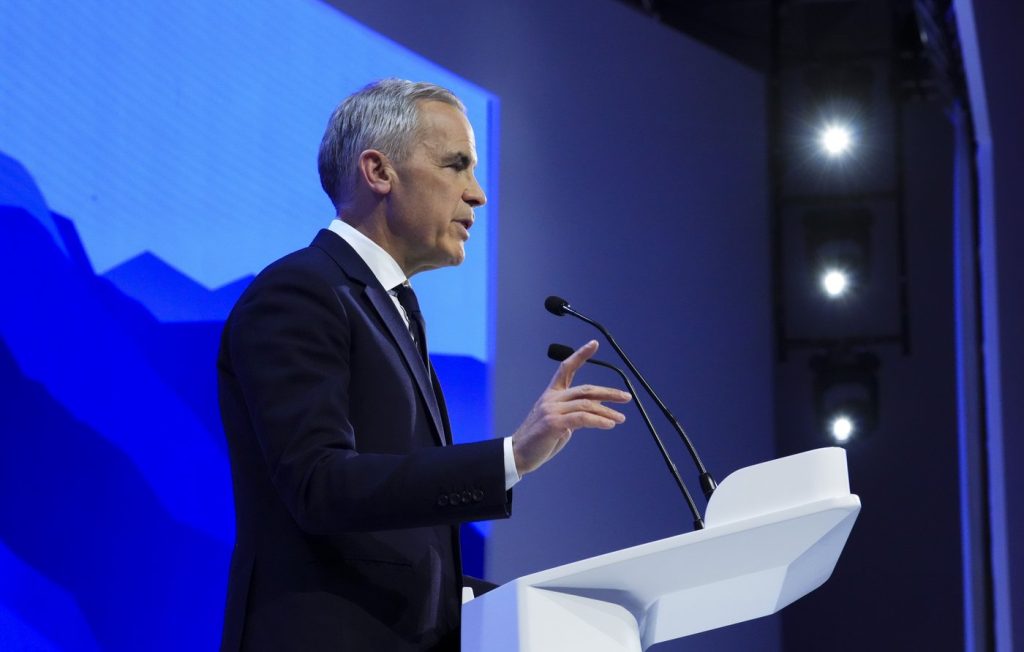
A recent roundup of stories from The Canadian Press provides insights into significant political and economic developments in Canada. Prime Minister Mark Carney is holding a cabinet meeting in Quebec City today, where discussions will focus on pressing issues such as the economy, affordability, and security. The two-day retreat follows Carney's nine-day overseas trip aimed at attracting new investments to Canada and precedes the return of Parliament on Monday. Experts suggest that much of the conversation will revolve around the implications of U.S. tariffs, issues relating to interprovincial trade, and the Canada-United States-Mexico Agreement (CUSMA) negotiations, which are expected to proceed under the looming threat of further tariffs.
In a related international context, China's Ambassador to Canada, Wang Di, is urging the Canadian government to expedite collaboration on agreements reached during Carney’s recent visit to Beijing. Ambassador Wang emphasized the necessity for both nations to act promptly to fulfill the expectations of their citizens, particularly in light of a tariff dispute that has seen China impose levies on Canadian agricultural products, following Canada’s own tariffs on Chinese electric vehicles. This diplomatic overture reflects the broader economic tensions that are currently affecting trade relations between the two countries.
Another significant story involves the federal government’s recent signing of a pipeline agreement with Alberta, which has drawn criticism from First Nations chiefs. The memorandum of understanding facilitates plans to construct a pipeline transporting bitumen from Alberta to the coast of British Columbia. However, the agreement notably omits any references to water issues, including the considerable water consumption required for extracting bitumen and the potential risks posed to freshwater sources from tailings ponds associated with oilsands operations. This silence on water quality standards raises concerns among Indigenous leaders, especially in light of ongoing initiatives to manage the environmental fallout of these industries.
In the realm of provincial politics, Alberta’s education minister, Demetrios Nicolaides, has responded to an unsuccessful recall petition against him by declaring it a validation of the government's policies and efforts. In a social media post, Nicolaides described the outcome as a strong vote of confidence from constituents in Calgary-Bow, asserting that it empowers him to continue advancing the priorities of the government. This is particularly notable as he was among the first legislators targeted by recall efforts in the latter part of 2025, during a period of political unrest in the province.
In judicial news, a British Columbia judge has ruled against a Crown application to label a man with a lengthy criminal record, Christopher Prokopchuk, as a 'dangerous offender.' Despite his history of robbery and violence, Justice Barbara Norrell found that the case did not meet the threshold for an indeterminate sentence typically associated with the most serious offenders. The court noted Prokopchuk’s peculiar behavior during past crimes, including leaving fingerprints intentionally, raising questions about his criminal mindset.
Lastly, the retail landscape is witnessing turmoil as Toys "R" Us Canada finds itself embroiled in legal issues concerning unpaid rent. The retailer faces at least seven lawsuits from landlords claiming a total of $31.3 million in overdue payments. The company is accused of failing to meet its rent obligations for various properties throughout 2024 and 2025, leading to escalated legal actions. As the retailer continues to downsize its presence, moving out of multiple locations and closing numerous stores, this situation highlights the broader challenges faced by brick-and-mortar retailers in a changing economic environment.
Overall, these stories reflect a landscape marked by political maneuvering, economic challenges, environmental concerns, and significant shifts within various sectors, underscoring the complexity of Canada’s current socio-economic conditions.








