

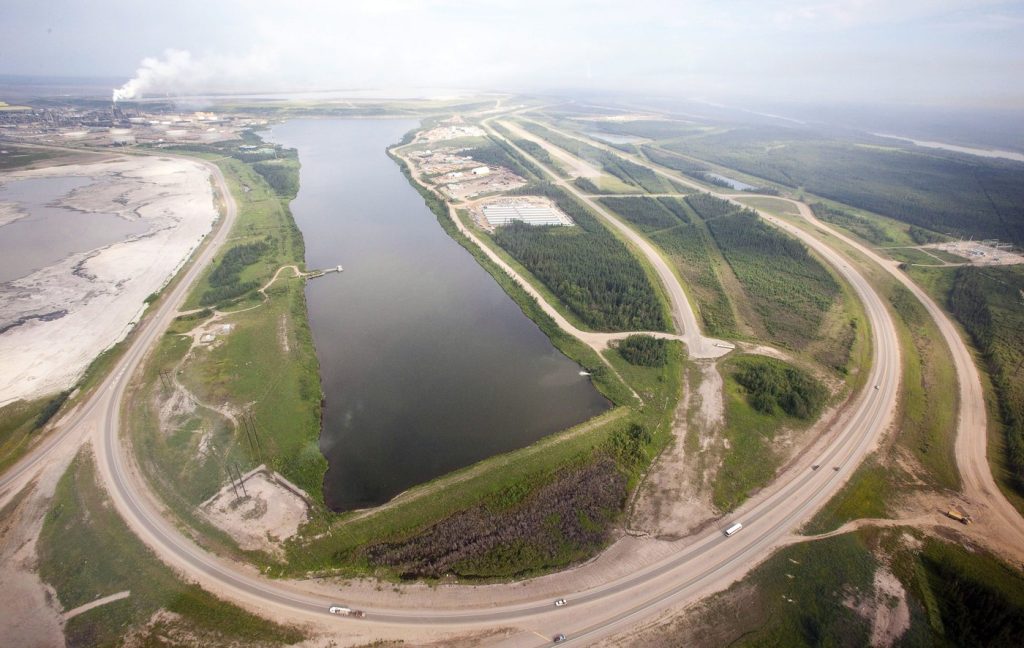
OTTAWA — Several First Nations chiefs are expressing their concerns to the federal government after it signed a memorandum of understanding (MOU) with Alberta regarding a pipeline project that lacks any provisions for fresh water. The MOU facilitates the development of a pipeline intended to transport bitumen from Alberta to the coast of British Columbia but completely omits any discussion on the substantial water consumption required for bitumen extraction from the oilsands, or the risks posed to freshwater sources by the tailings ponds that result from these operations.
In 2021, the federal government initiated the Crown-Indigenous Working Group aimed at collaborating with affected First Nations and Métis communities to address the management and remediation of the heavily polluted tailings ponds. However, inquiries directed to the Privy Council Office regarding the omission of water issues in the Alberta agreement went unanswered. The office reiterated that the major projects office would engage with Indigenous communities, affirming the government's commitment to the United Nations Declaration on the Rights of Indigenous Peoples.
A new report from an Indigenous water watchdog group indicates that, by 2070, tailings ponds in Alberta could cover an area larger than the neighboring First Nations, raising alarms about environmental encroachment and future risks. The report, released by Keepers of the Water, noted the historical relationship Indigenous Nations have with these waters and highlighted the ongoing threats they face.
Just weeks before the signing of the federal-provincial agreement, Indigenous Services Minister Mandy Gull-Masty refrained from ensuring that source water protections would be included in a long-promised First Nations clean drinking water bill. Previous versions of the legislation did incorporate source water protection but were halted in Parliament before they could be passed. Alberta and Ontario provincial governments raised concerns that such legislation could restrict their development initiatives, while First Nations leaders insisted that the federal government should not yield to provincial pressures.
The only reference to water within the agreement pertains to the prospective pipeline's route to the Pacific coast, indicating that exporting bitumen through a deepwater port in B.C. might necessitate terminating an oil tanker moratorium established in 2019. Marilyn Slett, president of Coastal First Nations, urged Prime Minister Mark Carney to uphold the oil tanker moratorium, emphasizing the devastating consequences that a single spill could have on their way of life.
Concerns regarding excessive tailing ponds persist, particularly among Alberta chiefs who have witnessed leaks contaminating their water sources. One instance involved a tailings pond leak that went unreported for nine months in 2022. Grand Chief Trevor Mercredi of Treaty 8 First Nations expressed skepticism regarding the government's prioritization of environmental protections and water safety, suggesting that the government is more focused on proceeding with major projects than addressing their adverse effects.
Jesse Cardinal, executive director of Keepers of the Water, emphasized that the federal government’s objectives for the energy sector are in conflict with the limitations of available water resources. She pointed out that the size of tailings ponds has escalated significantly, stating they are now larger than the city of Vancouver, and warned that without effective conservation efforts, all communities—including farmers and Albertans reliant on a safe environment—will be adversely affected.
To investigate the impact of oilsands activities on local communities' health, the federal government has allocated $12 million over ten years for the Fort Chipewyan Health Study. Announced in 2024, the study aims to determine if there are increased risks of cancer or other health conditions among communities downstream from oilsands operations, where elevated cancer rates have been reported. Chief Billy-Joe Tuccaro of Mikisew Cree First Nation articulated the urgency of the situation, indicating that they could not rely on external funding given the pressing health concerns within their communities.
The Mikisew Cree First Nation and Keepers of the Water have repeatedly raised alarms regarding tailings ponds and the lack of progress in their cleanup. They are organizing a conference in March to address these issues, extending an invitation to Prime Minister Mark Carney. Furthermore, a discussion paper outlining the management of tailings ponds was released in February by Environment and Climate Change Canada, developed in collaboration with the Crown-Indigenous Working Group. This group is committed to understanding the potential impacts and risks linked to the release of oilsands mining effluent, ensuring that these are thoroughly assessed and addressed to protect treaty and Aboriginal rights.








