

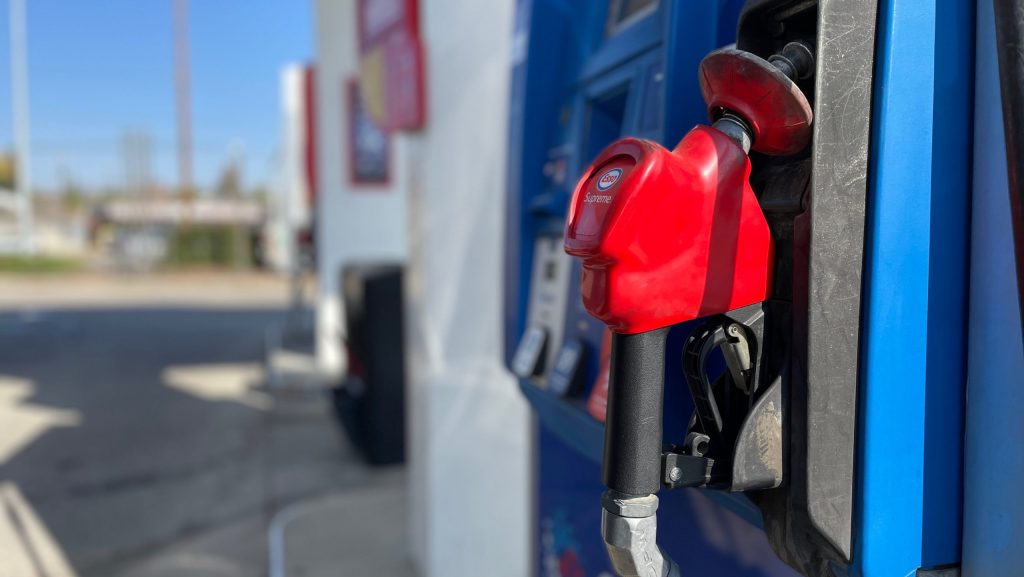
The price of fuel in Nova Scotia has experienced a notable increase as of midnight on Friday. According to the weekly adjustment by the Nova Scotia Energy Board, self-serve regular gasoline prices have risen by just over half a cent, bringing the new minimum price in Halifax to 133.0 cents per litre.
This increase reflects a trend in the province's fuel prices, impacting consumers directly. The new cost will likely affect motorists as they refuel their vehicles, contributing to the ongoing discussion regarding fluctuating fuel prices in the region.
In contrast to the minor adjustment in gasoline prices, diesel fuel prices have seen a more substantial rise. The provincial regulator has implemented an increase, raising the minimum price for diesel to 167.3 cents per litre. This marks a 7.2-cent increase, which could significantly impact those who rely on diesel for personal or commercial transportation.
It is essential to note the comparison of current prices to those from the previous year. On the same date twelve months ago, Nova Scotians were paying considerably more for both fuel types, with gasoline priced at 1.66 per litre and diesel at 1.97 per litre. This historical context illustrates the volatility in fuel pricing and its influence on the local economy.
The adjustments made by the Nova Scotia Energy Board are particularly relevant as they continue to monitor fuel price fluctuations and make necessary changes based on market conditions. The incremental changes in fuel prices are crucial for consumers, as they budget for essential travel and transportation needs.
This recent fuel price hike adds to the ongoing concerns regarding inflation and cost-of-living increases that many Nova Scotians are experiencing. As fuel prices remain a significant part of household budgets, consumers will be closely watching future adjustments and their implications for spending and transportation.
The Nova Scotia Energy Board's regulations serve to provide a framework for monitoring and adjusting prices to reflect global oil market trends, ensuring that prices align with fair market value while also considering the needs of consumers in the province.
In conclusion, the latest price adjustments for fuel in Nova Scotia underscore the region's ongoing struggle with fluctuating fuel costs. As the price of gasoline reaches 133.0 cents per litre and diesel climbs to 167.3 cents, the effects on daily life and budgeting for residents will be significant. The continued monitoring by the Nova Scotia Energy Board will be vital in addressing these challenges faced by consumers.








