

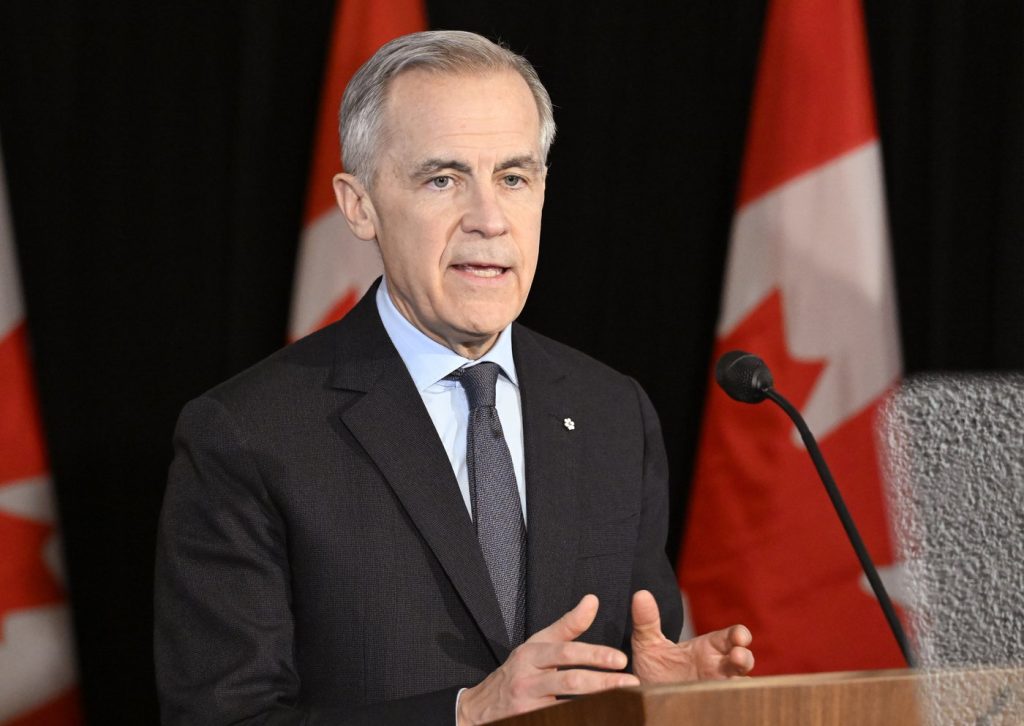
OTTAWA – Prime Minister Mark Carney has affirmed that Canada’s recent interactions with Beijing are "entirely consistent" with the country’s obligations under the trade agreement with the United States and Mexico, known as CUSMA (Canada-United States-Mexico Agreement). This statement was made during a press conference on January 25, 2026, amid growing concerns regarding trade relations with China.
Carney elaborated that CUSMA restricts Canada from engaging in free trade agreements with non-market economies—those economies that rely more on government intervention rather than market forces—without notifying its trade partners. He emphasized that Canada has "no intention of doing that with China or any other non-market economy," thereby reassuring stakeholders about the country's commitment to its trade obligations under CUSMA.
The current discussion surrounding trade with China has gained momentum following Canada’s recent decision to reduce its 100% tariff on Chinese-made electric vehicles to 6.1%. This tariff reduction comes with an annual cap of 49,000 vehicles, making it a significant step towards easing trade tensions. In response to this concession, China is anticipated to reciprocate by lowering many of its retaliatory tariffs on various Canadian agricultural products, including seafood products such as lobster and crab, as well as canola.
However, the trade dynamic between Canada and China comes with potential risks. U.S. President Donald Trump has issued stern warnings to Canada, threatening to impose a staggering 100% tariff on Canadian goods if the country goes forward with forging a trade deal with China. This warning illustrates the complexities of international trade relations and the pressures on Canada to navigate its commitments under CUSMA carefully.
The exchange of concessions between Canada and China reflects ongoing negotiations aimed at mitigating the economic impacts of tariffs imposed during previous disputes. As Canada seeks to promote its electric vehicle market and agricultural exports, it also faces the challenge of aligning these efforts with U.S. trade expectations and maintaining a stable relationship with its southern neighbor.
This nuanced situation underscores the delicate balance that Canada must maintain in its international trade strategies, especially in light of the evolving geopolitical landscape and the influence of larger economies. Moving forward, Carney's government will likely continue to engage in discussions surrounding trade policies while weighing the potential repercussions on its relations with both the United States and China.








