

On a recent Sunday, concerns erupted among certain Republicans regarding the immigration enforcement strategies employed by federal officials in Minnesota, particularly following the fatal shooting of a man in Minneapolis by a U.S. Border Patrol agent. The incident has ignited a heated debate over immigration policies and their implications for public safety and accountability.
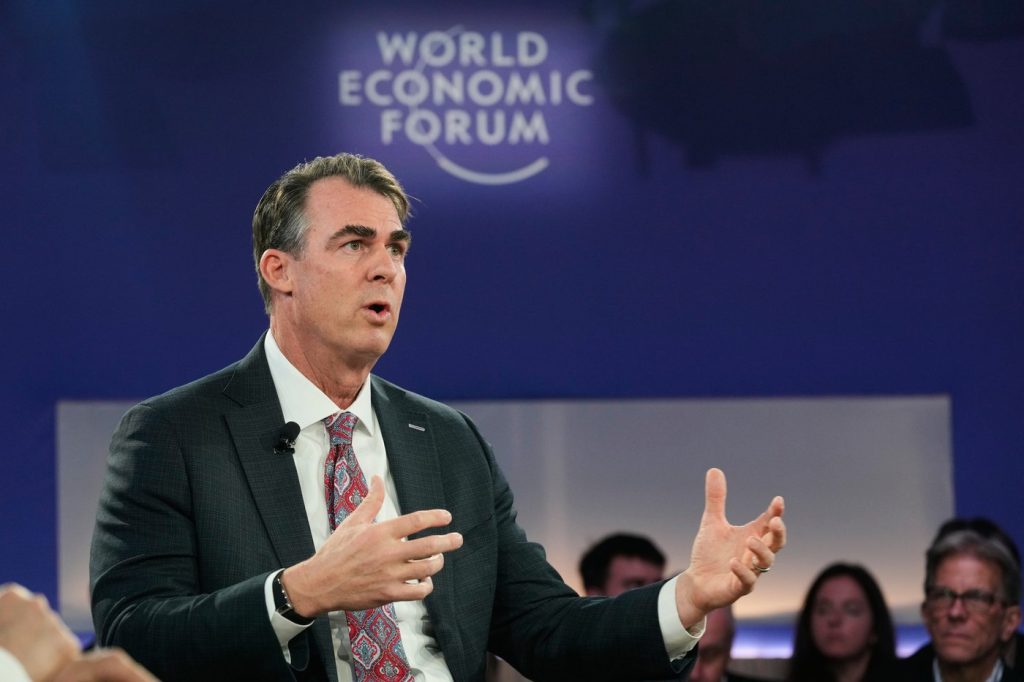
The individual who lost his life, Alex Pretti, was a 37-year-old intensive care unit nurse known for protesting against President Donald Trump's immigration crackdown. Pretti was a U.S. citizen, originally from Illinois. In light of this tragedy, Oklahoma Governor Kevin Stitt labeled the event as a "real tragedy" and expressed profound concern over federal tactics and accountability in response to immigration enforcement actions.
During an interview on CNN’s "State of the Union," Stitt articulated that the "death of Americans," as portrayed in media, has significantly raised concerns regarding federal immigration enforcement. He remarked, "Americans don’t like what they’re seeing right now," implying a need for more transparency and consideration of public sentiment on this pressing issue.
When asked about whether President Trump should consider withdrawing immigration agents from Minnesota, Stitt deferred the responsibility to the president, stating that Trump needs to provide clarity on the situation. He criticized the current advisement the president appears to be receiving, saying, "He’s getting bad advice right now." Stitt called for a solution to the ongoing crisis, urging a calming of tempers rather than further politicizing the situation.
Other Republican figures have also voiced their apprehension regarding the incident. Senators Thom Tillis of North Carolina and Bill Cassidy of Louisiana echoed Stitt's sentiments. Cassidy described the shooting as "incredibly disturbing" while emphasizing that the "credibility of ICE and DHS are at stake." Tillis, on the other hand, called for a "thorough and impartial investigation" into the shooting, warning against any administration officials who might rush to judgment without allowing a proper inquiry to take place.
Tillis noted that such hasty decisions could damage not only public trust but also "President Trump’s legacy." These Republican voices illustrate a growing unease among party members concerning the administration's immigration policies in light of public safety and accountability.
In contrast, administration officials remained resolute in their defense of the stricter immigration tactics being employed. Treasury Secretary Scott Bessent acknowledged the tragic nature of the shooting but attributed blame to Democratic leaders in Minnesota for allegedly fostering a chaotic environment. He claimed there are "a lot of paid agitators who are ginning things up" and criticized the governor for failing to effectively manage the public sentiment surrounding the issue.
This incident reflects the ongoing tensions within immigration policy discussions in the United States, highlighting divisions not only between political parties but also within them. As the debate continues, many are left questioning the balance between enforcement and respect for individual rights.








