

CAIRO (AP) - Palestinians are anxiously anticipating the reopening of the Rafah border crossing, which serves as Gaza's vital lifeline to the outside world not controlled by Israel prior to the recent conflict. The opening is expected to happen following Israel's announcement on a Monday that the remains of the last hostage in Gaza, Ran Gvili, had been recovered. Israel indicated it would allow limited access to the Rafah crossing once the search operation for Gvili concluded.
The Rafah crossing between Gaza and Egypt was previously administered by Egypt before the onset of the war. Its reopening is anticipated to mark the second phase of a U.S.-brokered ceasefire, even though many had called for its opening as part of the initial phase. The crossing’s future remains uncertain, with questions surrounding the extent of goods and people flow allowed both into and out of the war-torn territory.
Prime Minister Benjamin Netanyahu's office stated late Sunday that Israel had consented to a reopening for "pedestrian passage only," contingent on a comprehensive Israeli inspection process. In a Monday statement, Hamas urged Israel to open the Rafah crossing in both directions without restrictions. Ali Shaath, head of the new Palestinian committee overseeing Gaza's daily operations, voiced that the crossing would open this week, facilitating movement into and out of the enclave.
Reopening the Rafah crossing would significantly ease Gazans’ access to medical treatment, international travel, and family visits in Egypt, where tens of thousands of Palestinians reside. For Gaza's battered economy, it could also mean a resurgence of local goods like olive oil, popular in Egyptian and broader Arab markets. Abdel-Rahman Radwan, a Gaza City resident with a mother requiring urgent cancer treatment, expressed hope that lifting restrictions on the crossing would alleviate Israel's pretexts for closure.
Israeli authorities further declared that Palestinians wishing to depart Gaza would be subject to security clearances from both Israeli and Egyptian officials. Egypt, meanwhile, has called for an immediate opening of the crossing in both directions to allow Palestinians currently in Egypt to return to Gaza, while opposing the permanent resettlement of refugees on its soil.
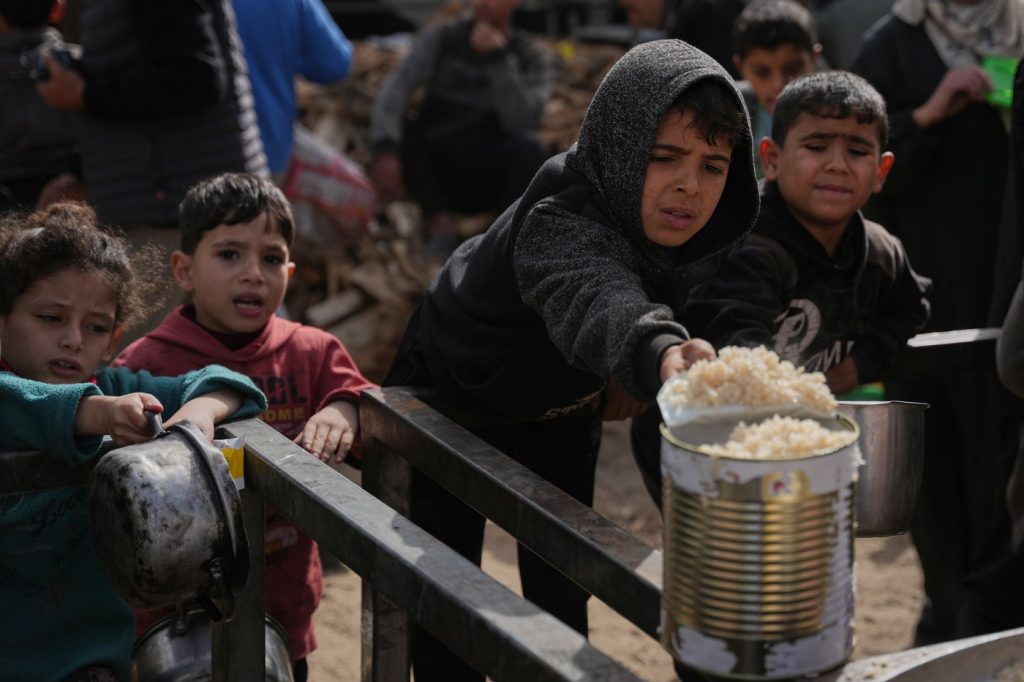
The humanitarian situation remains dire in Gaza. With much of it in ruins, the United Nations reported that over 2 million residents desperately require a substantial flow of fuel, food, medicine, and shelter. Although some aid has been permitted through the crossing, trucks have been queued outside for months awaiting entry clearance.
Before the war erupted on October 7, 2023, following Hamas-led militant attacks in southern Israel, the Rafah crossing was actively bustling with both goods and individuals. Despite Gaza's four additional border crossings, those lead only to Israel; Rafah provides the only direct border link to another country—Egypt.
As a result of escalating conflict, Egypt imposed tighter restrictions on the Rafah crossing immediately following the outbreak of war, and Israel subsequently took control of the Gaza side in May 2024, limiting access only to rare medical evacuations.
The infrastructure on the Gaza side of the Rafah crossing has faced significant damage due to ongoing conflict. Once reopened, Israel has committed to adhering to humanitarian terms from the prior ceasefire established in January 2025, which allows for a specific number of truckloads of aid to be transported into Gaza each day. Despite ongoing peace discussions, Hamas's future role in Gaza governance remains uncertain, as the current ceasefire arrangement stipulates that the group should not play a role in governing the territory following the hostilities.
The Rafah crossing is poised to play an essential role in Gaza's reconstruction once the war concludes. Recent statements from prominent U.S. officials, including Jared Kushner, have indicated that post-war redevelopment efforts would initially focus on creating workforce housing in Rafah, an area currently under Israeli military control. Nevertheless, Netanyahu reiterated in Israel's Knesset that the primary aim is to disarm Hamas and demilitarize the Gaza Strip, eschewing discussions of reconstruction for the immediate future.
As humanitarian aid slowly makes its way to Gaza, recent efforts included the Egyptian Red Crescent facilitating the entry of a significant convoy carrying over 7,060 tons of food and medical aid through the Egyptian side of the Rafah crossing, pending Israeli inspection before potentially reaching Gaza.








