

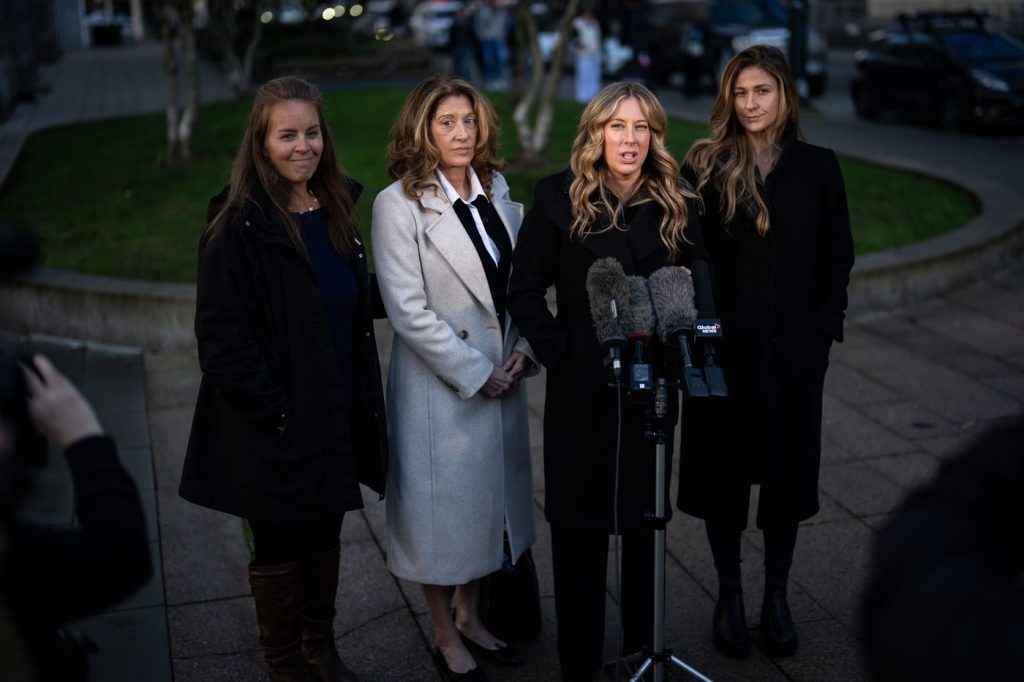
VANCOUVER — A hearing concerning the police-involved death of Miles Gray, which occurred in 2015, is facing uncertainty following the resignation of counsel representing the proceeding. The resignation of Brad Hickford, prompted by an incident involving an obscenity captured in the audio stream of last week’s session, has led to a temporary adjournment of the hearing.
The office of the police complaint commissioner had been conducting the hearing, which was intended to span over a period of ten weeks. However, the unexpected departure of Hickford has necessitated a pause in proceedings, allowing the lawyers representing police forces to deliberate on how to address the implications of his exit. Adjudicator Elizabeth Arnold-Bailey has expressed her desire for everyone involved to "get over it and get on with it," emphasizing the importance of continuity in the hearing process. She has indicated that rescheduling could extend the timeline significantly, potentially taking up to an additional 12 months.
Gray's family, who have been eagerly anticipating this hearing, have also voiced their hope for a smooth and uninterrupted process. The unfortunate circumstances have elicited concerns about further delays, adding to a lengthy and complex history surrounding the case. It has been more than a decade since Miles Gray was subjected to severe physical force by seven Vancouver police officers, a confrontation that ultimately resulted in his death. A coroner's investigation concluded that the manner of Gray's death was classified as a homicide, drawing significant public attention to police conduct and accountability.
The developments in the hearing are crucial not only for the Gray family, seeking justice and closure but also for the broader community that has been following the case closely. The implications of the proceedings extend beyond the individuals involved, touching upon issues of police transparency and the systemic challenges faced in addressing complaints against law enforcement practices.
This case, which initially sparked protests and calls for reform, continues to resonate, highlighting the ongoing struggle between community advocates and the police system. The stakes for ensuring appropriate legal representation and a fair hearing are palpable, as participants await clarity on how the proceedings will unfold in light of these latest events.
As the situation develops, all eyes will remain on the hearing, with stakeholders from various sectors keenly interested in its outcomes. The community's demand for accountability and justice remains at the forefront, and the conditions under which this hearing will proceed are of paramount importance as it seeks to address the complex legacy of Gray's untimely death.








