

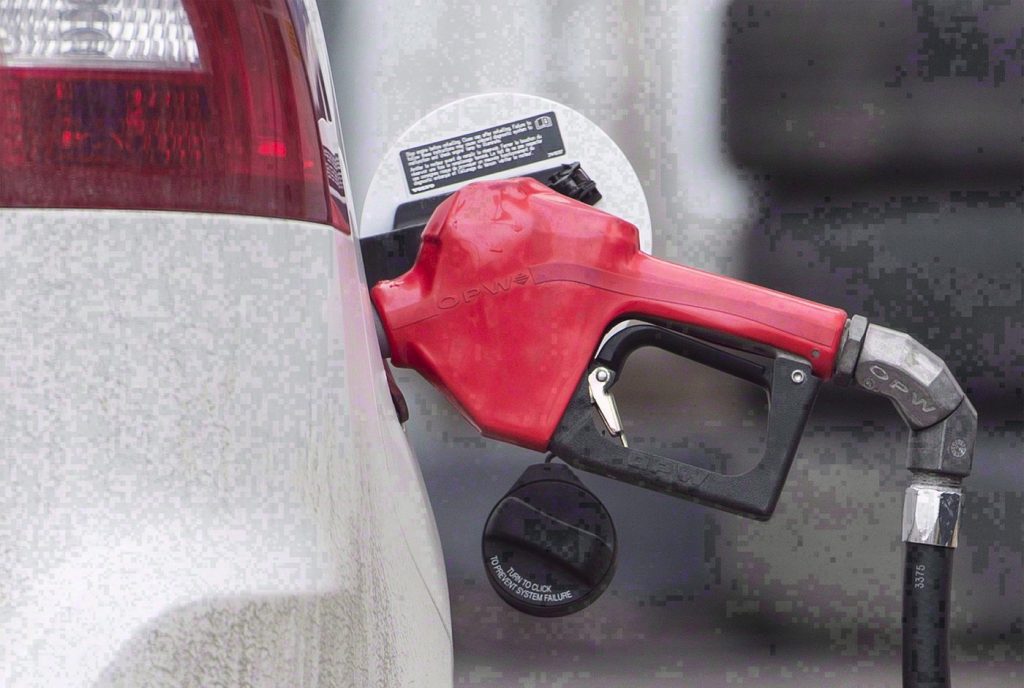
A significant midweek increase in diesel prices has been reported in Halifax, Nova Scotia. The Nova Scotia Energy Board activated the interrupter clause, leading to a notable rise in diesel costs. As of 12:01 a.m. on January 28, the price of diesel jumped by 6.7 cents, bringing the total price to 174.0 cents per liter.
This adjustment specifically affects diesel, as the interrupter clause did not lead to a change in gasoline prices. Consequently, the cost of regular self-serve gasoline remains steady at 133.0 cents per liter. This differentiation in price adjustments highlights how the provincial regulator manages the variances in fuel pricing to maintain market stability.
The Nova Scotia Energy Board explained that the increase in diesel prices was necessitated by significant fluctuations in the market price of diesel oil. Such market shifts necessitate careful monitoring and prompt action to ensure that the prices reflect current market conditions.
The benchmark price for diesel oil is derived from an average of daily market prices for refined diesel oil traded on the New York Mercantile Exchange (NYMEX). This system of benchmark pricing is crucial as it forms the basis for determining fuel costs in Canada. By converting these prices into Canadian dollars, the board can establish fair and appropriate pricing for consumers in Nova Scotia.
This recent rise in diesel prices could impact various sectors that rely heavily on diesel fuel, including transportation and agriculture, potentially leading to increased costs for goods and services. As diesel fuel serves as a critical component in many logistical and operational activities, fluctuations in its pricing can create ripple effects across the economy.
The Nova Scotia Energy Board continues to monitor the situation and is prepared to intervene as needed to ensure consumers are not overly burdened by rapid price changes. The board's strategic use of the interrupter clause underscores its commitment to balancing the needs of consumers with the realities of the global energy market.
In summary, the diesel price increase in Halifax reflects broader market trends impacting fuel pricing in Nova Scotia. With diesel now priced significantly higher while gasoline remains unaffected, the implications of such changes are likely to be felt by businesses and consumers alike.








